
9th Grade Science Fair Newsletter for Families: Full Guide
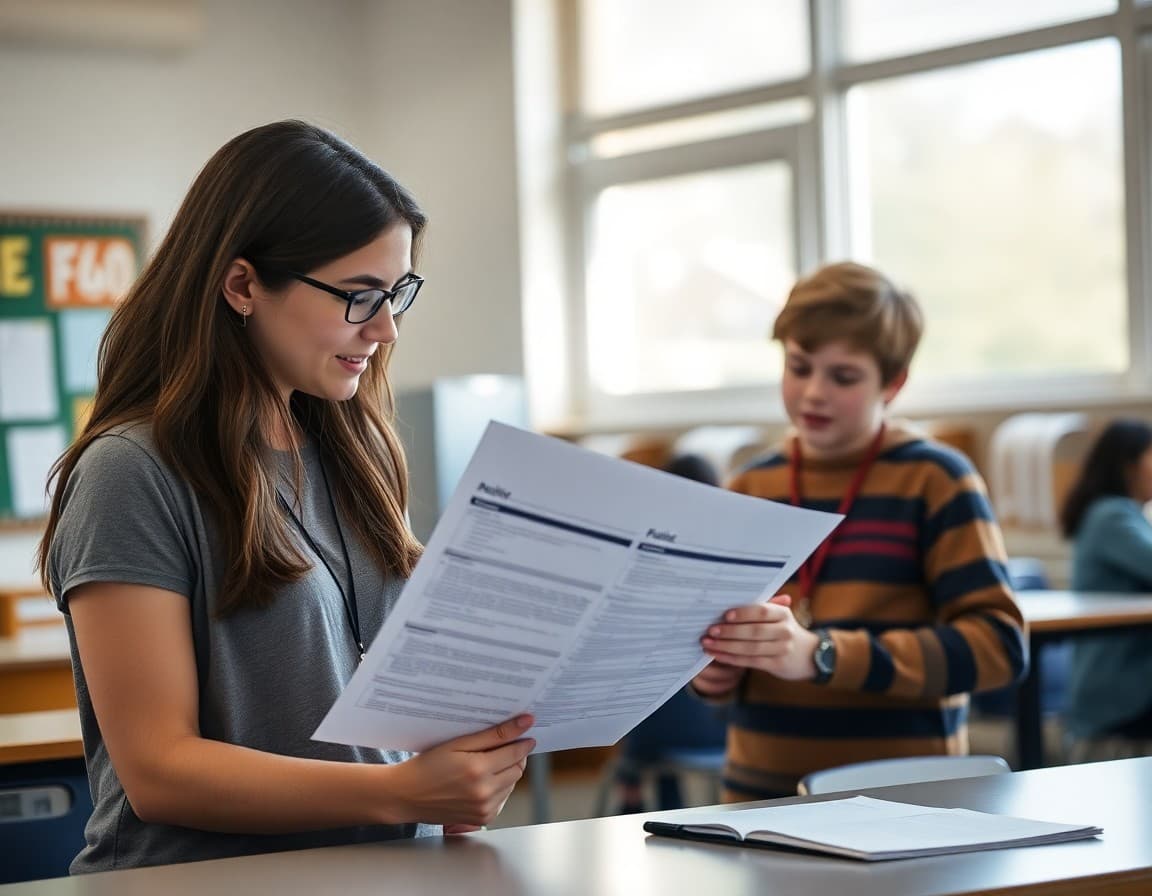
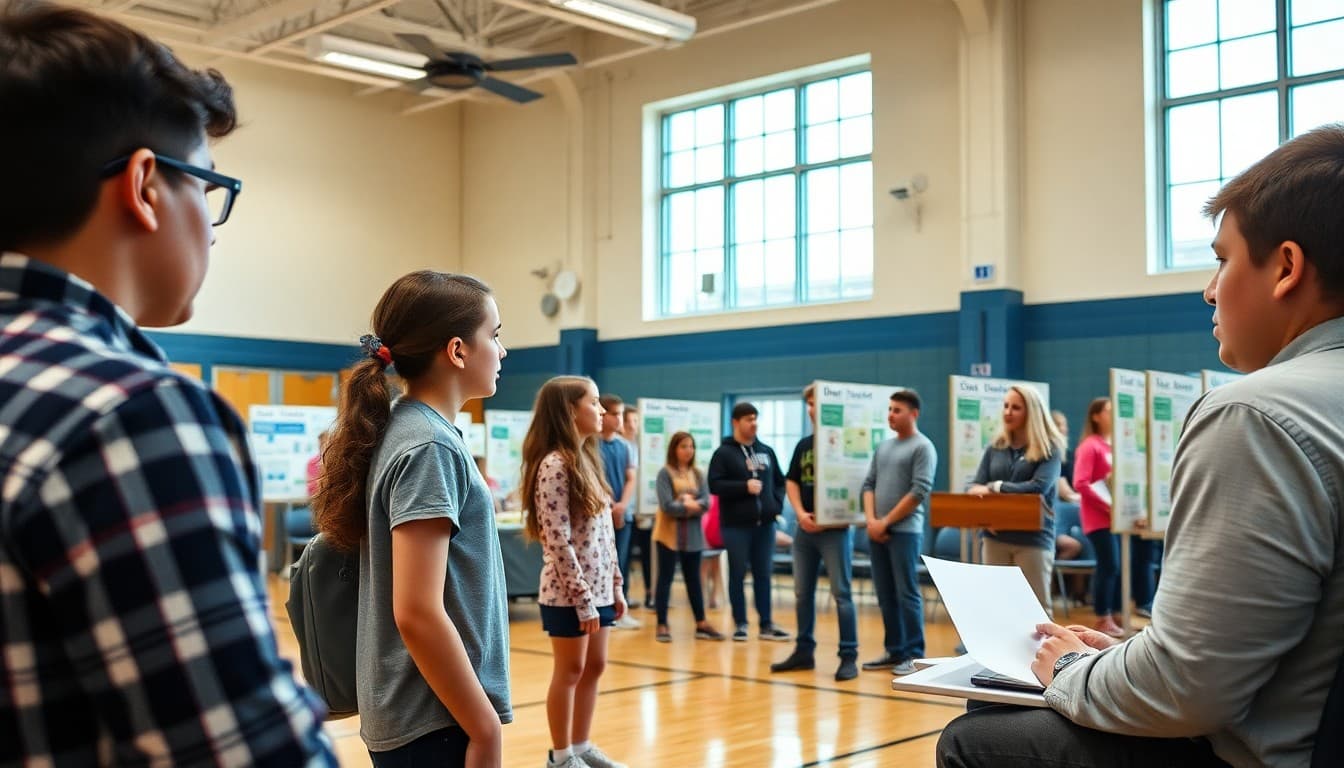
Every year, the 9th grade science fair produces some genuinely impressive work. It also produces a wave of panicked emails from parents who did not realize the fair was three weeks away and their student has not started. A well-timed science fair newsletter is the simplest fix. This guide covers what to put in it, when to send it, and how to frame it so families actually help instead of hovering.
Start Six Weeks Out
The first newsletter should go home no later than six weeks before fair day. At this point, students need to choose a topic and get teacher approval. Parents need to understand that this is a multi-week process, not a weekend project. A short note with a one-page calendar attached sets the right expectation from day one. If you wait until three weeks out, you are already managing a crisis.
Spell Out the Required Components
Ninth graders often have not completed a full scientific-method project before. Parents have not either, or they did it 25 years ago. Your newsletter should list exactly what the final submission includes: a typed research question, a clear hypothesis, a materials list, a step-by-step procedure, raw data tables, a graph or chart, and a written conclusion. Families who can see the full checklist are more likely to catch gaps before the night before.
Include a Student-Facing Milestone Calendar
Give families a calendar they can tape to the fridge. A realistic 9th grade science fair timeline looks like this:
Week 1: topic selected and approved. Week 2: background research complete. Week 3-4: experiment running and data recorded. Week 5: analysis and conclusion written. Week 6: display board assembled and practice presentation done. When students can see each step laid out, the project feels manageable rather than overwhelming.
Explain What Judges Are Looking For
Most 9th grade science fair rubrics weight three areas: scientific process, communication, and creativity or originality. Families who know this will push students to document their process carefully, not just produce a polished board. Mention that a mediocre result from a well-designed experiment scores higher than a perfect result from a poorly documented one. This single piece of context changes how families coach their students at home.
Set Clear Boundaries on Parent Involvement
This is the section families most need and teachers most often skip. Be direct. Buying materials: fine. Asking questions: encouraged. Running the experiment, writing the conclusion, or building the display board: not acceptable and obvious to judges. A sentence like 'Your student should be able to explain every decision on their board in their own words' gives parents a clear test to apply at home.
Sample Newsletter Section You Can Adapt
Here is a paragraph you can drop into your next newsletter:
"Science fair projects are due on [DATE]. Each project must include a hypothesis, a description of the procedure, a data table with at least three trials, a graph, and a written conclusion. Display boards must fit within a 36-by-48-inch space. Judges will score on scientific method (40 points), data presentation (30 points), and oral explanation (30 points). Please make sure your student can explain their project without notes during the fair."
Address Common Questions Before They Become Emails
Include a short FAQ in your newsletter. Can students work in pairs? What happens if an experiment fails? Is there a list of approved vs. prohibited materials? Where can students get display boards? Every question you answer in the newsletter is one less email you answer at 9 p.m. the week before fair day.
Send a Final Reminder One Week Out
A second newsletter seven days before the fair should include the check-in schedule, fair-day logistics (where to set up, when doors open, what time judging starts, when families can view), and a reminder of what to bring. Daystage makes this easy because you can attach the rubric, link to the fair schedule, and include photos from previous years all in one send.
Get one newsletter idea every week.
Free. For teachers. No spam.
Frequently asked questions
When should I send the first science fair newsletter to 9th grade families?
Send the first newsletter 6-8 weeks before the fair. This gives students enough time to pick a topic, get approval, run their experiment, and prepare their display. A second reminder 3 weeks out with the rubric attached keeps families from being caught off guard by deadlines.
What should a 9th grade science fair newsletter include?
Cover the project deadline, the required components (hypothesis, materials, procedure, data, conclusion), the display board size limit, and judging criteria. Include a timeline families can post at home. Attach or link the rubric so parents understand how their student will be evaluated.
How do I explain the scientific method in a newsletter parents will actually read?
Keep it to one short table or numbered list. Name the six steps (question, research, hypothesis, experiment, data analysis, conclusion) and give one sentence per step showing what their student should produce. Most 9th grade parents have not heard this language since middle school, so plain English matters more than precision here.
How can families help without doing the project for their student?
Frame the parent role as logistics support: buying materials, driving to the library, asking their student to explain the hypothesis out loud, and reminding them of upcoming checkpoints. Suggest that parents ask questions instead of offering answers. A simple 'what do you think will happen if you change the variable?' builds critical thinking without taking over.
What tool makes it easy to send science fair newsletters with attachments and deadlines?
Daystage lets you build a newsletter that includes the rubric as a downloadable attachment, a countdown to fair day, and a photo gallery from last year's event. Teachers send once and families get everything in one place, so nobody misses a deadline.

Adi Ackerman
Author
Adi Ackerman is a former classroom teacher and curriculum writer with 8 years in K-8 schools. She writes about school communication, parent engagement, and what actually works in real classrooms.
More for High School
9th Grade Curriculum Overview Newsletter: What to Tell Parents at the Start of the Year
High School · 7 min read
Ninth Grade Science Newsletter: Communicating Biology and Earth Science to Families
High School · 7 min read
9th Grade State Testing Newsletter: Preparing Freshman Families for Test Season
High School · 7 min read
Ready to send your first newsletter?
3 newsletters free. No credit card. First one ready in under 5 minutes.
Get started free