

9th Grade Progress Report Newsletter: Mid-Quarter Update for Families
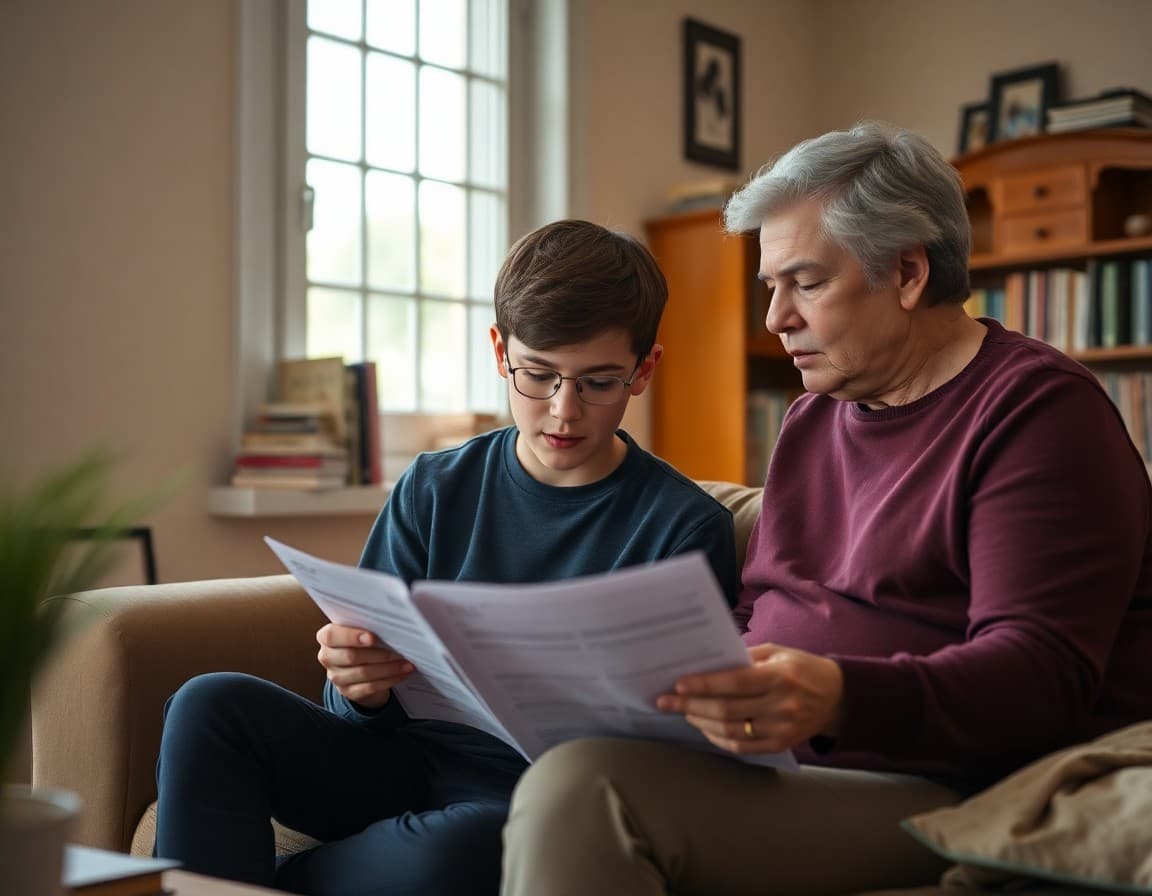
Progress reports at mid-quarter are most useful when families understand what they are looking at and what to do about it. A 9th grade progress report newsletter sent alongside the report itself turns a number on a screen into an action plan. Without that context, many families either ignore a C thinking it is fine, or panic about a B without knowing what drove it.
Explain What a Progress Report Is and Is Not
Start with the basics. A progress report is a mid-course snapshot, not a final grade. Most families know this intellectually but still treat a low progress report grade as evidence of failure. Your first paragraph should reframe it: this is the time to act. The quarter is not over. A student with a 68 at mid-quarter can finish with an 85 if they address the missing work and perform well on upcoming assessments.
Tell Families How to Access the Report
Does your school use a gradebook portal? Paper progress reports sent home? An email from the registrar? If your school uses a portal like PowerSchool, Infinite Campus, or Schoology, include the login URL and a reminder of how to navigate it. If families log in twice a year and forget where to find the details, they cannot use the information.
Break Down What Each Grade Reflects
In 9th grade, a D or F on a progress report often comes from missing assignments, not poor performance on tests. Your newsletter should tell families how to read the assignment breakdown in the gradebook. If your grade is weighted (tests at 60 percent, homework at 20 percent, participation at 20 percent), say so. Families who know that three missing homework assignments are dragging the grade to a D will focus on a different problem than families who assume their student failed every test.
List Specific Recovery Options
What can a student actually do between now and the end of the quarter? Name the options: submit missing work (and your late policy), attend tutoring (days, times, location), schedule a teacher conference (office hours), take a retake if your policy allows. A list of five concrete options is far more useful than 'please contact me if you have concerns.'
Address the Gradebook Portal Directly
Many 9th grade families check the gradebook portal inconsistently or not at all. A progress report newsletter is a good time to encourage regular gradebook monitoring. Suggest families check in once a week, not just at progress report and report card time. A student whose grade drops by 10 points after a test result is easier to support with two weeks of the quarter left than with two days.
Sample Newsletter Section for Progress Reports
Here is copy you can adapt:
"Progress reports for Q2 are now available in PowerSchool. This is a mid-quarter update, not your student's final grade. If your student has a D or F, please check the missing assignments section first. Most low grades at this point are driven by incomplete work, not test performance. Missing work can be submitted through [DATE] for partial credit. I hold office hours Tuesday and Thursday from 3:00-4:00 p.m. and am available by email at [EMAIL]."
Acknowledge the Transition from Middle School
Many 9th graders are experiencing their first significant grade drop in high school. The workload is heavier, the organizational demands are higher, and the grading is less forgiving than middle school. Your newsletter can normalize this while still calling families to action. A sentence like '9th grade is a big adjustment for most students, and a rough start does not define the year' goes a long way with families who are worried their student is already failing.
Send a Follow-Up Before the Quarter Ends
A second newsletter two weeks before the quarter closes, with a final missing-work deadline and a reminder of the remaining assessments, helps families and students who needed a second push. The families most likely to act on a follow-up are the ones who saw the progress report, intended to do something, and then got distracted.
Get one newsletter idea every week.
Free. For teachers. No spam.
Frequently asked questions
What should a 9th grade progress report newsletter include?
The newsletter should explain when progress reports go out, how to access them (gradebook portal, paper, email), what grades are included, and what missing assignments show up. Include a brief action guide for families whose student has a D or F, and remind parents of office hours and tutoring options available before the quarter ends.
How do I write a progress report newsletter that does not cause panic?
Lead with the purpose of the progress report: it is a mid-course correction tool, not a final grade. Emphasize that families have time to act. Then be direct about what a low grade means and what specific steps can change it. Vague reassurance like 'there is still time' without action steps does not help anyone.
When is the right time to send a progress report newsletter?
Send it the same day progress reports are issued or one day before. Families who receive the newsletter at the same time as the grade report have context to respond without confusion. If you wait a week, families have already formed opinions about the grades without your framing.
How can families help 9th graders who have low grades at mid-quarter?
Tell families to schedule a conversation with their student that is specific, not general. 'Which assignments are missing?' and 'can you submit them late?' and 'when is the next test?' are useful questions. 'Why are your grades so bad?' is not. Give families the specific missing work or skill gap if possible so they can address the actual problem.
Is there a newsletter tool that makes it easy to send mid-quarter progress updates to 9th grade families?
Daystage is built for exactly this. You can include direct links to the gradebook portal, attach a how-to guide for reading the progress report, and schedule a follow-up reminder in two weeks. Families get one complete newsletter instead of a raw grade report with no explanation.

Adi Ackerman
Author
Adi Ackerman is a former classroom teacher and curriculum writer with 8 years in K-8 schools. She writes about school communication, parent engagement, and what actually works in real classrooms.
More for High School
9th Grade Report Card Newsletter: What to Tell Parents When Freshman Grades Come Out
High School · 7 min read
Ninth Grade Parent Teacher Conference Newsletter: Preparing Freshman Families for High School Conferences
High School · 7 min read
9th Grade Homework Policy Newsletter: Setting Clear Expectations for Freshman Parents
High School · 7 min read
Ready to send your first newsletter?
3 newsletters free. No credit card. First one ready in under 5 minutes.
Get started free