

Montana High School Parent Communication Guide for Teachers
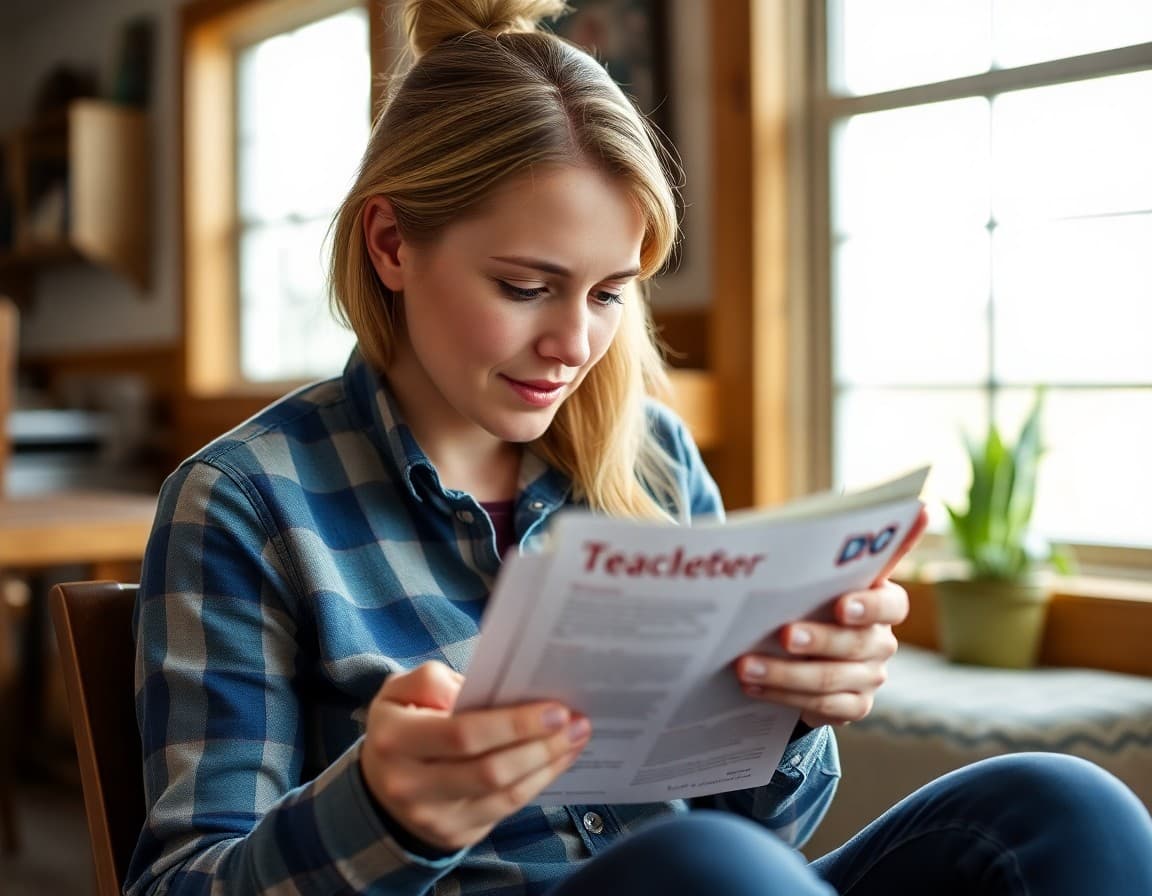
Montana's high school teachers work in some of the most geographically isolated and culturally distinct communities in the country. Small schools where the teacher knows every student's family. Tribal communities with specific relationships to education and institution. Rural ranching and farming communities where the academic calendar sometimes competes with the agricultural calendar. Communication that works in Montana has to be built for Montana, not adapted from a suburban district newsletter template.
Acknowledge Montana's Small-School Context
In a school where the entire graduating class has 20 students, parent communication takes on a different character than in a large suburban district. Teachers often know families well, and informal communication fills some of the gap that newsletters fill in larger schools. But even in small Montana schools, consistent professional newsletters add value by creating a clear record of what was communicated, providing information about state-level programs that may not come up in informal conversation, and maintaining a professional boundary that serves both teachers and families well.
Address Indian Education for All Proactively
Montana's Indian Education for All program is one of the most distinctive features of Montana's public education system. When your curriculum incorporates IEFA content, tell parents about it. Explain which tribal nations are being studied, what primary sources are used, and why the content matters to Montana's history and contemporary life. For families of American Indian students, seeing IEFA content in the newsletter is an affirmation that the school values their heritage. For all families, understanding the constitutional basis for IEFA and the richness of Montana's tribal cultures helps them support their student's engagement with this material.
Communicate Dual Enrollment and Montana University System Options
Montana has dual enrollment partnerships with Montana State University, the University of Montana, and Montana's tribal colleges. For students in small rural schools where the course offerings are limited, dual enrollment through online or hybrid delivery can expand access to advanced coursework. Tell parents about dual enrollment options in your newsletter during course selection season. Explain how credits transfer within the Montana University System and what the application process looks like. For Montana families where college feels geographically distant, dual enrollment can provide an accessible first step.
Build Communication Around the Montana Academic Calendar
Montana schools, particularly in agricultural communities, sometimes have calendar variations tied to local industries and seasonal patterns. If your school has a non-standard calendar or if significant numbers of your students are absent during planting or harvest seasons, acknowledge that in your communication. Tell families what the plan is for makeup work during peak agricultural periods and how you handle the transition back into the full academic schedule. Parents who feel their family's economic reality is acknowledged rather than ignored are more likely to maintain engagement with the school.
Keep Newsletters Concise and Mobile-Friendly
Montana families in rural areas often rely on mobile data rather than home broadband. Keep your newsletters short, avoid large images, and ensure the format works on a phone screen. A newsletter that loads quickly and reads clearly on a phone with a weak signal in a rural area reaches every family. A complex, image-heavy newsletter that requires a good internet connection reaches only the families who already have the advantage of reliable connectivity.
A Sample Montana High School Newsletter Opening
Here is what a locally grounded opening looks like:
"Welcome to 11th grade Social Studies. This semester we will study Montana's role in the New Deal and World War II, including the contributions of Montana's American Indian communities and the Nisei soldiers from Montana. We will also study contemporary Montana tribal governance and economic development. The unit research project is due March 5. Family members who are willing to share personal family history from this period are welcome to contact me."
Connect to Montana's Specific Place
Montana's geography, wildlife, land management debates, agricultural economy, and tribal heritage offer teachers rich material for locally grounded content. Teachers who use Montana examples engage students and families who recognize the places and issues being discussed. A science teacher connecting to the Greater Yellowstone Ecosystem, a history teacher covering the Homestead Era, and an economics teacher discussing the cattle and wheat industries are all teaching in context that Montana families own.
Send Consistently With Daystage
Montana's small schools and rural communities benefit from consistent, professional communication that creates a clear record of what is happening in the classroom. Daystage gives Montana teachers a fast way to write and send newsletters to every family at once. You add your content, your key dates, and your local context, and deliver in one click. For teachers in communities where the school is one of the central institutions of public life, that consistency matters.
Get one newsletter idea every week.
Free. For teachers. No spam.
Frequently asked questions
What is unique about parent communication in Montana high schools?
Montana has one of the largest land areas and smallest state populations in the country, and a significant portion of its high school students attend small rural schools, sometimes with fewer than 50 students per grade. Many Montana communities also include American Indian students whose families have a specific relationship to Indian Education for All, Montana's constitutionally required program for incorporating Indigenous history and culture into all public school curricula. Communication strategies must account for both rural logistics and cultural responsiveness.
What are Montana's graduation requirements teachers should communicate?
Montana requires students to complete specific credit units set by the Montana Board of Public Education, including English, math, science, social studies, health enhancement, and electives. Individual districts often add requirements beyond the state minimum. Montana does not have a statewide graduation exam, but districts may have local assessment requirements. Teachers should communicate which courses satisfy requirements, what the timeline looks like, and what dual enrollment options exist.
How do Montana teachers reach families in rural and tribal communities?
Montana's rural families often have variable internet access, and tribal communities may have additional communication preferences tied to community governance and cultural protocols. Phone communication remains essential in rural Montana. Teachers who acknowledge the community context in their newsletters, who provide information about school events with enough lead time for families who may need to travel, and who communicate in plain, respectful language build better relationships than teachers who send generic digital documents.
How should Montana teachers communicate about Indian Education for All?
Montana's Indian Education for All (IEFA) is a constitutional mandate requiring all public school curricula to include the history, culture, and contemporary contributions of Montana's American Indian tribes. When your course incorporates IEFA content, tell parents about it specifically. Explain what tribes are being studied, what primary sources are used, and how the content connects to the broader curriculum. Families of American Indian students appreciate seeing their heritage treated as core curriculum rather than supplemental material.
What tool helps Montana high school teachers send newsletters to distributed families?
Daystage is a teacher-focused newsletter platform that works well for small Montana schools. You write your content, add your key dates, and send to all families at once. For Montana teachers in schools where many families live significant distances from campus, a reliable digital communication channel is especially valuable.

Adi Ackerman
Author
Adi Ackerman is a former classroom teacher and curriculum writer with 8 years in K-8 schools. She writes about school communication, parent engagement, and what actually works in real classrooms.
More for High School
Ready to send your first newsletter?
3 newsletters free. No credit card. First one ready in under 5 minutes.
Get started free