

Idaho High School Parent Communication Guide for Teachers
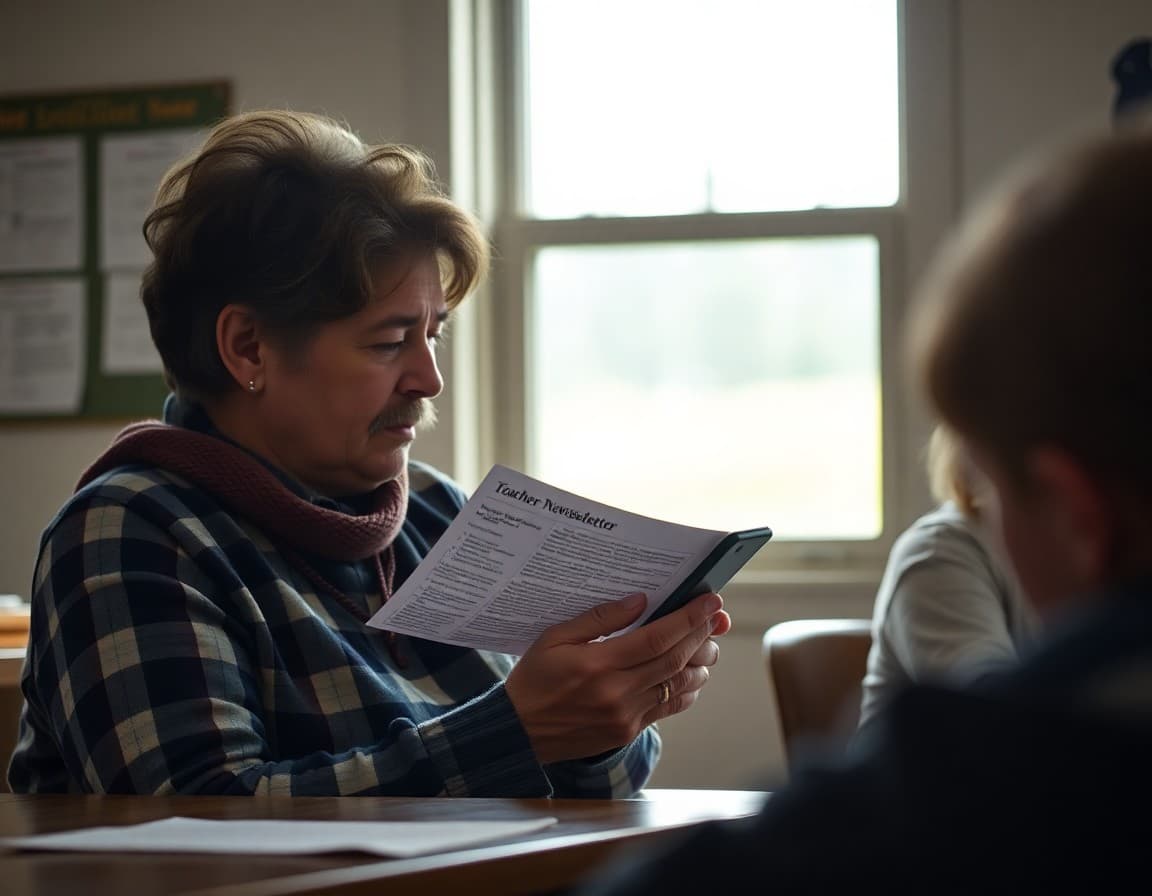
Idaho is a state where the gap between what students are entitled to and what families know about is often significant. The Advanced Opportunities program, which gives every Idaho high school student $4,125 to use toward college credits, AP exams, and certifications, is a genuine financial opportunity that many families never take advantage of because they did not know it existed. Your newsletter is how you close that gap.
Explain Idaho's Advanced Opportunities Program Every Year
Advanced Opportunities is an Idaho state program that provides $4,125 in funding per student that can be used for dual credit courses, AP exams, and industry certifications during high school. The funding does not roll over to college; students must use it before graduation. Many Idaho families, particularly in rural areas and first-generation college households, do not know this program exists until a counselor mentions it in 11th grade. Put Advanced Opportunities in your first newsletter of 9th grade. Explain what it covers, how to use it, and how to apply. Then mention it again every year.
Communicate the Individual Career and Academic Plan Requirement
Idaho requires every high school student to complete an Individual Career and Academic Plan (ICAP) as part of their graduation pathway. The ICAP involves career exploration, course planning, and reflection on post-graduation goals. Many parents are unfamiliar with this requirement and are not sure what role they play in supporting it. Explain the ICAP in your newsletter, tell parents when their student's ICAP activities will happen, and invite them to review the plan with their student at home.
Build Around Idaho's Rural School Context
A large portion of Idaho's high school students attend smaller rural schools, often in agricultural communities, mountain towns, or areas near the Idaho-Oregon or Idaho-Washington border. These communities have specific characteristics that shape how communication works. Families may be busy with seasonal agricultural work in late summer and fall. Cell service may be unreliable. The school office may be the most reliable information hub in the community. When you design your newsletter, design it for the actual community you serve, not a generic high school parent population.
Connect Curriculum to Idaho's Economy and Environment
Idaho's economy is shaped by agriculture, technology (particularly in the Boise metro), outdoor recreation, and natural resource industries. When your course connects to these sectors, mention it in your newsletter. An economics teacher discussing Idaho's potato industry and commodity pricing is connecting theory to something every Idaho family understands. A science teacher covering watershed ecology and salmon populations is tying the curriculum to something that shapes policy in Idaho every year. These connections make the content feel locally owned rather than imported from a textbook written somewhere else.
Address College Planning for First-Generation Families
Idaho has a relatively low four-year college attendance rate compared to the national average. Many Idaho families are navigating the college process without family experience to draw on. Your newsletter can fill that gap by providing specific, actionable information: when the FAFSA opens, what Idaho scholarships require, how dual enrollment credits transfer to Boise State, Idaho State, and the University of Idaho, and what CTE certifications lead directly to well-paying careers. First-generation families who receive this information early make different and better decisions than families who receive it late.
A Sample Idaho High School Newsletter Section
Here is what an Advanced Opportunities-aware section looks like:
"Reminder for Idaho families: every Idaho high school student has $4,125 in Advanced Opportunities funding available for dual credit courses, AP exams, and industry certifications. This funding expires at graduation and cannot be applied to college tuition. If your student is interested in earning college credit or a certification before graduation, stop by the counseling office or contact me. Unused funding is lost."
Keep Newsletters Short and Mobile-Friendly
Idaho families in rural areas are more likely to read your newsletter on a phone with limited data than on a desktop computer at home. Keep your newsletters concise. Use short paragraphs, bullet points for dates, and clear headings. A newsletter that loads fast and is easy to read on a small screen reaches more families than a beautifully designed PDF that takes thirty seconds to open on a slow connection.
Send Reliably With Daystage
The Advanced Opportunities program, the ICAP requirement, and Idaho's assessment calendar all have specific timelines. Families who receive consistent communication about those timelines make better decisions. Daystage gives Idaho teachers a fast and reliable way to send that communication to every family at once. You write your content, add your dates, and deliver to all parents in one click. That consistency is what makes the difference between communication that informs and communication that just exists.
Get one newsletter idea every week.
Free. For teachers. No spam.
Frequently asked questions
What should Idaho high school teachers prioritize in parent communication?
Idaho's Advanced Opportunities program, which provides $4,125 in funding for every Idaho high school student to use toward dual credit, AP exams, or industry certifications, is one of the most underutilized benefits in the state. Many Idaho families do not know it exists. A teacher who explains Advanced Opportunities in a newsletter in 9th grade gives families the information they need to use the funding before it expires at graduation.
What graduation requirements do Idaho high school parents need to know?
Idaho requires students to earn credits in core and elective subjects, demonstrate proficiency on Idaho assessments, and complete a graduation standard that includes an individual career and academic plan (ICAP). Teachers should communicate which courses contribute to graduation requirements, when ICAP planning happens, and what CTE or dual enrollment options their school offers as part of the graduation pathway.
How do Idaho teachers reach rural and remote families?
Idaho has a significant rural population, and broadband access varies widely across the state. Teachers in rural Idaho should plan for families who rely on mobile data, spotty internet connections, or who check email infrequently. Short, mobile-friendly newsletters work better than long, image-heavy documents. Phone calls remain essential for hard-to-reach families, and teachers who combine digital newsletters with occasional phone check-ins reach more of their parent community.
How should Idaho teachers communicate about the SAT and Idaho assessment?
Idaho administers the ISAT (Idaho Standards Achievement Test) and has shifted toward the SAT for 11th grade college and career readiness assessment. Teachers should communicate test dates early, explain what the assessments cover, and point families toward free preparation resources. For families in rural communities with limited access to test prep services, the teacher's newsletter is often the primary source of assessment guidance.
What platform do Idaho high school teachers use for parent newsletters?
Daystage is a teacher-friendly newsletter tool that works well for Idaho schools of all sizes. You write your content, organize it into sections, and send to all families at once. It is fast, works on any device, and is reliable, which are the minimum requirements for a communication tool in a state where getting information to rural families consistently is already a challenge.

Adi Ackerman
Author
Adi Ackerman is a former classroom teacher and curriculum writer with 8 years in K-8 schools. She writes about school communication, parent engagement, and what actually works in real classrooms.
More for High School
Ready to send your first newsletter?
3 newsletters free. No credit card. First one ready in under 5 minutes.
Get started free