
High School Student Government Newsletter: Communicating SGA Activities and Leadership Opportunities

Student government is where the civics lessons students read about in class actually happen. Students who serve in SGA learn to run a meeting, manage a budget, represent a constituency, navigate disagreement, and advocate for something that is not just for themselves. Your newsletter communicates this value to families who might otherwise see SGA as a resume builder rather than a genuine education.
The Skills That SGA Actually Develops
Your newsletter should name the specific skills students develop through student government involvement. Not vague "leadership" but specific capacities: facilitating a meeting with a formal agenda, managing a school event budget, writing a proposal and presenting it to administration, listening to student concerns and translating them into actionable requests, and working with people whose priorities differ from your own.
These skills are directly transferable to college, work, and community life. Families who understand this are far more likely to encourage their student to get involved rather than treating SGA as an extracurricular distraction.
Election Season Communication
SGA election season is one of the most visible moments in your school community and deserves its own communication sequence. Before elections begin, share the positions available, the election timeline, any campaigning guidelines, and how students can run. During the campaign period, share information about the candidates and the issues they are running on. After elections, announce the results and welcome the new officers.
This three-part communication treats the election as a real civic event rather than an administrative process, which is exactly the signal you want to send to students who are learning what elections are supposed to do.
Current SGA Initiatives
Families who know what the SGA is currently working on are more interested in the program and more supportive of student government involvement. A brief update in each newsletter, such as "the SGA is currently working on a proposal to extend the lunch period by ten minutes and will present it to administration next month," makes the organization's work visible and real.
When an SGA initiative is successful, communicate the outcome explicitly. Students who see that their government's work actually changes things develop a fundamentally different understanding of civic participation than those who see it as purely symbolic.
Who Can Participate and How
SGA participation should be genuinely accessible to all students, not just the ones who already know they want to run for office. Your newsletter should describe both elected positions and appointed or volunteer opportunities so students who are not ready to run for election can still be involved. Class representatives, event committees, and working groups on specific projects are all forms of meaningful SGA involvement.
SGA and College Applications
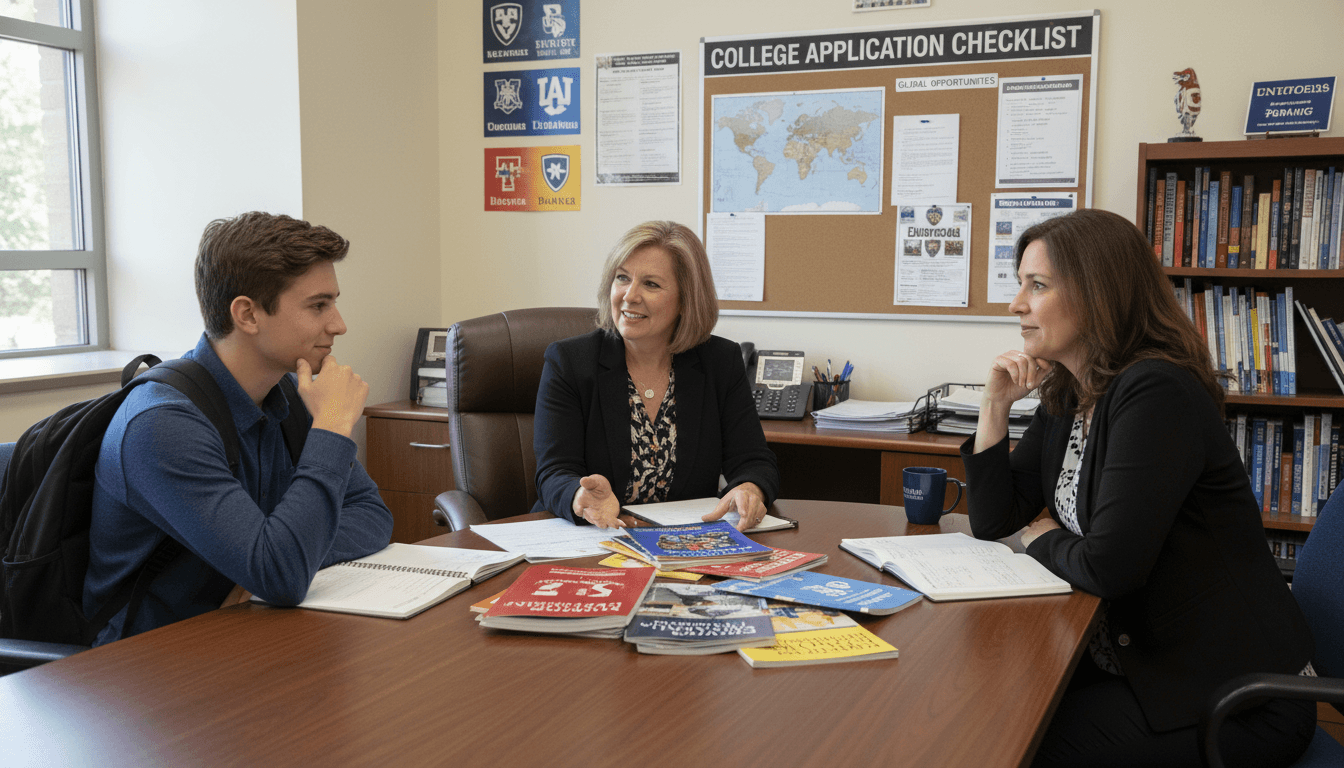
Student government involvement is genuinely valuable in college applications, not just as an activity listing but as a source of specific leadership experiences students can write about authentically. Your newsletter can mention this connection, not to make SGA feel entirely instrumental, but to help families understand why it is worth encouraging their student to take the commitment seriously.
Get one newsletter idea every week.
Free. For teachers. No spam.
Frequently asked questions
What should a student government newsletter communicate to families?
Upcoming elections and how students can get involved, current SGA initiatives and projects, major events the SGA is organizing, how SGA connects to civics and leadership development, and what the application or election process looks like for students interested in running for office. Families who understand the program support student involvement much more actively.
How should a high school communicate about SGA elections to the broader community?
Send a pre-election newsletter that explains the positions available, the election process, the campaigning rules, and how students can vote. This communication should go to all families, not just those whose student is running. Election participation is part of civics education and the entire community benefits from knowing how the process works.
What leadership skills does student government develop and how should schools communicate about them?
SGA develops public speaking, consensus-building, project management, budget management, and the experience of representing others' interests rather than just your own. Families who understand these skills are more likely to encourage their student to run for office rather than treating SGA as a resume line rather than a genuine developmental opportunity.
How do you communicate about student government in a way that encourages diverse participation?
Frame SGA explicitly as a place for students with many different kinds of leadership styles, not just the most extroverted or popular students. Profiles of the kinds of leadership the SGA does, including behind-the-scenes organizing, community service coordination, and event management, show students who do not see themselves as traditional student leaders that there is a place for them.
How does Daystage help SGA advisors communicate with families about student government activities?
Daystage makes it easy for SGA advisors to send regular updates about upcoming events, initiatives, and leadership opportunities to the school community. Schools that communicate consistently about their student government program build broader student participation and stronger community engagement with school governance.

Adi Ackerman
Author
Adi Ackerman is a former classroom teacher and curriculum writer with 8 years in K-8 schools. She writes about school communication, parent engagement, and what actually works in real classrooms.
More for High School
Ready to send your first newsletter?
3 newsletters free. No credit card. First one ready in under 5 minutes.
Get started free