

High School Sports Booster Newsletter: Keeping the Athletic Community Informed
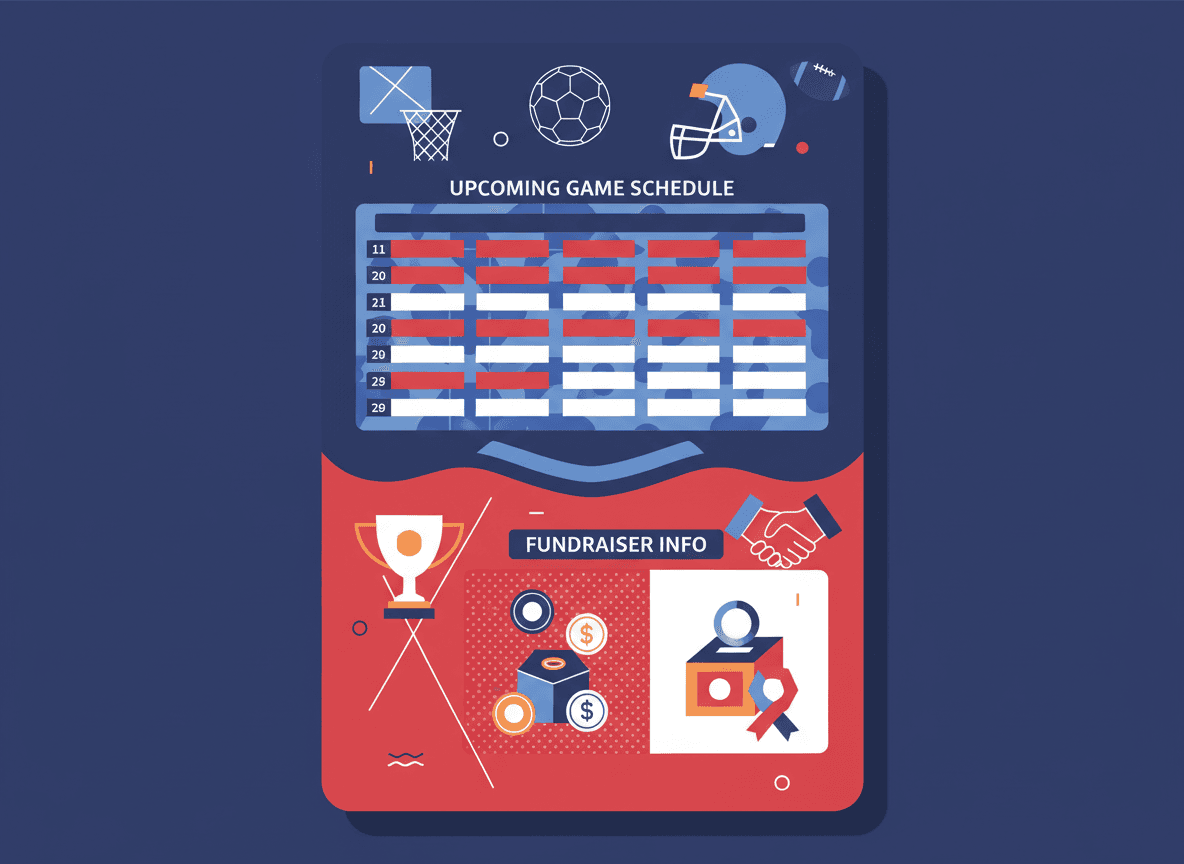
A high school sports booster club newsletter does two things that most other school communications do not. It reaches a community that is passionate and engaged, and it competes for attention with the noise of social media, game-day texts, and team apps. Getting it right means building something families actually look forward to receiving.
This guide covers what to include, how often to send it, and how to make it a tool that strengthens the athletic community rather than adding to the communication clutter.
Who reads the booster newsletter and why
Your booster newsletter audience is self-selected. These are families who are already engaged with high school athletics. They come to games. They donate to the booster fund. They volunteer for concessions. The newsletter is not trying to build engagement from scratch. It is feeding an existing appetite.
That changes how you write it. You can be more specific, more community-focused, and more celebratory than a general school newsletter. The audience knows the context. They know the coach's name. They know the team's record. Your job is to give them the updates, stories, and information they want.
What to include in a booster newsletter
The booster newsletter has a different content mix than a principal's newsletter or a classroom update. The most effective booster newsletters include:
- Game schedule and results. This is the core content. Upcoming game dates, times, and locations. Recent scores and brief game summaries. This is what families are looking for, and it should be easy to find at the top of the newsletter. Include a link to the full schedule on the athletic department website.
- Athlete spotlights. One student athlete highlighted per newsletter, with a brief profile: sport, grade, what they are proud of this season, what they are looking forward to after high school. This requires parental consent, but most families are happy to have their student recognized. Rotate across sports and grades rather than repeatedly featuring the same top performers.
- Volunteer and fundraising opportunities. What do you need from the community this month? Concession volunteers for the home game on Friday, donations for the end-of-year banquet, help setting up the awards ceremony. Be specific and make it easy to sign up. Include a direct link or a contact email in the newsletter itself.
- Coach or athletic director notes. A brief message from the athletic director about the program, a coach's note about the current season, or a message about academic eligibility requirements for athletes. This builds a sense of the people behind the program and gives the newsletter an authoritative voice.
- Upcoming events beyond games. Awards banquets, parent meetings, fundraiser events, spirit wear sales, senior night, and other athletic community events. These often get lost in the general school communication. The booster newsletter is the right place to give them attention.
How often to send the booster newsletter
Timing depends on the sports season. During active sports seasons (fall, winter, spring), a biweekly newsletter keeps the community current without flooding inboxes. In the off-season, a monthly newsletter is sufficient to maintain awareness of booster activities, planning, and upcoming season preparations.
Do not try to send a newsletter that covers all sports simultaneously unless your booster club actually supports all sports with equal attention. Many booster clubs focus on one or two high-engagement sports. If that is your situation, be clear about what sports the newsletter covers and whether other sports are supported separately.
If your school has separate booster clubs for different sports, coordinate to avoid newsletters from four different clubs landing in inboxes on the same day. A shared calendar for booster communications reduces inbox fatigue and keeps families from unsubscribing.
Navigating fundraising communication
Booster newsletters often include fundraising asks, and this is where many newsletters lose their audience. Families who feel like every newsletter is primarily an ask eventually stop reading.
The rule is simple: the fundraising ask should be one section of a newsletter that contains other genuinely interesting content. If the only reason you are sending a newsletter is to announce a fundraiser, wait until you have a game update or athlete spotlight to pair it with.
When you do make a fundraising ask, be specific and transparent. "We are raising $5,000 for new uniforms. We have raised $2,200 so far. Here is how you can help." Specificity builds trust and makes the ask feel real. "Support the team!" without context does not motivate.
Athlete recognition without creating in-group dynamics
Athletic programs can be cliquey. Families of less prominent athletes sometimes feel their child is invisible to the booster community. Your newsletter is an opportunity to counteract this.
Rotate athlete spotlights across all sports and across starting and non-starting athletes. Recognize effort and commitment, not just performance. A student who attends every practice and shows up for the team even when injured is a story worth telling. A student who improved their personal record by 30 seconds over the season is worth recognizing.
Team-wide accomplishments, like achieving a winning record, receiving a sportsmanship award, or completing a community service project as a team, are worth celebrating in the newsletter. These recognitions build collective identity rather than focusing attention on the athletes who are already getting the most attention.
Building a subscriber list that actually reaches people
A booster newsletter is only as effective as its subscriber list. Make sure you have email addresses for families of all athletes, not just the parents who are already most engaged with booster activities.
Collect email addresses during sports registration. Include a newsletter opt-in as part of the registration process. Add the option for other interested community members, alumni parents, and community supporters to subscribe.
Review your subscriber list annually and remove addresses that have been bouncing. An accurate, engaged subscriber list is more valuable than a large list with poor deliverability.
How Daystage supports booster newsletters
Daystage makes it easy for a booster club volunteer to produce a professional-looking newsletter without a design background. Set up the school's colors and name once. Use the block editor to build the standard sections: game schedule, athlete spotlight, upcoming events, volunteer opportunities. Update the content for each issue in the same structure.
The subscriber management in Daystage allows you to maintain a booster-specific list separate from the general school newsletter list. Analytics show open rates and click rates so you can see what content drives the most engagement from your community.
The booster newsletter builds more than attendance
A well-run booster newsletter does something beyond communicating schedules. It builds the sense of community that makes high school athletics feel like more than just games. Families who are connected through consistent, well-done communication show up. They donate. They stay engaged through the years when their athlete is on JV rather than varsity.
Write it like you love this community. That comes through.
Get one newsletter idea every week.
Free. For teachers. No spam.
Frequently asked questions
When should high school sports booster clubs send newsletters to families?
Send one issue at the start of each sport's season covering the schedule, how to get involved, and any fundraising priorities for the year. A mid-season update with results, volunteer opportunities, and upcoming events sustains engagement. Off-season sends focused on tryout dates and the following year's schedule keep the subscriber base warm.
What should a high school sports booster newsletter include?
Game and meet schedule for the current season, athlete recognition highlights, volunteer opportunities for parent participation, fundraiser details and how proceeds are used, and practical logistics like how to purchase tickets or access live stream links for away games. Senior athlete recognition belongs in the final issue of their sport's last season.
How should high school booster clubs handle fundraising communication?
Be specific about what fundraising pays for: equipment, travel, uniforms, or facility improvements. Families of high school athletes are more willing to contribute when they understand exactly where the money goes and can see the result. Vague fundraising asks generate less participation and more skepticism.
What are common challenges with high school sports booster newsletter communication?
Booster newsletters often reach only the parents of currently active athletes rather than the broader school community, which limits both fundraising potential and event attendance. Building a subscriber list that includes alumni families, staff, and community members with historical ties to the program expands the audience significantly.
How can Daystage support high school booster club newsletter production?
Daystage gives booster clubs a professional newsletter format and scheduling tools so the volunteer parent running communications can produce a consistent, readable send each month without needing design or technical skills.

Adi Ackerman
Author
Adi Ackerman is a former classroom teacher and curriculum writer with 8 years in K-8 schools. She writes about school communication, parent engagement, and what actually works in real classrooms.
More for High School
High School New Student Newsletter: Orientation and Welcome Communication
High School · 6 min read
High School Student Government Newsletter: Communicating SGA Activities and Leadership Opportunities
High School · 5 min read
High School AP Course Newsletter: How to Communicate Expectations to Families
High School · 6 min read
Ready to send your first newsletter?
3 newsletters free. No credit card. First one ready in under 5 minutes.
Get started free