
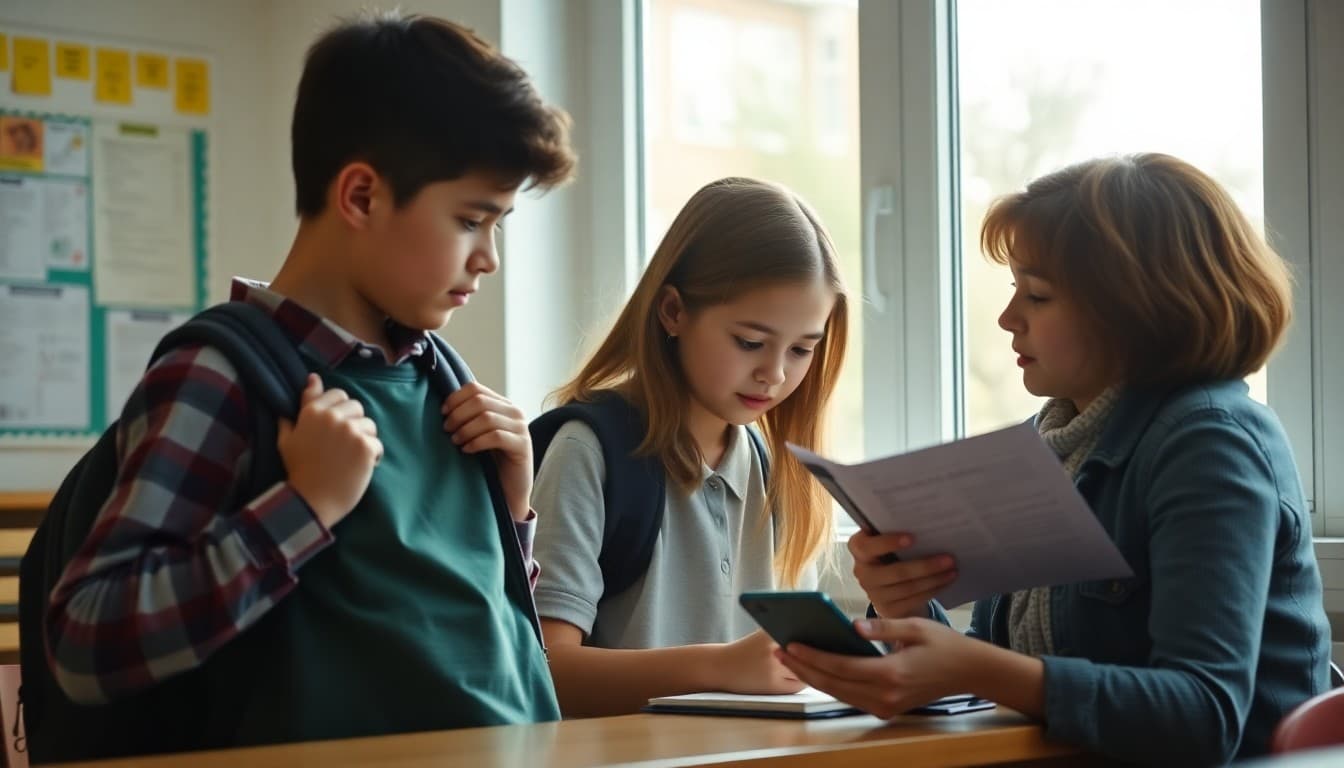
High School Parent Morning Routine Newsletter Guide
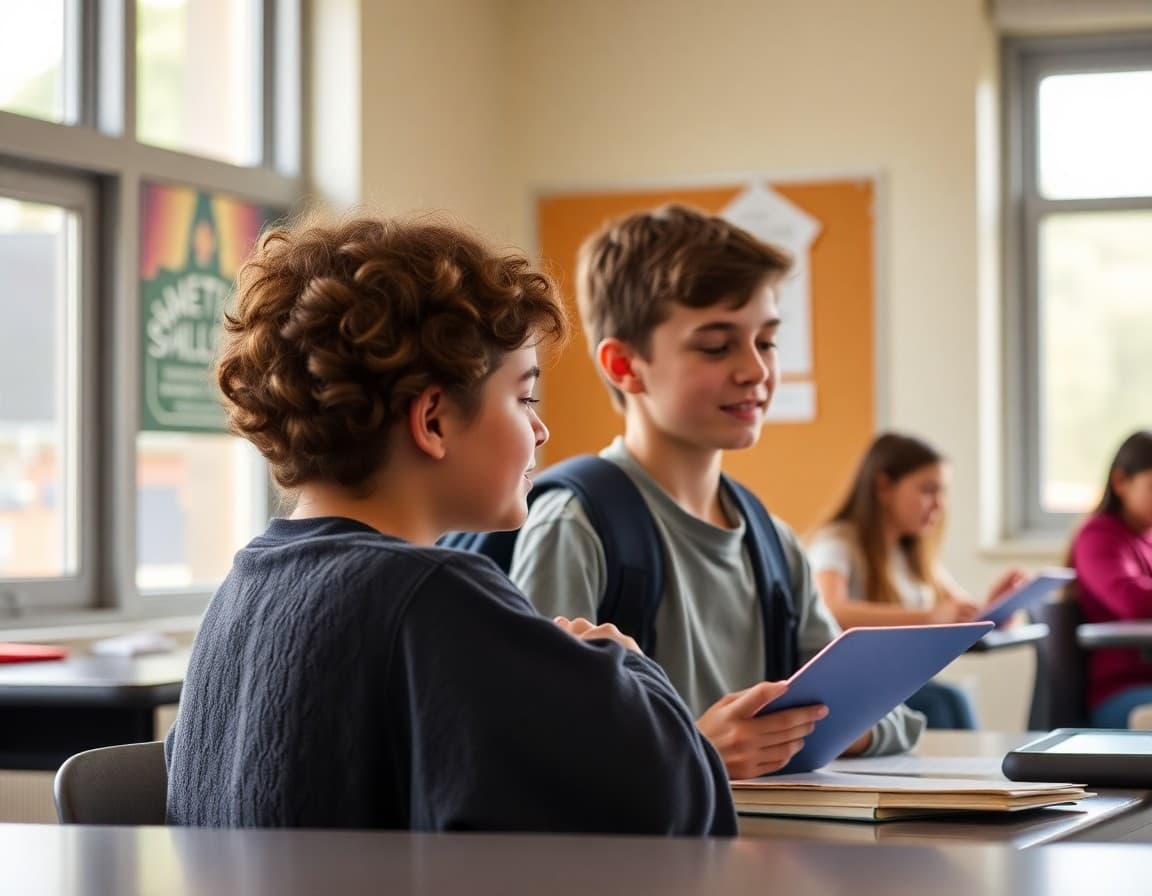
What Students Need Before First Period
High school teachers see the difference between students who arrived with a working routine and those who did not. Students who ate breakfast, slept adequately, and had their materials ready engage in first period immediately. Students who rushed out the door with no food and a forgotten assignment sit in a fog for the first twenty minutes. A newsletter that names this dynamic helps parents connect household morning habits to classroom outcomes.
The Night-Before Prep That Makes Mornings Work
The most effective morning routines start the evening before. Backpack packed and by the door. Clothes laid out. Lunch made or money counted. The next day's schedule reviewed. Students who handle these tasks at night avoid the last-minute scramble that derails mornings and creates stress that carries into class. Share this framework with parents as a practical alternative to fighting about mornings.
Breakfast and Academic Performance
Research consistently shows that students who eat breakfast perform better on memory tasks, concentration tests, and standardized assessments. High school students often skip breakfast because they are not hungry in the morning after eating late the night before, or because they are running too late. Both causes are addressable with consistent evening routines and earlier bedtimes. A brief note about this connection in your newsletter is worth including.
Screen Use During the Morning Routine
Phones during the morning rush are almost always counterproductive. Checking social media or watching videos slows the transition to school mode and often makes students late. Suggest to parents that phone use before leaving the house waits until the student is in the car or at the bus stop, not during the breakfast and preparation window. Small boundaries around device use at specific times tend to work better than general limits.
Consistent Wake Times and Sleep Debt
Students who sleep until noon on weekends and wake at 6 AM on Monday carry what researchers call social jet lag into the school week. The body clock shifts over the weekend and takes most of Monday to readjust. Keeping weekend wake times within an hour of school-day wake times prevents this weekly performance dip. This is one of the most actionable pieces of advice you can share with parents.
When Mornings Are a Battle
Some families have chronic morning conflict with their high school student. This often signals a sleep issue (the student is not getting enough sleep and genuinely cannot wake up easily), a school-related stress (they are avoiding a class, a social situation, or an assignment), or an executive function challenge that makes transitions harder. Invite parents to reach out if mornings are consistently difficult rather than treating it as a discipline problem.
Building a Communication Calendar Around Routines
A morning routine newsletter is most useful at the start of the school year and after winter break when schedules reset. You do not need to repeat it monthly. But including a brief note about arriving prepared whenever you notice class-wide patterns of lateness or distraction makes the message timely rather than generic.
Get one newsletter idea every week.
Free. For teachers. No spam.
Frequently asked questions
What makes a good morning routine for high school students?
A good high school morning routine includes consistent wake-up time, a real breakfast, backpack check the night before so mornings are not frantic, and enough buffer time to arrive at school before the bell without rushing. Students who arrive calm and fed are more focused in first period than those who rushed out the door with no food and half their homework missing.
How can teachers help parents improve their student's morning routine?
A teacher newsletter can explain what arriving prepared looks like from the classroom perspective: what students need physically (food, sleep, materials) and mentally (a few minutes to transition from home to school mode). Teachers who communicate about morning readiness show parents that the school cares about the whole student, not just test scores.
What should high school students do the night before school?
The most effective morning routines actually start the night before: packing the backpack, reviewing the next day's schedule, laying out clothes, and getting to bed at a consistent time. Students who handle these tasks the night before have calmer mornings with fewer panic moments at the door.
How does a poor morning routine affect classroom performance?
Students who arrive late, hungry, or stressed take fifteen to twenty minutes to settle into learning, which compounds into significant lost instruction time over a semester. First-period teachers notice this pattern most acutely. A newsletter that names this connection helps parents see their household morning habits as directly connected to academic outcomes.
What tool helps high school teachers send practical parent newsletters?
Daystage is built for school communication. High school teachers use it to send formatted newsletters with practical tips, links to resources, and class updates directly to parent email lists without needing extra tools or design work.

Adi Ackerman
Author
Adi Ackerman is a former classroom teacher and curriculum writer with 8 years in K-8 schools. She writes about school communication, parent engagement, and what actually works in real classrooms.
More for High School
Ready to send your first newsletter?
3 newsletters free. No credit card. First one ready in under 5 minutes.
Get started free