
Financial Literacy: How Parents Can Help at Home High School Guide
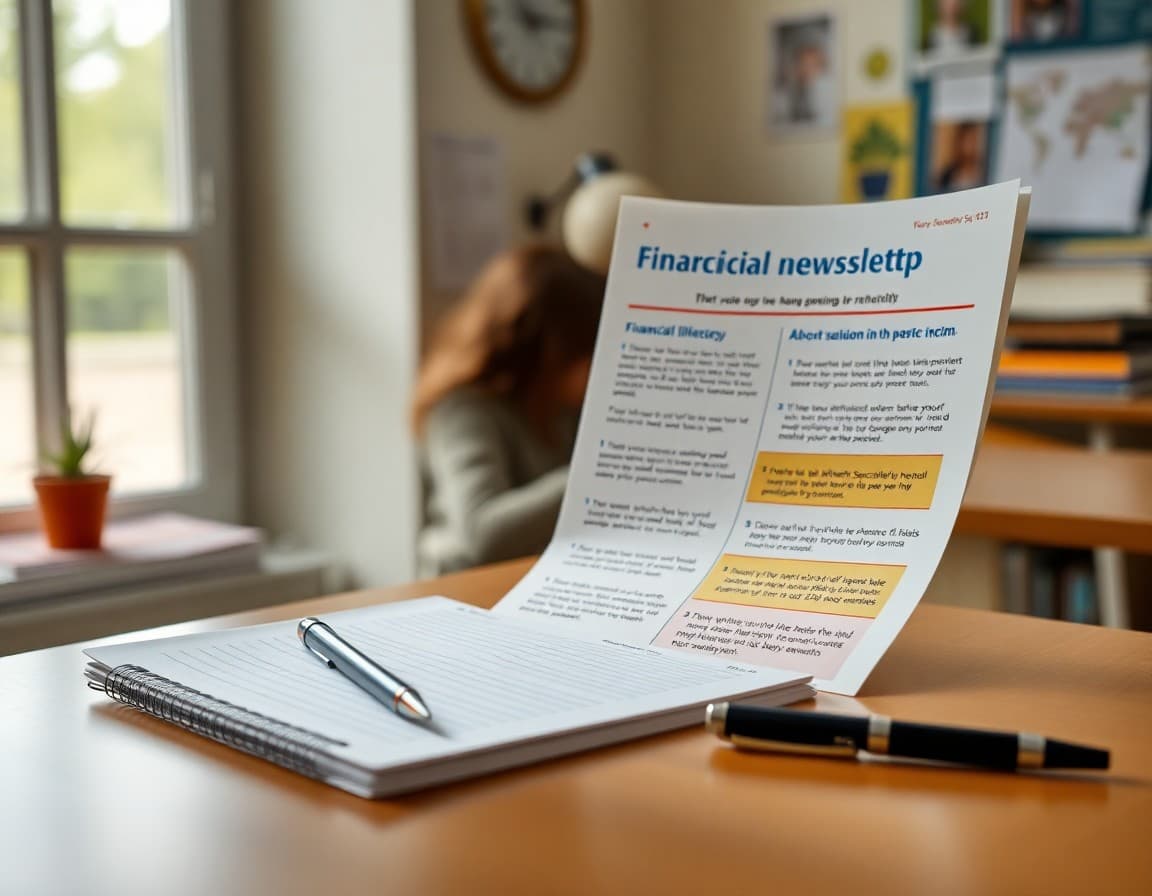
High school financial literacy teachers are in a unique position. The subject connects directly to decisions parents make every day, which means parents have more relevant knowledge to share than in almost any other course. The challenge is that most parents don't know how to translate that knowledge into useful support for their student's learning. A well-written newsletter bridges that gap.
The Parent Advantage in Financial Literacy
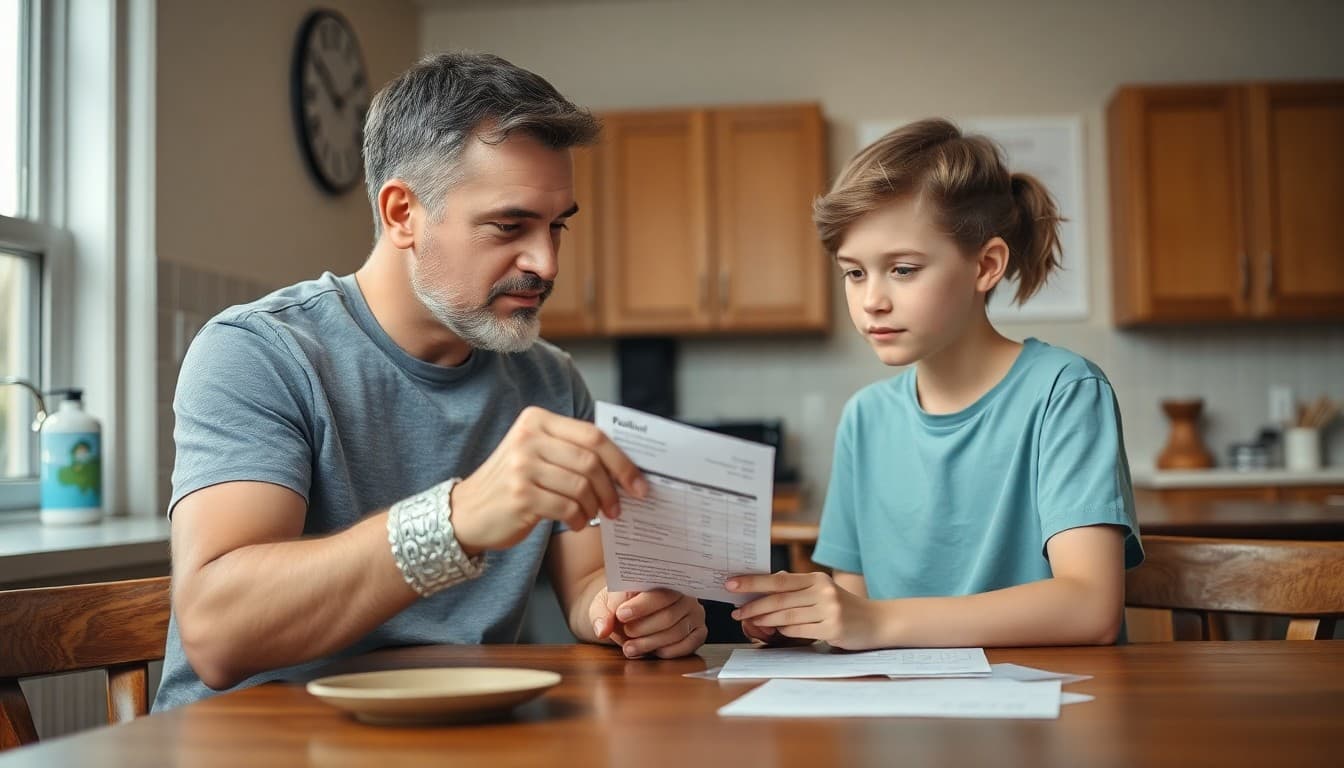
No subject benefits more from parent involvement than financial literacy. A parent who lets their 11th grader look at a real pay stub is teaching more in five minutes than a textbook example can convey. A parent who explains what happened when they carried a credit card balance at 24% APR is giving their student a lesson that will stick for decades.
Your newsletter's job is to activate that resource. Most parents don't spontaneously connect their financial experiences to their student's coursework. A specific prompt changes that.
What to Include in a Parent Support Newsletter
Structure the newsletter around three things: the current unit topic, why it connects to the parent's own experience, and two to three specific activities or conversations they can have at home. Keep the tone warm and practical. Parents at the high school level respond better to "here's something you can do" than "here's something you should know."
Avoid framing the newsletter as a request for parents to re-teach the content. The goal is reinforcement and real-world connection, not a second classroom experience at the kitchen table.
Template Excerpt: Credit and Debt Unit
"This week we're working through our Credit and Debt unit. Students are learning how credit scores are calculated, what APR means in practice, and how carrying a balance on a credit card actually costs you money over time.
You can reinforce this at home with any of these: (1) Show your student a credit card statement and ask them to find the APR, the minimum payment, and the current balance. Ask them to calculate how much interest would accrue if only the minimum payment was made next month. (2) If you've made a financial decision you're proud of (paid off debt, built an emergency fund, avoided a high-interest loan), share it. Real stories are more memorable than hypotheticals. (3) Ask your student: 'If you had a $2,000 credit card balance at 20% APR and paid $50 a month, how long would it take to pay it off?' See if they can estimate before looking it up."
Connecting to Real Documents Students Will Encounter
High school students are approaching the age where they'll start dealing with real financial documents: pay stubs, bank statements, loan applications, tax forms. Your newsletter can encourage parents to use documents from their own lives as teaching tools, with appropriate privacy filtering.
A pay stub with the name and specific amounts covered is still useful for explaining gross vs. net income, deductions, and withholding. A utility bill teaches fixed costs and how to read a monthly statement. These documents make the coursework concrete in a way that printed worksheets never fully achieve.
Sharing Experience Without Oversharing
Some parents worry about sharing financial information that might worry their student or reveal more than they're comfortable with. The newsletter can address this directly: "You don't need to share specific numbers. The goal is to use your experience as context, not as a detailed disclosure. 'I once carried a credit card balance at 22% APR and learned why that's a bad idea' is a complete and useful lesson without any personal detail."
That kind of framing removes the hesitation and replaces it with an actionable way to participate.
Making It Relevant to Students' Immediate Future
High school students engage more with financial literacy when they see the timeline. A junior is 12 to 18 months from potentially having a full-time summer job, a first credit card, or a student loan application. Name that timeline in the newsletter: "The credit concepts we're covering this month are the same ones your student will need to understand before getting their first credit card at 18. This is one of the most directly applicable things they'll learn all year."
When parents understand the relevance, they're more likely to create the at-home conversations that make the learning stick.
A Note on First Jobs
Many high school students work part-time. For those students, the connection between classroom concepts and real life is already there. Your newsletter can encourage parents to involve those students in real paycheck analysis: reviewing the pay stub together, calculating the effective tax rate, and discussing what portion of the income should go to savings vs. spending.
For students who don't yet work, this creates a preview of what they'll face soon. Either way, the activity is valuable and takes less than 10 minutes.
Get one newsletter idea every week.
Free. For teachers. No spam.
Frequently asked questions
How can high school parents help with financial literacy without being finance experts?
Parents already have the most valuable resource: lived experience. They've navigated pay stubs, taxes, rent, and credit cards. The newsletter's job is to frame that experience as a teaching tool. Ask parents to share what they wish they'd known at 17 about credit, or to let their student look at a real pay stub. That experiential learning is more powerful than any worksheet.
What are the highest-impact ways parents can reinforce financial literacy at home?
Three activities stand out. First, real document review: let your student look at a real pay stub, bank statement, or credit card bill (with sensitive details covered if needed). Second, real decisions: involve your student in a household financial decision at an appropriate level, like comparing internet plans or planning a grocery budget. Third, real conversations: share what you've learned the hard way about credit, debt, or saving. Those conversations stick in ways textbook examples don't.
What if a family's financial situation makes these conversations uncomfortable?
Frame the newsletter's suggestions as optional tools, not required activities. Many activities (comparing prices, discussing hypothetical budgets, explaining what a W-2 is) don't require revealing any personal financial information. The goal is to connect classroom concepts to real thinking, not to expose family finances.
How often should I send a parent support newsletter for financial literacy?
Once per unit is ideal. Align the newsletter with what's being taught that week so parents can reinforce concepts while they're still fresh. If a unit lasts two weeks, a newsletter at the start sets up the conversation. A brief follow-up at the end of the unit can highlight what students learned and what's coming next.
Does Daystage work for sending these parent support newsletters?
Yes. Daystage is specifically designed for teacher-to-parent communication. You can build a clean, formatted newsletter, send it to all families at once, and keep a record of past sends. Teachers who use a consistent template spend about 10 minutes per newsletter instead of building from scratch each time.

Adi Ackerman
Author
Adi Ackerman is a former classroom teacher and curriculum writer with 8 years in K-8 schools. She writes about school communication, parent engagement, and what actually works in real classrooms.
More for High School
Ready to send your first newsletter?
3 newsletters free. No credit card. First one ready in under 5 minutes.
Get started free