

Environmental Science Unit Newsletter for Parents: 9th Grade Guide
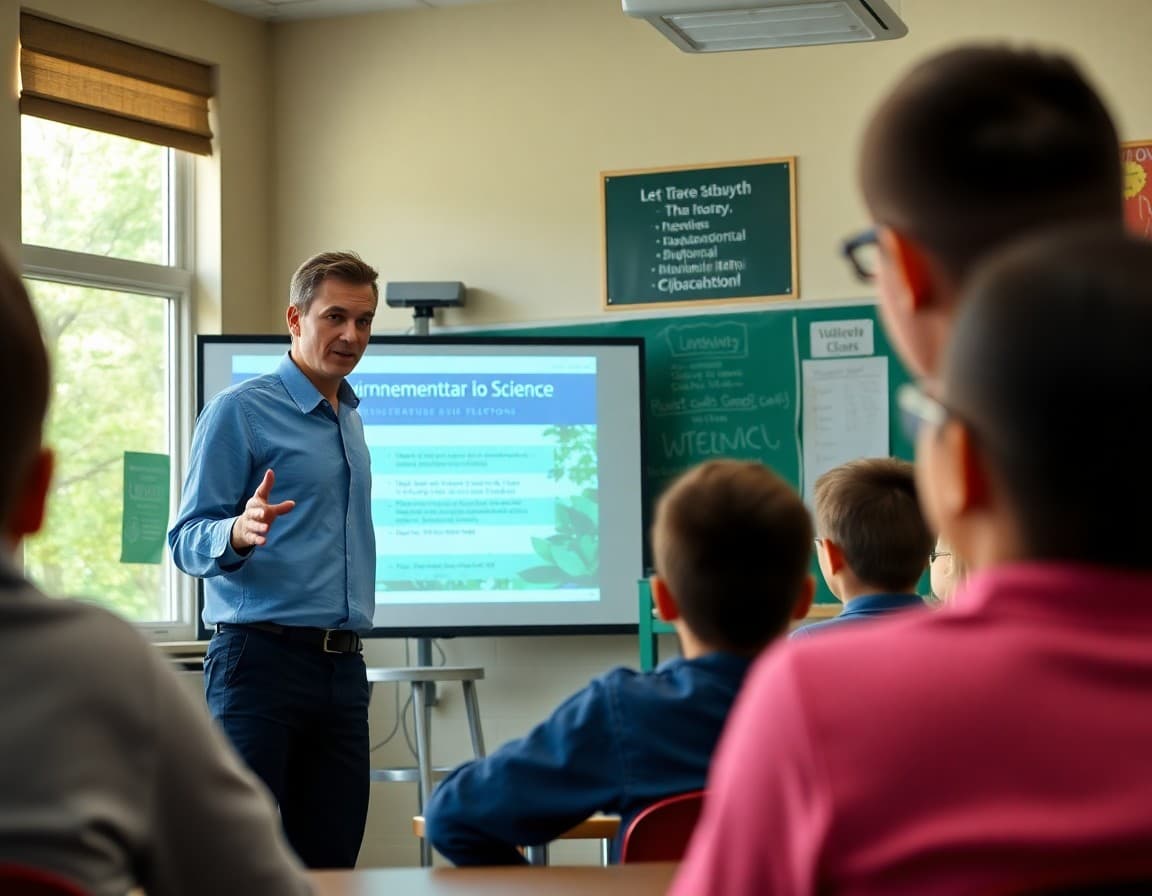
Ninth grade is a transition year, and the first year of high school brings new expectations for students in environmental science. A unit newsletter at the start of each major topic keeps families informed and engaged without requiring constant back-and-forth communication.
Why 9th Grade Families Benefit From Unit Newsletters
Parents of 9th graders are often uncertain about how involved to be. They know their student is in high school and expects more independence, but they also know this is a formative year academically. A unit newsletter strikes the right balance: it keeps families informed without infantilizing the student. It shows parents what is being studied, signals what expectations look like, and gives them one or two ways to support from a respectful distance.
What to Put in the Newsletter Opening
Lead with the unit topic and its central question. For a 9th grade ecosystems unit: "We are starting our ecosystems and biodiversity unit. Students will investigate the central question: how do species interactions shape the structure and stability of ecosystems?" That framing sets the intellectual scope of the unit and gives parents a sentence they can quote to their student.
Key Concepts and Vocabulary
Include the three to five most important concepts students will explore and a brief vocabulary preview. For a biodiversity and ecosystems unit, key concepts might include species diversity and ecosystem stability, trophic levels and energy flow, keystone species, and the effects of habitat loss on biodiversity. Vocabulary might include: biome, niche, trophic cascade, keystone species, endemic species, and biodiversity hotspot.
Plain-language definitions help parents ask informed questions. A parent who knows what a trophic cascade is can ask their student "What is a real example of a trophic cascade?" at dinner. That question is worth more than a flashcard review.
A Template for the Unit Overview Section
Here is a unit opening you can adapt:
"We are starting [UNIT NAME] on [DATE]. This unit runs [X] weeks and covers [3 key concepts]. Students will complete [major assignment or project] as the unit assessment, due [DATE]. The central question driving our inquiry is [central question]. If you have questions about the unit or your student's progress, I am available at [contact info] and hold office hours [days and times]."
That opening covers the unit scope, the assessment, and how to reach you. It takes three minutes to fill in.
Connecting the Unit to the Real World
Ninth graders are more aware of environmental news than many teachers assume. A brief connection to current events in the newsletter makes the unit feel relevant and gives families something to discuss. "This unit connects directly to recent news about wildfire impacts on western US ecosystems and ongoing research on ocean dead zones" is a one-sentence addition that makes the academic content feel immediate.
College Prep Context
Many 9th grade environmental science courses are designed to prepare students for AP Environmental Science in 10th or 11th grade. If that is the case for your course, say so. Parents who know the trajectory plan differently and take the workload more seriously. A line like "The skills and content from this unit build directly toward AP Environmental Science and the type of systems thinking required in college-level science courses" is accurate and motivating.
Lab and Field Work Preview
If the unit includes labs or outdoor work, preview it in the unit newsletter. For an ecosystems unit, a field study comparing the biodiversity of two different habitat patches on or near school grounds is a natural fit. Tell parents what students will do, what materials they might need, and when the activity is scheduled. Even a tentative date prevents scheduling conflicts and last-minute surprises.
How to Support a 9th Grader at Home Without Hovering
Close the newsletter with a brief note on home support that respects the 9th grade dynamic. "The most useful thing families can do is ask your student to explain the unit topic in their own words, especially after a major lesson or before a test. That kind of low-stakes verbal explanation is one of the most effective learning strategies available." That framing gives parents a concrete action that does not feel like micromanaging.
Get one newsletter idea every week.
Free. For teachers. No spam.
Frequently asked questions
What should I include in a 9th grade environmental science unit newsletter for parents?
Ninth grade is the first year of high school, and many parents are more anxious about academic communication than they were in middle school. Cover the unit topic, the central learning question, major assignments and due dates, how the unit ties to the full-year course arc, and one specific way families can support at home. Noting whether the unit connects to AP or college prep standards is also appreciated by parents planning ahead.
How do I explain 9th grade environmental science topics to parents in a newsletter?
Translate technical content into everyday language without dumbing it down. 'We are studying biogeochemical cycles' becomes 'we are studying how carbon, nitrogen, and water move through living and non-living systems on Earth.' That version is accurate, accessible, and gives parents enough context to have a real conversation with their student.
How often should I send unit newsletters for a 9th grade environmental science course?
Once per unit, at the start, is the right rhythm. A 9th grade course typically covers five to seven major units per year, so families receive five to seven unit newsletters. Pairing each unit newsletter with a test prep newsletter one week before the assessment gives families consistent and useful touchpoints throughout the year.
Should I address the transition to high school in my 9th grade unit newsletters?
Briefly, at the start of the year. A beginning-of-year newsletter can acknowledge that 9th grade science expectations are different from middle school, that students will be asked to think and write more independently, and that the workload increases. After that, unit newsletters do not need to revisit the transition. Parents of 9th graders appreciate being treated as the parents of high schoolers.
Does Daystage work for subject-specific newsletters at the 9th grade level?
Yes. Daystage is well suited for subject-area teachers at any grade level who want to send unit-specific newsletters without spending significant time on design or formatting. You can build a template for 9th grade environmental science units, save it, and reuse it each unit with updated content. The consistent format helps parents navigate each newsletter quickly.

Adi Ackerman
Author
Adi Ackerman is a former classroom teacher and curriculum writer with 8 years in K-8 schools. She writes about school communication, parent engagement, and what actually works in real classrooms.
More for High School
Ready to send your first newsletter?
3 newsletters free. No credit card. First one ready in under 5 minutes.
Get started free