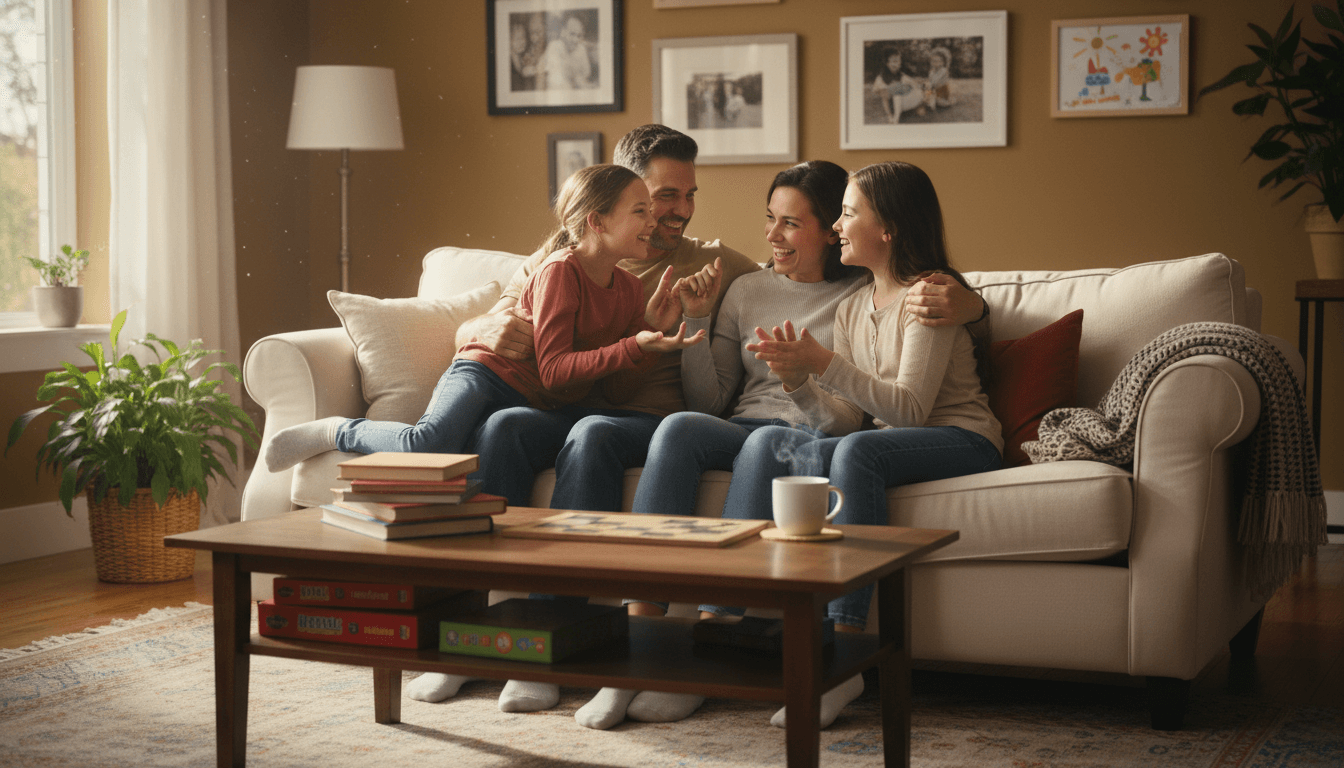
School Screen Time Newsletter: Communicating Device Policies and Digital Wellness to Families

Phone policies in schools have accelerated dramatically. Many states have passed legislation requiring phone-free school environments, and even schools without mandates are implementing their own restrictions in response to growing evidence about the impact of social media and constant connectivity on adolescent mental health. Communicating these policies to families is not straightforward: parents want their children reachable, students resist restrictions, and the policies themselves vary widely in how they are structured and enforced.
This guide covers how to communicate phone and device policies clearly, how to explain the rationale without sounding preachy, and how to connect school policies to home digital wellness in ways that generate family engagement rather than pushback.
Communicating the phone ban or restriction: the policy itself
The most important thing a phone policy newsletter must do is state the policy specifically. Vague language generates confusion and inconsistency.
Specify: what devices are covered (phones only, or all personal devices including tablets and smartwatches), what "away" means (in a bag, in a locker, in a phone pouch, powered off), during which hours the restriction applies (full school day, during class only, during lunch), and what exceptions exist if any (medical necessity, student job, school activities).
If your school uses a specific phone storage product like a Yondr pouch, name it and explain how it works. Families who have never heard of a magnetic-locking phone pouch will have questions if they just encounter the term without explanation.
Communicating the rationale without lecturing
Families who receive a policy without explanation are more likely to look for workarounds or to dismiss the policy as administrative overreach. Families who understand why the policy exists are more likely to support it and to help their children accept it.
The research basis for phone restrictions in schools is strong. Studies show that phone bans are associated with improved academic performance, reduced bullying, and improved adolescent mental health outcomes. Citing specific data points is more effective than general statements about the harms of phones.
"A 2024 study of over 1,000 schools found that students in phone-free environments scored higher on standardized assessments and reported lower rates of anxiety" is more persuasive than "phones are a distraction." Give families something to engage with rather than a conclusion to accept.
How the policy is enforced
Enforcement details matter to families because they want to know what happens when a student violates the policy. Vague enforcement language ("consequences will follow") generates anxiety. Specific language reduces it.
Describe the escalation sequence: first violation is a warning, second is a parent notification and device confiscated until end of day, third is a conference and potential longer-term restriction. Whatever your school's sequence is, state it explicitly. Families who know the consequence in advance accept it differently than families who find out about it after the fact.
Also address the communication concern directly. Many parents want phones on students so they can reach them. Explain the alternative: how families can reach a student during the school day (office phone, front desk), how students can reach parents in an emergency, and what the school's emergency communication process is. Addressing this concern without waiting for parents to raise it signals that the school anticipated it and has a plan.
Home screen time recommendations by age
A school phone policy newsletter is a natural place to extend the conversation to home screen time, because families who understand the school's position on devices during the day are often open to thinking about it at home as well.
The American Academy of Pediatrics recommends no more than one hour of screen time per day for children ages 2 to 5, and consistent limits for children ages 6 and older with screen-free times (meals, one hour before bed, family time). For teenagers, the focus has shifted from strict time limits to content and context: what are they doing on screens, are they sleeping enough, is screen use affecting their mood and relationships.
Frame these as guideposts rather than requirements. "Research suggests that families who establish consistent screen-free times at home see better sleep and mood outcomes in children" invites consideration. "Set a screen time limit" commands, and commands generate resistance.
Balancing digital learning and screen fatigue
Many schools use devices for instruction during the school day even while restricting personal phones. This creates a communication complexity: explaining why school-issued Chromebooks during class are different from personal phones during lunch requires families to hold two distinct framings simultaneously.
Be direct about this distinction: the concern is not screens per se, but unstructured access to social media and personal communication during school hours. Educational device use under teacher supervision serves a different purpose than personal phone use. Most families can follow this distinction when it is explained clearly.
Communicating policy changes
If your school is changing a phone policy (tightening existing restrictions, implementing a new pouch system, or extending restrictions to lunch), give families significant advance notice and a clear explanation of what is changing and why. Policy changes that arrive with one week's notice generate more resistance than ones families have had time to absorb.
Daystage makes it easy to structure a phone policy newsletter with the policy specifics, enforcement details, and family guidance in a readable, professional format. When the newsletter looks organized and the communication is clear, families approach the policy with less skepticism from the start.
Ready to send your first newsletter?
40 newsletters per school year, free. No credit card. First one ready in under 5 minutes.
Get started free