

School Dental Health Program Newsletter: How to Communicate Oral Health to Families
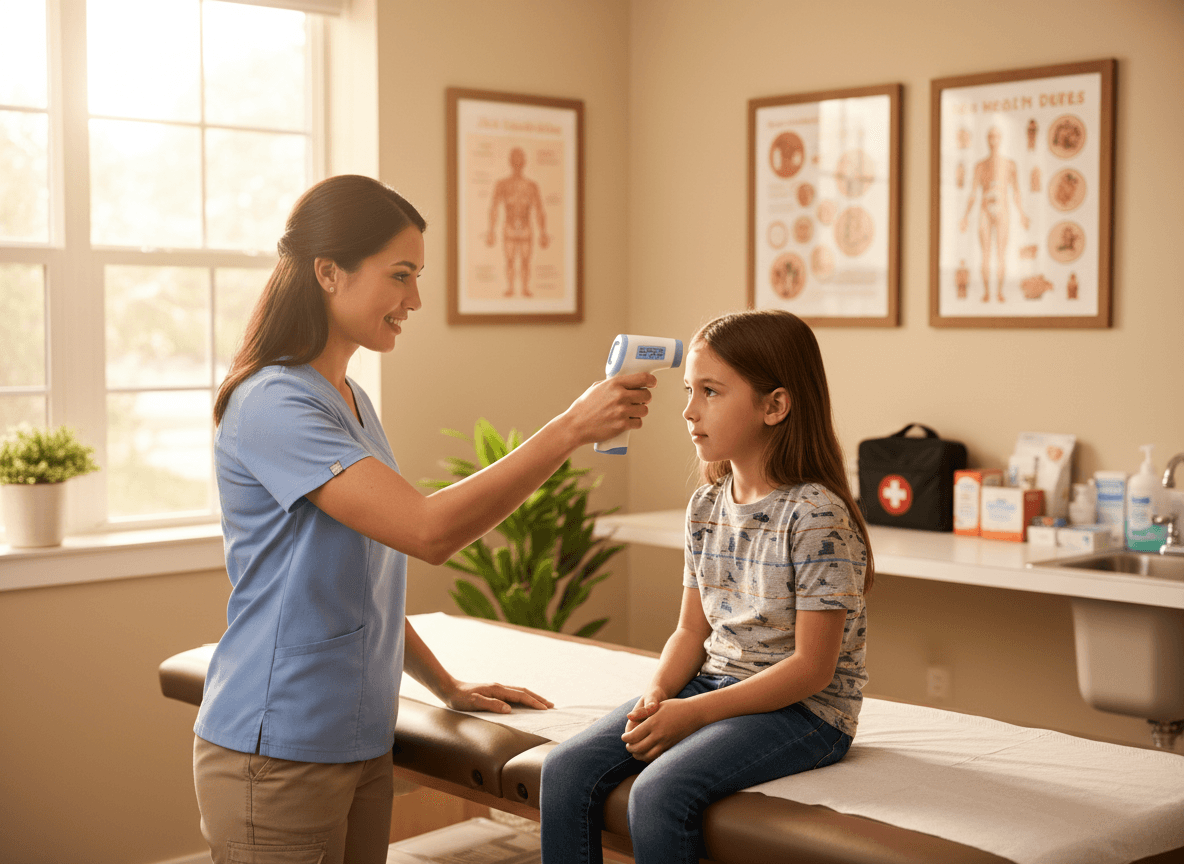
Oral health is one of the most under-communicated health topics in school newsletters despite being directly connected to attendance and learning. Tooth pain is the most common health-related reason for school absence in the United States. Students with untreated cavities sit in class managing low-grade chronic pain that teachers frequently misread as behavioral issues or low motivation.
School dental health communication has a direct academic payoff. This guide covers how to write dental health newsletters that connect families to care, explain school dental programs clearly, and make preventive guidance practical enough to act on.
The academic case for dental health communication
Making the connection between dental pain and academic performance explicit in the newsletter changes how families prioritize dental care. A family that views dental checkups as optional health maintenance behaves differently than a family that understands that their child's untreated cavity is contributing to distraction and irritability in school.
The case is straightforward and worth stating: dental pain causes missed school days, attention problems during instruction, and behavioral dysregulation that can look like other issues. Preventive dental care reduces all of these outcomes. Schools that make this connection in newsletters often see improved engagement with school dental programs.
School dental programs worth communicating
Dental sealant programs apply protective coatings to the chewing surfaces of molars, where most childhood cavities develop. Sealants reduce the risk of cavity development by about 80 percent and are typically applied to first and second permanent molars. If the school or district participates in a sealant program, the newsletter should explain what sealants are, which grades participate, whether parent consent is required, and how to opt in.
Fluoride varnish programs apply concentrated fluoride to teeth during a brief school-based visit. These are most common in elementary schools and are highly effective at reducing early cavity development. A newsletter that explains the varnish as a brief, painless, free preventive treatment and clarifies the consent process increases participation rates significantly.
Free dental screening days at school give families access to professional assessment and referrals for students who need care. These events are often organized through dental schools, community health organizations, or public health departments. Promoting them in the newsletter with specific date, time, and what families can expect increases attendance beyond what a sign-up sheet at the front office achieves.
Connecting families to affordable dental care
The largest driver of unmet dental care in school-age populations is cost and insurance coverage gaps. Many families whose children qualify for dental care through Medicaid or CHIP do not know their child has coverage. A newsletter that states this plainly, with information on how to check eligibility and enroll, connects families to a resource they are already entitled to.
Federally Qualified Health Centers provide comprehensive dental care on a sliding-scale basis and are present in most communities. Dental school clinics provide care at significantly reduced cost under faculty supervision. Local dental society programs often coordinate free care days for children from low-income families. Naming specific local options is more useful than a general statement about available resources.
Preventive guidance families can use at home
Brief, specific home care guidance in the dental health section gives families something to do immediately. The practices with the strongest evidence: fluoride toothpaste twice daily starting with the first tooth, flossing when teeth touch, limiting sugary drinks especially between meals, and scheduling a dental checkup by the first birthday or when the first tooth appears.
February is National Children's Dental Health Month, which provides a natural calendar anchor for the annual dental health newsletter. Schools that tie their dental communication to this month also benefit from additional community dental events and promotional materials that dental associations distribute during February.
Get one newsletter idea every week.
Free. For teachers. No spam.
Frequently asked questions
Why does dental health matter enough for a school newsletter section?
Dental pain is one of the most common reasons students miss school or are unable to concentrate during instruction. Studies estimate that students lose millions of school days per year due to dental pain. Untreated cavities cause chronic low-grade pain that affects attention, behavior, and mood in ways that are often misread as behavioral or academic problems. A school newsletter that connects families to preventive dental care is directly addressing an academic attendance and performance issue, not just a health issue.
What school dental programs should newsletters communicate about?
If the school or district participates in a dental sealant program, fluoride varnish program, or free screening program, these should be featured prominently in the dental health section. State CHIP and Medicaid coverage for pediatric dental care is worth mentioning because many families who qualify do not know their child has dental coverage. School-based dental clinics, where they exist, are highly valuable resources that many families do not know about.
What dental care guidance is most useful to share with families?
Fluoride toothpaste twice daily, beginning from the first tooth. Flossing starting when teeth touch. First dental appointment by the first birthday or when the first tooth appears, not when the child is old enough to cooperate. No bottles in bed after the first tooth. Fluoride supplements for children in non-fluoridated water areas. These are evidence-based practices that many families have not received clearly from any source.
How should schools communicate about dental health with families who have limited access to dental care?
Name the specific free and low-cost options available. Federally Qualified Health Centers provide dental care on a sliding-scale basis. Community health fairs often include dental screenings and referrals. School-based programs like sealants and fluoride varnish provide preventive care at no cost. Medicaid and CHIP cover comprehensive dental care for eligible children. A newsletter that provides these options treats access as a solvable problem rather than acknowledging barriers and moving on.
How does Daystage help schools communicate dental health programs throughout the year?
Daystage lets you add a dental health section to the February National Children's Dental Health Month newsletter and to any newsletter that announces a school dental program event. The template holds the sealant program information, CHIP and Medicaid dental coverage guidance, and the school health contact. You update only the current program dates and any new resources each year.

Adi Ackerman
Author
Adi Ackerman is a former classroom teacher and curriculum writer with 8 years in K-8 schools. She writes about school communication, parent engagement, and what actually works in real classrooms.
More for Health & Wellness
School Vision Health Newsletter: What Families Need to Know About Student Eye Health
Health & Wellness · 5 min read
Puberty and Health Education Newsletter: How Schools Can Communicate With Families
Health & Wellness · 6 min read
Flu Season School Newsletter: What to Communicate and When
Health & Wellness · 7 min read
Ready to send your first newsletter?
3 newsletters free. No credit card. First one ready in under 5 minutes.
Get started free