

School Dental Health Newsletter: Communicating Oral Health Programs and Screenings
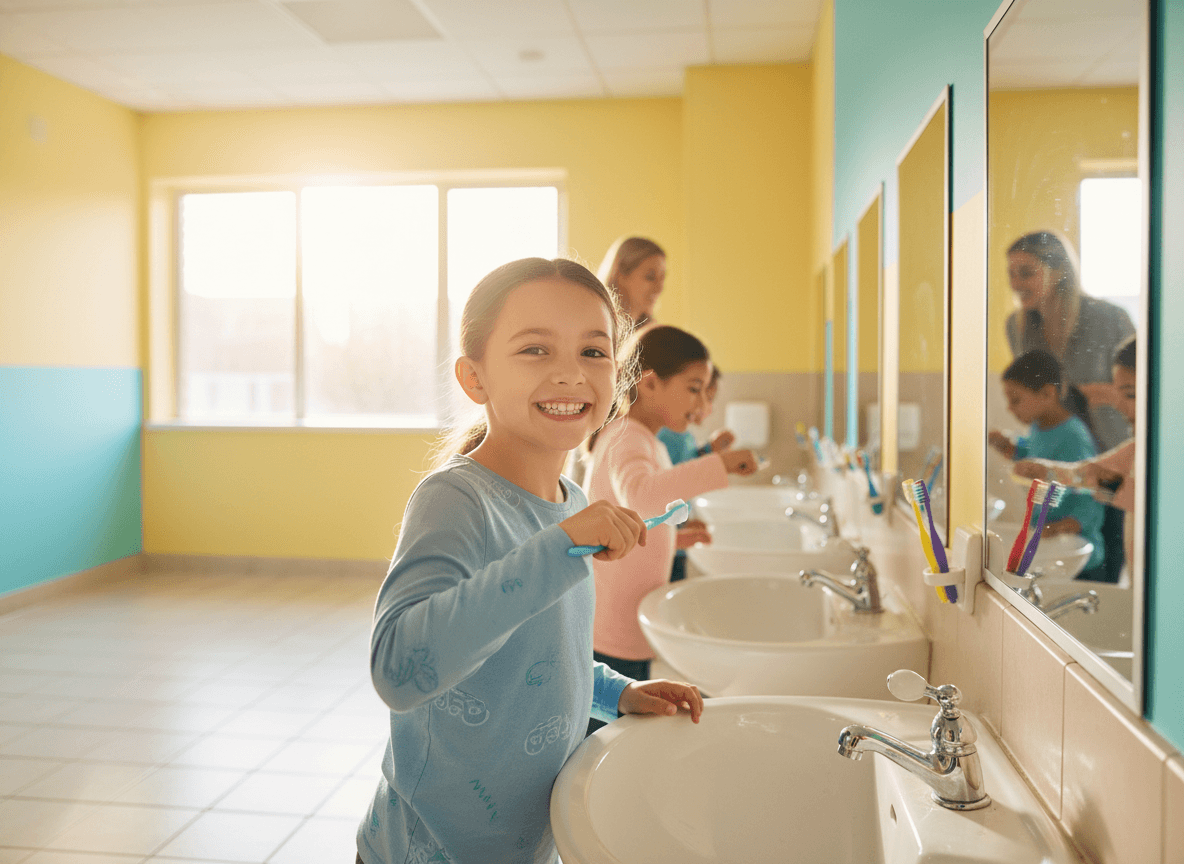
Dental health is one of the most underaddressed areas of school health communication, despite the fact that dental problems are among the leading causes of school absences in the United States. Children miss an estimated 34 million hours of school per year because of dental pain and dental appointments, and most of those absences are preventable.
Schools that communicate dental health programs well, screening processes, referral information, and community resources, contribute directly to reducing that burden. This guide covers how to structure dental health communication throughout the school year.
Communicating the dental screening program
Before a dental screening happens, families need to know what it involves, who conducts it, and what the results will look like. Many parents conflate a school dental screening with a clinical dental appointment, which creates misaligned expectations.
A pre-screening notice should clarify: this is a brief visual check of each student's teeth and gums, typically conducted by a dental hygienist or nurse using a small mirror. It takes two to five minutes per student. It identifies visible concerns and refers students for professional follow-up. It is not a cleaning and does not replace a dental appointment.
Include the date, the grade levels being screened, and whether parental consent is required (requirements vary by state). If consent is required, include or link the form directly.
Communicating screening results to families
Dental screening results communication follows a similar structure to vision and hearing: families who receive no letter can assume their child passed. Families who receive a referral letter should receive specific, calm, actionable information.
A referral letter should include what was observed (plaque buildup, signs of decay, gum inflammation, a concern about bite or eruption), the recommended next step (schedule an appointment with a dentist for a full exam), and a timeline for that next step if applicable.
Avoid language that sounds alarming. "Signs consistent with early decay were noted" is accurate and appropriately concerned. "Your child has cavities" overstates what a screening can diagnose. The difference matters both for accuracy and for the family's emotional response.
Fluoride varnish consent and communication
Many schools offer fluoride varnish treatments as part of dental health programs. Fluoride varnish is applied to the teeth by a dental hygienist or trained health professional and reduces the risk of cavities. It requires parental consent.
Consent communication should explain what the treatment involves, how long it takes, whether there are any post-application instructions (avoiding hard or sticky foods for a few hours), and what the research says about effectiveness. One sentence on the research basis ("fluoride varnish has been shown to reduce cavities by up to 33% in baby teeth") builds confidence in families who are unfamiliar with the treatment.
If your school's fluoride program is funded by a grant or public health department, note that. Families who know the program is free and evidence-based are more likely to consent than families who receive only a form with no context.
Dental hygiene curriculum in school
When dental hygiene is part of the health curriculum, the newsletter is how families connect what students are learning in school to practice at home. A brief section on the monthly dental focus (brushing technique, flossing, sugar and acid effects on enamel) gives families something to reinforce.
"Ask your child to show you the two-minute brushing technique we practiced in class" is more actionable than "remind your child to brush for two minutes." It invites a conversation between parent and child and gives the curriculum something to land on at home.
February, National Children's Dental Health Month, is a natural time to feature a larger dental health section in your newsletter. But a brief mention in any month is more effective than waiting for February.
Connecting families to community dental resources
For families without dental insurance or a regular dentist, knowing where to go is the barrier between a referral and an appointment. School dental newsletters are one of the few communication channels that reliably reach these families, which makes the resource information worth including even if it applies to a subset of your school population.
Include the local community health center or FQHC dental clinic, the state's dental access program if one exists, and whether your area has any free or reduced-cost dental clinics. List them as specific organizations with phone numbers, not as a vague suggestion to "seek resources."
Frame resource information as general community information, not as something you are providing because you think specific families cannot afford dental care. The list goes in the newsletter the same way event information does: it is there for anyone who needs it.
Building dental health into the annual newsletter calendar
One dental health communication per year is not enough to move the needle. A pre-screening notice, a results communication period, a fluoride varnish consent form, and a February dental health feature together create a coordinated communication picture over the year.
Daystage makes it straightforward to plan these communications across the school year calendar, set them up in advance, and send them on schedule without scrambling each time. Consistent dental health communication reaches families repeatedly, which is what changes behavior over time.
Get one newsletter idea every week.
Free. For teachers. No spam.
Frequently asked questions
When should schools communicate dental health programs to families?
Send a pre-screening notice at least two weeks before the scheduled dental screening date, and follow up with a dental health feature in February during National Children's Dental Health Month. Schools with fluoride varnish programs should send the consent communication early enough for families to return forms before the treatment date.
What should a school dental health newsletter include?
A complete dental health newsletter covers what the screening involves (a brief visual check, not a clinical exam), how long it takes, whether parental consent is required, and what a referral result means. Resource information for families without dental insurance belongs in the same section, framed as general community information rather than targeted outreach.
How should schools communicate dental screening results to parents?
Set the expectation in the pre-screening notice: no letter means your child passed, a referral letter means a professional evaluation is recommended. Referral language should describe what was observed accurately, like 'signs consistent with early decay,' rather than overstating findings by telling families their child has cavities based on a visual screening alone.
What are common mistakes in school dental health communication?
The most common mistake is sending dental screening notices without explaining what a screening is, which leads parents to believe the school performed a clinical exam. Another is using alarming language in referral letters, which causes parents to panic or dismiss the referral as an overreaction. A third is omitting community dental resources, which means families who cannot afford a dentist have no path forward.
Can school newsletter tools help with dental health communication?
Daystage makes it straightforward to plan dental health communications across the full school year calendar. The pre-screening notice, referral period, fluoride consent form, and February feature can all be scheduled in advance so they go out on time without requiring a staff scramble each time a new piece is due.

Adi Ackerman
Author
Adi Ackerman is a former classroom teacher and curriculum writer with 8 years in K-8 schools. She writes about school communication, parent engagement, and what actually works in real classrooms.
More for Health & Wellness
School Illness Policy Newsletter: How to Communicate Health Protocols Families Will Actually Follow
Health & Wellness · 7 min read
School Heat Illness Prevention Newsletter: Keeping Students Safe When Temperatures Rise
Health & Wellness · 5 min read
School Sleep Newsletter: How to Talk to Families About the Sleep Crisis in Kids
Health & Wellness · 7 min read
Ready to send your first newsletter?
3 newsletters free. No credit card. First one ready in under 5 minutes.
Get started free