

School Cardiac Health Newsletter: Sudden Cardiac Arrest Awareness and AED Preparedness
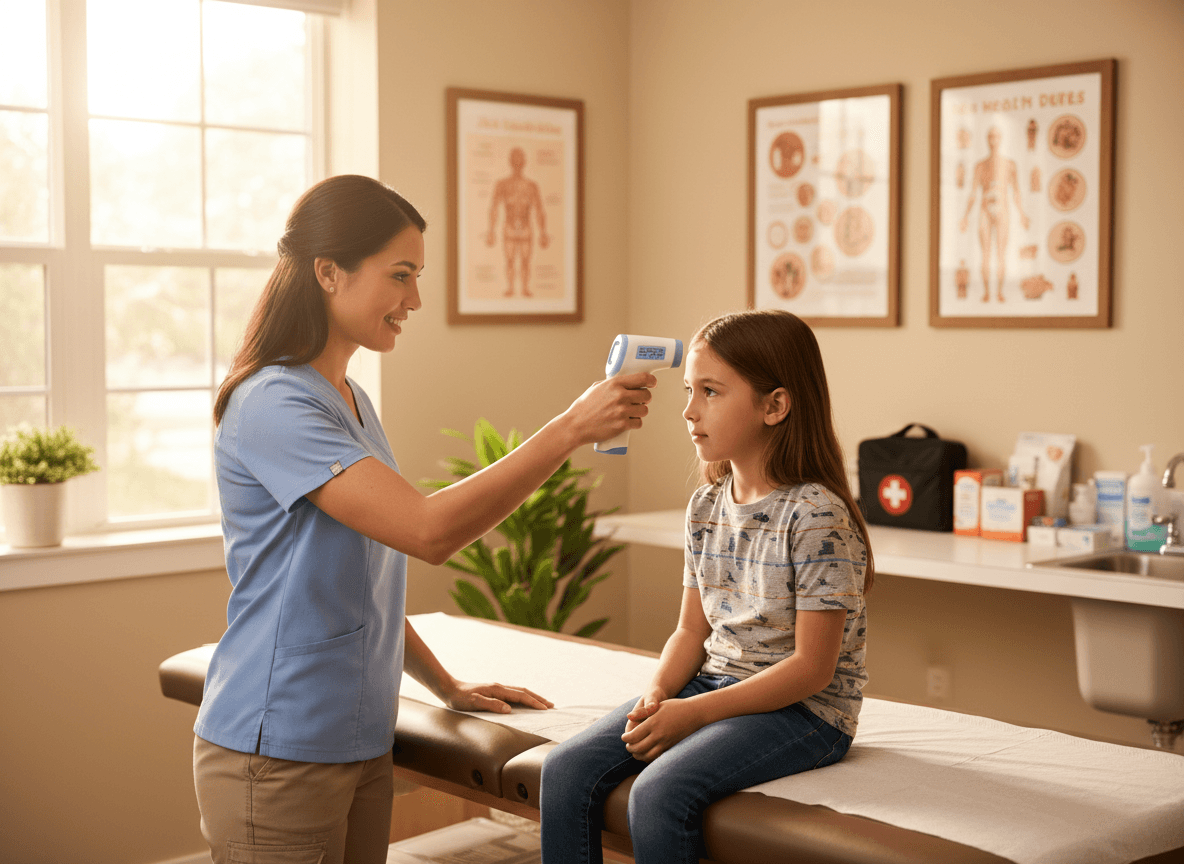
Sudden cardiac arrest does not announce itself. A student who appeared perfectly healthy at morning practice can collapse that same afternoon. Schools that are prepared with trained staff, accessible AEDs, and informed families give those students the best possible chance of survival. Communication is part of that preparation.
Sudden Cardiac Arrest in Young People
Sudden cardiac arrest in school-age students is uncommon but it happens. Most cases involve underlying heart conditions that were never diagnosed because they cause few symptoms at rest. These conditions become dangerous under the physical stress of vigorous exercise. Athletes are at higher risk than non-athletes because their activity level creates the conditions where an undetected cardiac abnormality is most likely to become critical.
The newsletter should name this reality clearly without creating panic. The point is not to discourage athletic participation. It is to make families aware of warning signs that warrant medical evaluation before a student competes.
Warning Signs Families Should Not Ignore
Before any student participates in competitive or strenuous athletics, families should report to their physician if the student has ever experienced: unexplained fainting or near-fainting, especially during or after exercise; chest pain, pressure, or tightness with physical activity; a racing, fluttering, or irregular heartbeat; extreme shortness of breath that is not proportional to the activity; or any family history of sudden cardiac death in a relative under 50.
These are the screening questions on the pre-participation physical examination. Families who know to discuss these signs with their physician are more likely to provide complete answers on the sports physical form.
Where AEDs Are Located at School
Name the AED locations. Include the gymnasium, athletic facilities, main office, and any other locations where devices are stored. A family member attending a school sporting event who witnesses a cardiac emergency should know exactly where the nearest AED is. A student who hears this information at home may remember it in a moment when it matters.
Also briefly explain how an AED works: it is designed to be used by anyone, with voice prompts that guide each step. You do not need medical training to use an AED effectively.
Sports Physical Requirements
Explain the sports physical requirement clearly. A current sports physical from a licensed physician is required before a student can participate in school athletics. The physical should include a cardiac screening history. Families who have not scheduled this before the season begins risk delaying their child's athletic clearance.
If the school offers any on-site cardiac screening events through partnership with local hospitals or cardiac health organizations, include the date and registration information.
CPR Training and Community Preparedness
Schools that train staff in CPR and AED use are better prepared, but so are communities where families also know these skills. If the school or district offers CPR training for parents, include that information in the newsletter. A community where more adults know CPR and AED use is meaningfully safer than one where that knowledge is concentrated in a small group of trained staff.
Get one newsletter idea every week.
Free. For teachers. No spam.
Frequently asked questions
How common is sudden cardiac arrest in school-age athletes?
Sudden cardiac arrest in young athletes is rare but is the leading cause of non-traumatic death among student athletes. Most cases involve underlying conditions that were undetected before the event. Sports physicals and awareness of warning signs are the primary prevention tools available at the school level.
What warning signs of cardiac conditions should families report before their child participates in sports?
Unexplained fainting or near-fainting during or after exercise, chest pain or pressure with activity, irregular heartbeat sensations, extreme shortness of breath disproportionate to exertion, and a family history of sudden cardiac death in a young relative. These signs should be reported to the family's physician before the student participates in school athletics.
Where are AEDs located at school?
AEDs should be located in high-activity areas including the gymnasium, athletic fields, and main office. The newsletter should name the specific locations at your school so that any adult who witnesses a cardiac emergency knows where to direct someone to retrieve the device. Every second matters in a cardiac event.
Who at school is trained to use an AED?
Most schools train a core group of staff in CPR and AED use, including coaches, PE teachers, athletic trainers, and administrators. Some schools train all staff. The newsletter can note the scope of training without naming individuals, which reassures families that a capable responder will be present during school activities.
How does Daystage help with cardiac health and safety communication?
Schools use Daystage to send annual cardiac health newsletters to families ahead of fall sports registration, covering sports physical requirements, warning signs to watch for, and AED preparedness. The platform ensures every family receives the same message at the same time, which is important for time-sensitive health information.

Adi Ackerman
Author
Adi Ackerman is a former classroom teacher and curriculum writer with 8 years in K-8 schools. She writes about school communication, parent engagement, and what actually works in real classrooms.
More for Health & Wellness
School Illness Policy Newsletter: How to Communicate Health Protocols Families Will Actually Follow
Health & Wellness · 7 min read
School Health and Mental Wellness Newsletter: A Combined Approach for Busy Schools
Health & Wellness · 5 min read
School Sleep Health Newsletter: What Families Need to Know About Student Sleep
Health & Wellness · 6 min read
Ready to send your first newsletter?
3 newsletters free. No credit card. First one ready in under 5 minutes.
Get started free