
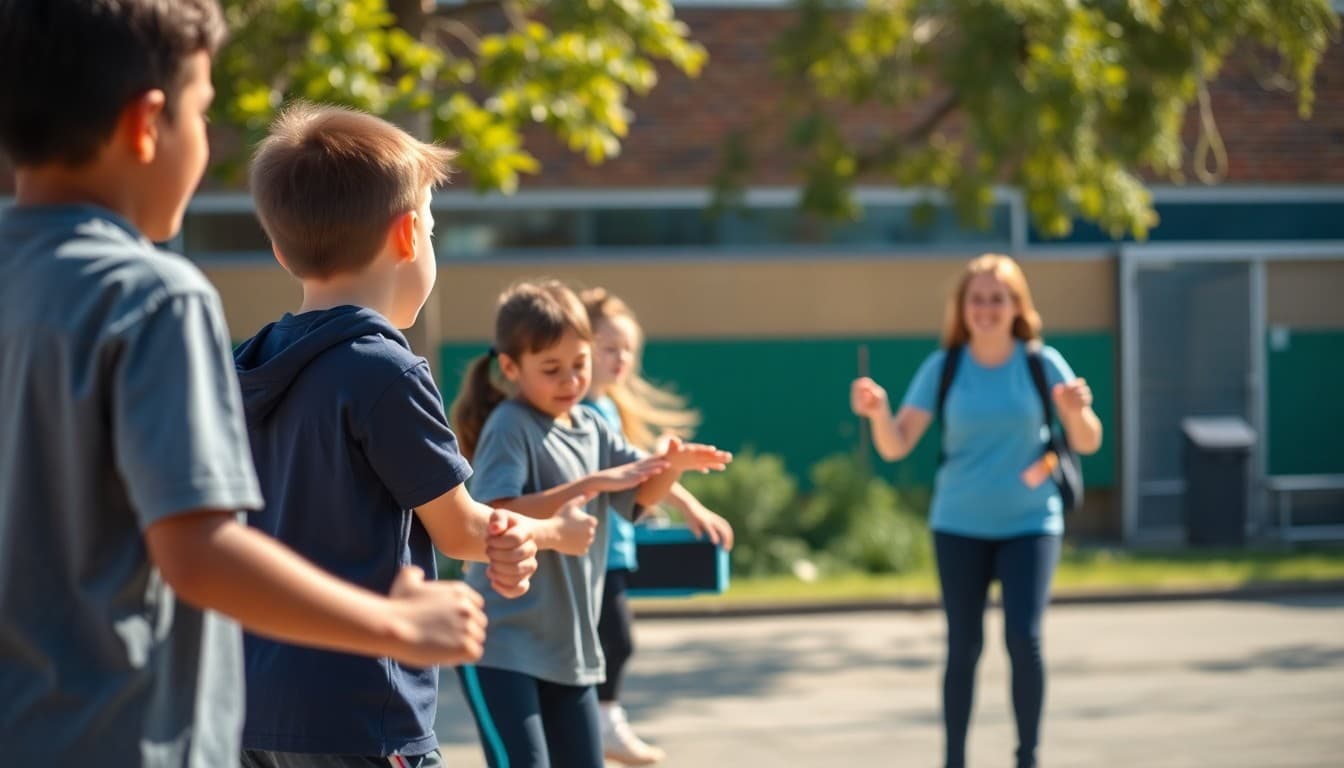
Physical Fitness Newsletter: Moving for Student Health

Physical education is one of the most visible parts of the school day, yet many families have little idea what their child is learning in PE class. A physical fitness newsletter fixes that. It connects what happens on the gym floor or the outdoor track to what families can support at home, and it reminds everyone that movement is not separate from learning. It is part of it.
What the Research Says About School Fitness Communication
Students who receive physical activity support from both school and home show better cardiovascular fitness, higher academic engagement, and fewer behavioral referrals than students who receive support from school alone. Yet the CDC reports that fewer than half of parents feel well-informed about their child's PE program. A regular fitness newsletter is one of the simplest ways to close that gap. You do not need a complex wellness initiative. You need consistent, plain-language communication about what students are doing and why it matters.
What to Include in a Physical Fitness Newsletter
Each newsletter should have a clear picture of the current PE unit, including the skills being taught and how they connect to physical literacy goals. Include one or two at-home activity ideas families can try without special equipment. If your school is running a fitness challenge, explain the rules and how families can participate. Add a safety reminder if the season calls for one, like heat precautions in September or cold-weather layers in January. Close with contact information for the PE teacher or school nurse.
Writing About PE Without Sounding Like a Lecture
Parents already know that exercise is good for kids. You do not need to convince them. What they want to know is what their specific child is doing at school and how they can be involved. Write in the second person and make the connection personal. "This month your child is learning the fundamentals of cardiorespiratory endurance through interval running" tells a parent exactly what to ask about at dinner. "Regular aerobic exercise has many benefits" tells them nothing actionable.
Sample Template Excerpt
Here is a section you can adapt for your own newsletter:
What We Are Working On This Month: Cooperative Games
Grades 2-4 are finishing a four-week unit on cooperative games, where teams work together toward a shared goal rather than competing head-to-head. This week students are playing parachute activities that require all 20 students to coordinate timing and movement. Ask your child what role they played in today's game and what the team had to figure out together.
Try This at Home: The 10-Minute Family Challenge
Pick any 10 minutes this weekend and move together as a family. Walk, bike, shoot hoops, or have a dance contest in your living room. Students who are physically active with a family member at least once per week report higher motivation in PE class. You do not need a gym or a fitness plan. You just need to move.
Addressing Students Who Struggle With Fitness
Not every student is athletic, and not every family has space or resources for outdoor activities. Your newsletter should reflect that reality. Acknowledge that fitness is personal and that progress looks different for every student. If your school has adaptive PE or modifications for students with disabilities, mention that briefly. Families of students with physical limitations need to know that PE class is designed to include their child, not just accommodate them as an afterthought.
Connecting Fitness to Mental Health
Physical activity is one of the most effective interventions for anxiety and depression in school-age children. This is worth saying plainly in your newsletter. When you explain that 30 minutes of moderate activity reduces cortisol levels and improves focus for up to three hours afterward, parents start to see PE as mental health support, not just exercise time. That reframe changes how families prioritize movement at home.
Showcasing Student Progress
Fitness improvement is motivating when students can see it. If your school tracks data from fitness assessments like the FitnessGram, consider sharing class-wide averages in your newsletter, not individual scores, to show progress over time. A statement like "our fourth graders improved their average mile time by 45 seconds since September" gives families a concrete picture of what the PE program is accomplishing. It also builds community pride in the school's wellness culture.
Working With the School Nurse on Fitness Content
Your school nurse likely has data on which students are experiencing health issues that intersect with physical activity, including obesity screenings, asthma management during exercise, and hydration needs on hot days. Coordinate with the nurse before each newsletter to make sure your fitness recommendations align with the health guidance families are receiving from the clinic. Consistent messaging from PE and the health office carries more weight than either program communicating alone.
Get one newsletter idea every week.
Free. For teachers. No spam.
Frequently asked questions
What should a physical fitness school newsletter cover?
Cover what students are doing in PE class, any upcoming fitness events like field day or fun runs, and specific activities families can do at home to complement school-based physical education. Include the PE standards your school follows so families understand what goals students are working toward. Concrete details about current units are more engaging than general statements about the value of exercise.
How can schools motivate families to support physical activity at home?
Give families something specific and low-barrier to try. A 10-minute evening walk, a weekend bike ride, or a set of backyard jumping activities costs nothing and takes no equipment. Frame these as ways to connect with their child, not as homework. Families are more likely to follow through on activities that feel like fun rather than obligations.
How do you handle students with physical limitations in fitness newsletters?
Acknowledge that fitness looks different for every student. Mention that the PE program adapts activities for students with IEPs, mobility challenges, or chronic conditions. Avoid framing fitness as performance-based achievement. Focus on participation, effort, and personal progress rather than comparing students to benchmarks or each other.
When should schools send physical fitness newsletters?
Natural timing includes the start of a new PE unit, before field day or a fitness challenge event, and at the midpoint of the school year when motivation tends to dip. You can also tie a newsletter to a national observance like National Physical Fitness and Sports Month in May. The goal is to reach families when the content is immediately relevant.
What is the best way to send physical fitness newsletters to all families?
Daystage makes it easy to build a newsletter with photos from PE class, embed a weekly activity challenge, and send it to all families at once. You can track open rates to see whether families are engaging with the content, and schedule future newsletters in advance so communication does not fall behind during busy stretches of the school year.

Adi Ackerman
Author
Adi Ackerman is a former classroom teacher and curriculum writer with 8 years in K-8 schools. She writes about school communication, parent engagement, and what actually works in real classrooms.
More for Health & Wellness
Ready to send your first newsletter?
3 newsletters free. No credit card. First one ready in under 5 minutes.
Get started free