
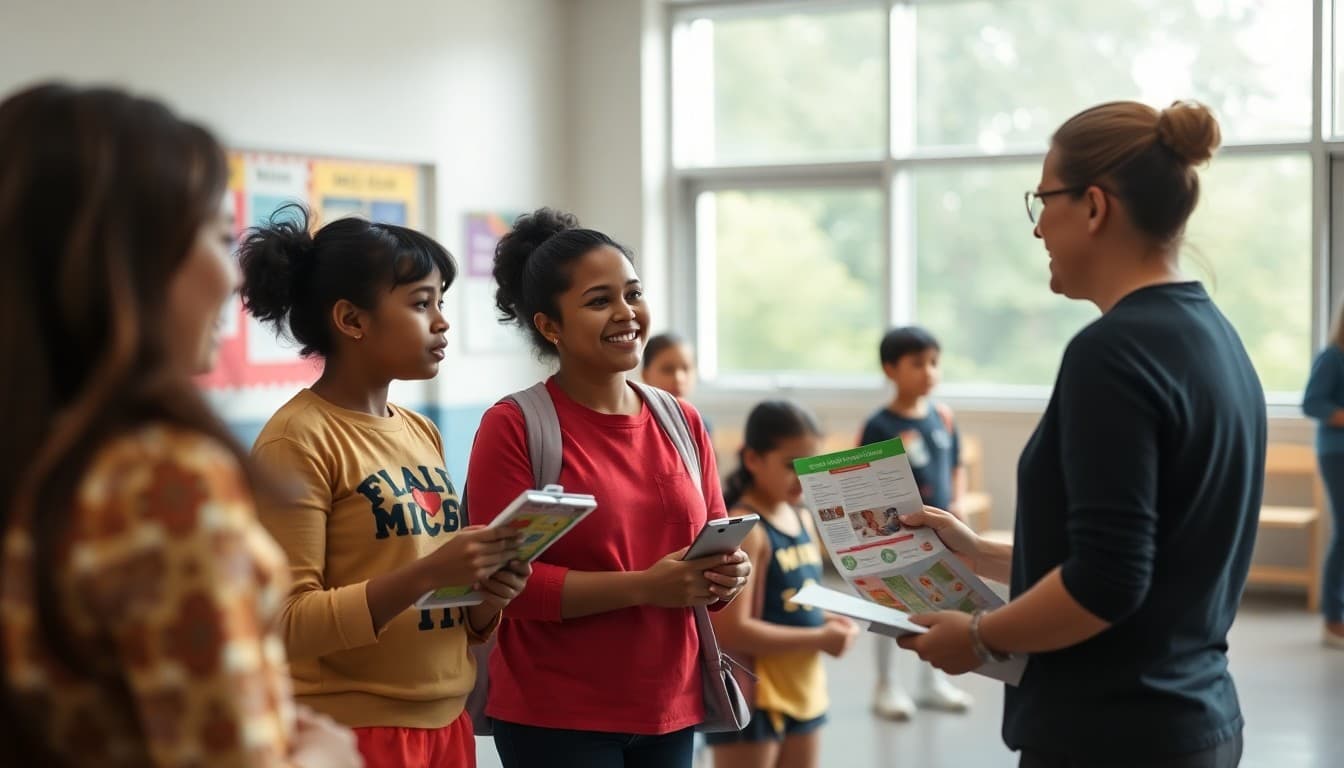
Childhood Obesity Prevention Newsletter for School Families
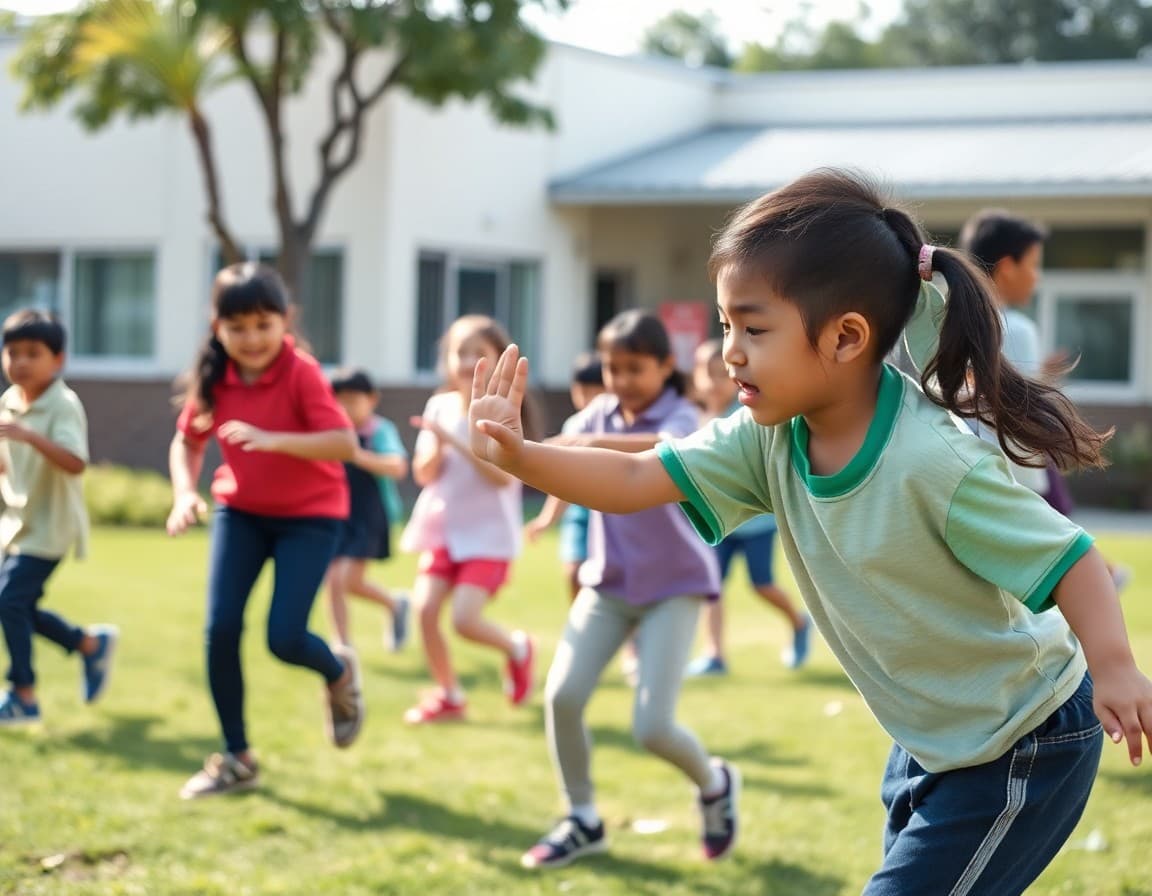
Childhood obesity is a public health issue, and schools are on the front lines of it. But sending a newsletter that inadvertently shames students or triggers anxiety in families does more harm than good. The challenge is writing something that promotes healthy behaviors clearly and honestly without making any child or family feel targeted. This guide walks through how to do that well.
Understanding the Scale of the Issue
According to the CDC, approximately 19 percent of children and adolescents in the United States are classified as obese. That rate has roughly tripled since the 1970s. The causes are environmental and systemic, not just individual: food deserts, reduced time for unstructured play, increased screen-based entertainment, and food marketing targeting children all contribute. When you frame the issue in your newsletter this way, families hear it as a shared challenge rather than a personal accusation. That framing makes them more likely to engage with the prevention strategies you share.
What Schools Can Control
Your newsletter should focus on the things your school is actively doing. Daily PE and recess that meets state time requirements. Cafeteria improvements like added salad bars, reduced sodium in entrees, or a breakfast program expansion. Movement breaks built into the classroom schedule. Water bottle refilling stations added this year. These concrete school actions show families that prevention is a school-wide effort, not a message directed at specific students' bodies or families' habits.
Framing Wellness Without Weight Language
A newsletter on childhood obesity prevention that never uses the words "overweight" or "obese" is entirely possible and often more effective. Focus on what students are gaining, more energy, better sleep, stronger focus, and fewer sick days, rather than what they should weigh. Research from the Society for Nutrition Education and Behavior consistently finds that weight-neutral messaging increases family engagement and reduces the shame response that shuts down behavior change. Use language like "active and healthy" rather than "healthy weight."
Practical Family Strategies Worth Sharing
Three family behaviors have the strongest evidence base for childhood obesity prevention. The first is regular family meals. Families who eat dinner together four or more times per week have children with healthier dietary patterns, lower rates of obesity, and better academic outcomes. The second is adequate sleep. As covered in sleep health research, sleep-deprived children show higher rates of weight gain because the hormones that regulate hunger are disrupted when sleep is short. The third is outdoor play. Unstructured outdoor time for at least 60 minutes per day is associated with healthier weight outcomes across all age groups.
Sample Template Excerpt
Here is a section you can adapt for your own newsletter:
Building Healthy Habits Together This Year
Our school health team is committed to creating an environment where every student can move, eat well, and thrive. This year we have added three new initiatives to support student wellness: an expanded breakfast program starting at 7:30 AM, a 10-minute movement break in all classrooms after third period, and new water refilling stations in the gym and main hallway.
At home, one of the most powerful things families can do is eat at least four meals together per week. Research shows this single habit is more predictive of healthy outcomes in children than almost any other family behavior. You do not need a perfect meal. You need a shared table.
Addressing Food Access Without Stigma
Many families face real barriers to healthy eating that have nothing to do with knowledge or motivation. Food deserts, limited grocery budgets, time constraints from multiple jobs, and lack of cooking equipment all shape what families eat. Your newsletter can acknowledge these barriers by connecting families to local resources. Free and reduced lunch programs, food bank partnerships, afterschool meal programs, and community fridges are worth mentioning. Acknowledging that access is unequal builds trust with families who experience those barriers every day.
When Individual Follow-Up Is Needed
If your school nurses conduct annual BMI screenings or fitness assessments, families may receive individual results letters in addition to a general newsletter. These letters require special care. They should come from the nurse directly, be framed in clinical rather than alarming language, and include specific referral resources rather than generic advice to "eat healthier." A general wellness newsletter is not the place for individual health data. Keep those conversations in the nurse's office.
Coordinating With Cafeteria Staff and PE Teachers
Before sending a childhood obesity prevention newsletter, coordinate with your cafeteria manager and PE teacher to make sure the school's actions align with the message you are sending. If you are encouraging families to eat more vegetables at home, it helps if the cafeteria is also prioritizing vegetables. If you are promoting daily movement, PE should be offering a varied, accessible program that every student can participate in. Alignment between the newsletter and the daily school experience makes the message credible.
Get one newsletter idea every week.
Free. For teachers. No spam.
Frequently asked questions
How should schools address childhood obesity without stigmatizing students?
Focus on behaviors and environments rather than body weight or size. Promote movement, nutritious food options, and adequate sleep as universal goods for every student, not interventions targeted at specific children. Avoid BMI language in general newsletters since body mass index is a population-level screening tool, not a personal health verdict. When families need individual follow-up, that happens through the nurse's office, not a school-wide communication.
What can schools actually do to prevent childhood obesity?
Schools can increase access to physical activity through daily PE and recess, improve the quality and appeal of cafeteria meals, limit access to sugar-sweetened beverages, incorporate movement breaks into the classroom day, and provide health education that normalizes conversation about food and exercise. Each of these environmental changes affects every student without singling anyone out.
What resources should a school obesity prevention newsletter point to?
Direct families to the CDC's ChooseMyPlate resources, the Let's Move initiative materials, and your state health department's family wellness programs. If your district has a nutritionist or wellness coordinator, include their contact. Local YMCA programs, parks and recreation departments, and community health centers often have free or low-cost resources for families that schools can highlight.
How do you involve families in prevention without creating shame or anxiety?
Frame the newsletter around the whole family rather than the child. Activities families do together, meals they prepare together, and routines they build together are the most sustainable prevention interventions. Avoid language that suggests individual children are at risk or that parents are failing. Instead, use inviting language that presents small habit changes as accessible and worthwhile for everyone.
How can Daystage help schools send sensitive health newsletters?
Daystage lets you craft a newsletter with the exact tone you want, preview it before sending, and deliver it to all families at once via email. For sensitive topics like childhood obesity prevention, you can draft the newsletter with your school nurse and principal, review it together in the platform, and make tone adjustments before anyone receives it. That collaborative review step reduces the risk of a message landing badly.

Adi Ackerman
Author
Adi Ackerman is a former classroom teacher and curriculum writer with 8 years in K-8 schools. She writes about school communication, parent engagement, and what actually works in real classrooms.
More for Health & Wellness
Ready to send your first newsletter?
3 newsletters free. No credit card. First one ready in under 5 minutes.
Get started free