
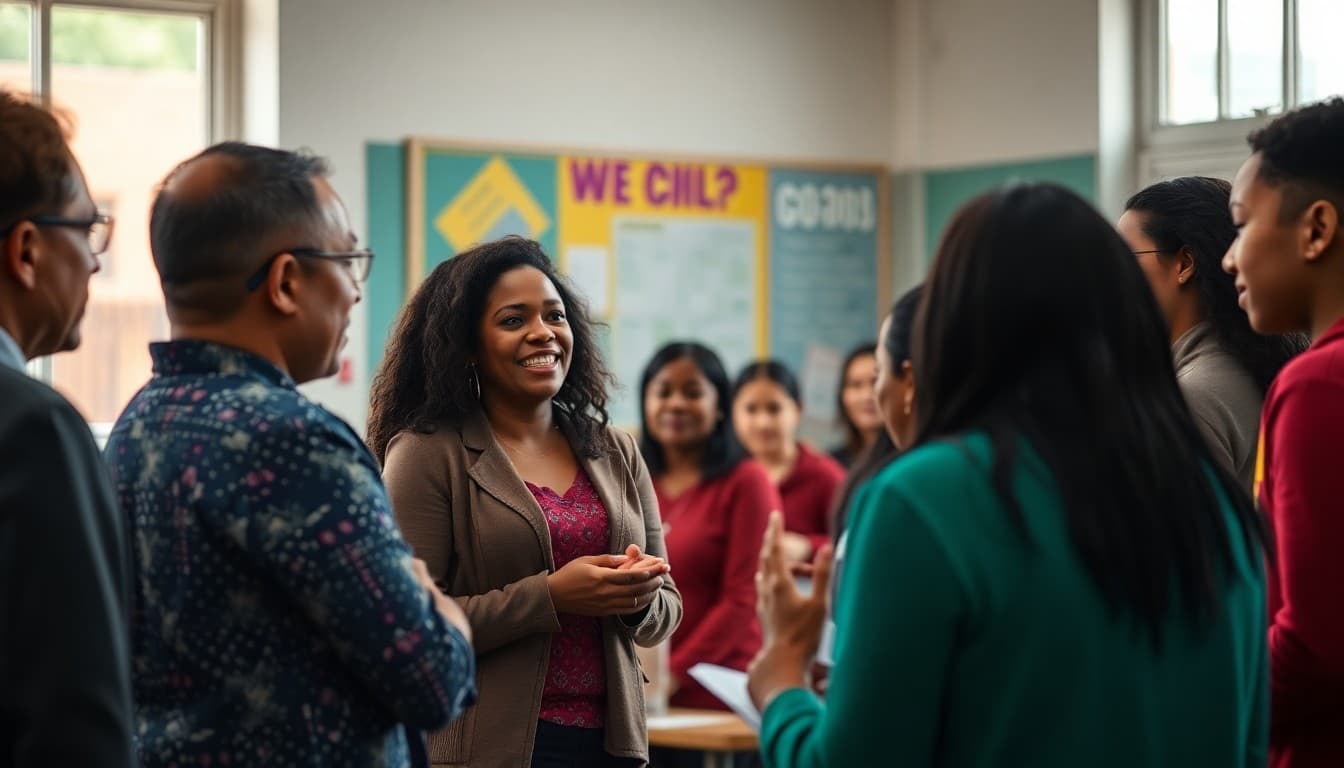
Parent Engagement Newsletter for Urban School Families
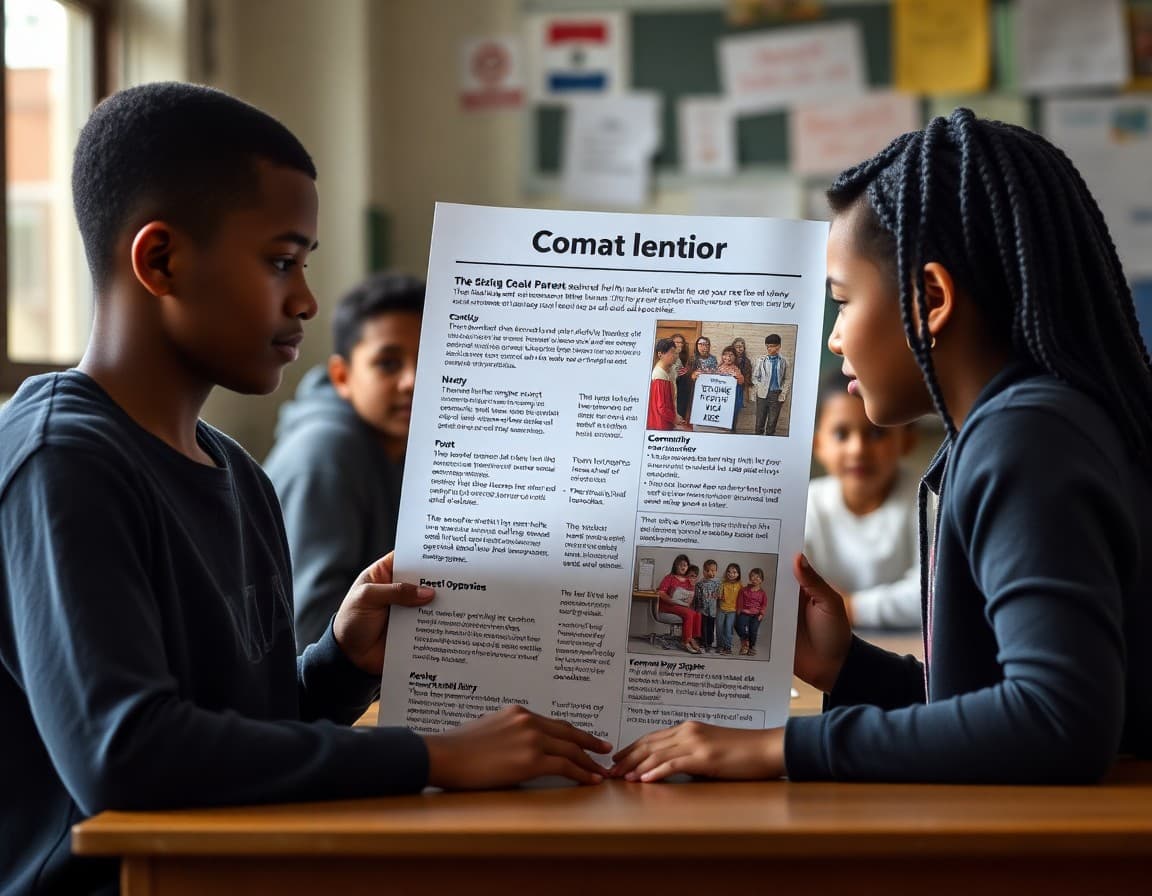
Parent engagement in urban schools is one of the most researched and most misunderstood areas of education. The research is clear: when families are genuinely engaged in their child's education, students perform better academically, have better attendance, and are more likely to graduate. The misunderstanding is in how engagement is defined. Traditional metrics -- PTA attendance, classroom volunteering, evening meeting participation -- systematically undercount urban family engagement because they measure forms of participation that urban families are less able to access. The newsletter changes this equation by bringing the school to families rather than requiring families to come to the school.
Redefining Engagement for Urban Context
A parent who reads the newsletter, talks to their student about what they read, and asks one question when they see the teacher at school pickup is engaged -- even if they never attend a PTA meeting. A parent who cannot make the evening curriculum night because they work the closing shift but follows up the next day by asking their student what they missed is engaged. Urban school newsletters should reflect this broader definition of engagement: every newsletter section should give families something they can do in the gaps of their actual lives, not in an idealized version of family time that most families do not have.
Photos Drive Engagement More Than Any Other Content
The single most powerful engagement driver in school newsletters is photos of students. Not stock photos -- actual photos of the specific students in the class, with appropriate permission, doing specific things. A photo of the class's science experiment, the students' poetry displayed on the wall, or a student receiving an award generates email opens and responses at dramatically higher rates than text-only newsletters. Urban families, like all families, are motivated by seeing their own child represented. Make sure every newsletter includes at least one classroom photo with a specific caption that connects to the text content.
The Trust Problem in Urban School Communication
Many urban families -- particularly those from communities with histories of negative institutional experiences -- enter the school-family relationship with a degree of distrust. That distrust may stem from their own negative school experiences, from encounters with child protective services, immigration enforcement, or housing authorities, or from years of school communications that felt bureaucratic and impersonal. A newsletter that uses the teacher's actual voice, refers to students by name (when parents have given permission), acknowledges the community's specific challenges, and delivers on its promises each week slowly builds the trust that makes every subsequent communication more effective.
Template Section: Building Two-Way Communication
Here is a two-way communication section that invites family input without requiring significant time:
"One Question for You This Week: What is the biggest challenge your student faces outside of school right now? You don't have to share anything personal -- a category is fine: transportation, schedule, homework time, technology access, or something else. Reply to this email with one word or phrase. Your answers help me understand what our class community is navigating and how I can be more helpful. All responses are private. I will share themes (not individual responses) in next week's newsletter."
That kind of direct, low-barrier question generates more family engagement than a formal survey and builds a communication relationship that goes both ways.
Reaching Families Who Don't Respond to Email
In most urban schools, 20 to 40 percent of families are not reliably reached by email. This group is not disengaged -- they are simply not reachable through the primary channel. Build a three-channel approach: email newsletter (primary), printed newsletter sent home with students (backup for no-email families and families who prefer paper), and a brief text message summary sent through the school's notification system for families who have text alerts enabled. Families reached through multiple channels are more likely to act on the newsletter content than families reached through only one.
Event Promotion That Accounts for Urban Family Constraints
When promoting school events in the newsletter, always include information that accounts for urban family logistics: Is public transit accessible to this location? Is childcare provided for younger siblings? Is the event available in multiple languages? Is there a virtual option for families who cannot attend in person? Is it okay to arrive late or leave early? These details seem minor but they are the difference between a family deciding to attend and a family deciding the event is not accessible to them. An urban school newsletter that routinely includes this information builds a reputation as a school that actually wants diverse families to participate.
Making the Newsletter a Community Asset
The most effective urban school newsletters feel like community documents, not just school-to-home dispatches. They include neighborhood-specific resources, celebrate community members beyond just school staff, reference local events and cultural occasions, and acknowledge the real conditions families are navigating. When families feel the newsletter reflects their actual community rather than a generic school communication template, they share it with neighbors, forward it to family members who have other children at the school, and post it in community spaces. That organic distribution extends the newsletter's reach beyond any email list.
Get one newsletter idea every week.
Free. For teachers. No spam.
Frequently asked questions
Why is parent engagement harder to achieve in urban schools?
Urban school families face more logistical barriers to traditional forms of parent engagement: multiple jobs with inflexible schedules, lack of transportation, language barriers, distrust of institutions based on past negative experiences with schools or government agencies, and competition from other urgent family needs. Traditional engagement models -- evening meetings, PTA participation, classroom volunteering -- work less well when families are managing these barriers. The newsletter becomes more important precisely because it reaches families where they are rather than requiring them to come to the school.
How do I measure whether my urban school newsletter is actually driving parent engagement?
Track email open rates using your newsletter platform. A healthy open rate is above 30 percent. Below 20 percent indicates a delivery, design, or relevance problem. Also track response rates to specific calls to action: did families sign up for the event you promoted? Did the volunteer slots fill? Did families respond to the survey? Open rate measures reach; response rate measures engagement. Both matter.
What kinds of newsletter content drive the highest engagement from urban school parents?
Photos of students in action (with permission) consistently drive the highest engagement rates. Student work samples, specific descriptions of what is happening in the classroom, community resource information, and personal notes from the teacher also perform well. Generic updates and policy reminders perform worst. Content that is specific to the actual students in the class outperforms generic school information every time.
How do I build trust with urban families who have historically had negative experiences with schools?
Consistency and honesty. Send the newsletter on the same day every week or month without fail. When something goes wrong, acknowledge it directly rather than spinning it. Celebrate the community explicitly -- name neighborhoods, reference local landmarks, acknowledge the challenges families navigate. Families who feel the teacher knows and respects their community trust that teacher's communications more than one who seems unaware of the context.
Can Daystage help urban school teachers engage hard-to-reach parents through better newsletters?
Yes. Daystage's delivery tracking helps teachers identify which families are consistently not opening newsletters -- those families need a different outreach strategy (phone call, printed newsletter, in-person check-in). The platform also supports scheduling newsletters in advance, so teachers can maintain consistent communication even during especially demanding weeks.

Adi Ackerman
Author
Adi Ackerman is a former classroom teacher and curriculum writer with 8 years in K-8 schools. She writes about school communication, parent engagement, and what actually works in real classrooms.
More for Guides
Ready to send your first newsletter?
3 newsletters free. No credit card. First one ready in under 5 minutes.
Get started free