
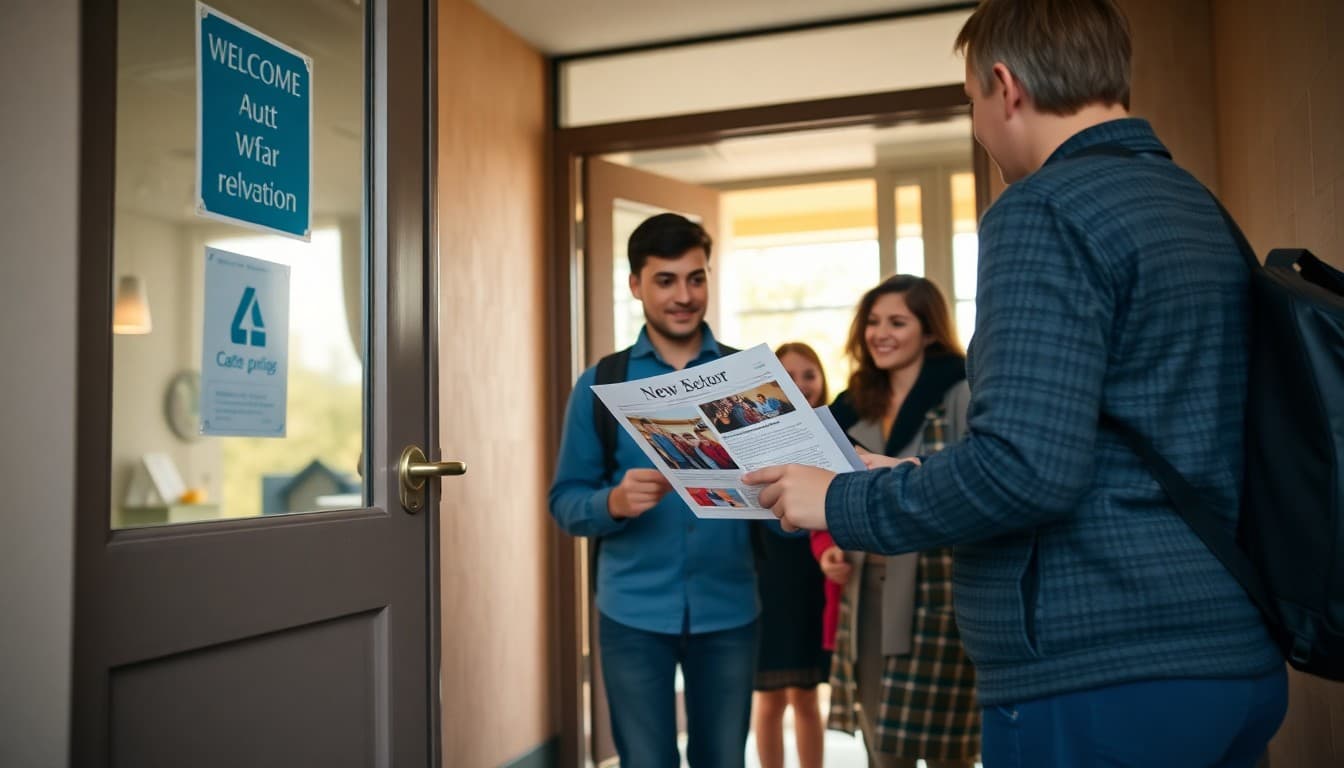
School Newsletter: Welcoming New Families First Impressions Guide
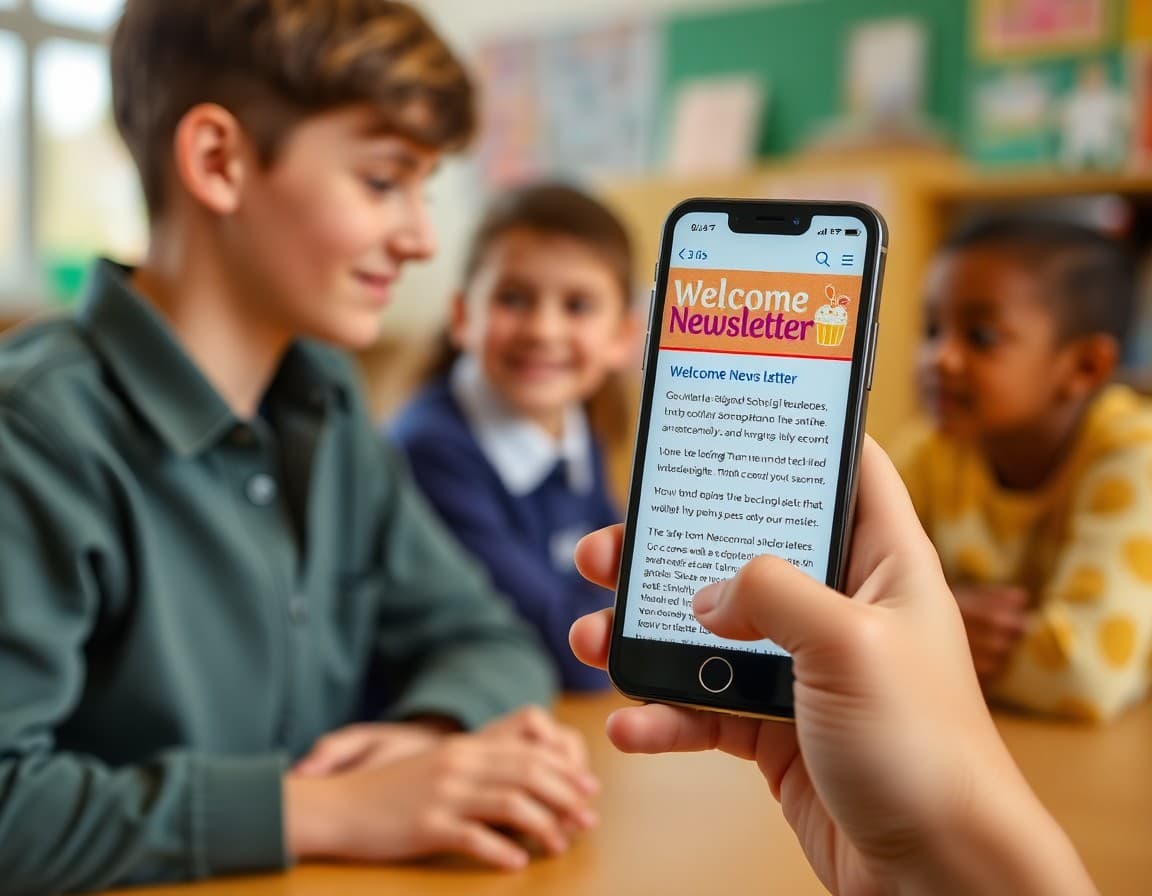
A family enrolls mid-October. Their child starts Monday. By Friday, they have received no communication from the school. They do not know who to call about the field trip form. They do not know when the next parent event is. They do not know whether there is a newsletter or where to find it. They feel, in the specific way that new families feel, like they are on the outside looking in. A good welcome newsletter fixes this in three minutes.
The First Impression Is Set Earlier Than You Think
The first piece of communication a new family receives from a school sets the template for how they understand and engage with the school. A newsletter that is warm, organized, and useful says: this school communicates clearly and cares that you feel informed. A generic form letter or no communication at all says something different. The welcome newsletter is not just a courtesy. It is the foundation of the relationship.
Send on Day One or Two
The welcome newsletter should reach new families within the first two days of enrollment or the first two days of the school year for new cohorts. This timing matters because families are most receptive to orientation information before they are confused by their first week of logistics. A welcome newsletter sent after the first week of confusion is less useful than one that arrives before confusion has a chance to set in.
The Five Things Every Welcome Newsletter Needs
Cover these five things in the welcome newsletter: who to contact for different needs (teacher email, front office number, health office contact), the weekly schedule and any unusual days coming up in the next two weeks, how the newsletter works and when it arrives, key resources like the school website and any parent-facing apps the school uses, and one warm, specific sentence that makes the family feel seen as individuals rather than as a form input.
Making New Families Feel Like They Arrived at the Right Moment
One of the most effective welcome newsletter techniques is showing new families that they are joining the school at an interesting time. "You have joined us right as our class starts its geology unit, which happens to be one of my favorites to teach." Or: "October at our school is a particularly good month: we have two field trips, the student art show, and the harvest festival on the 24th." This framing turns arrival anxiety into anticipation.
What to Leave Out of the Welcome Newsletter
Leave out everything that is not essential for orientation. The complete school policy handbook belongs on the school website, not in the welcome newsletter. The full curriculum overview for the year is for the first parent-teacher conference. The welcome newsletter should be readable in under three minutes. Long welcome documents imply that new families have to do a lot of work to get up to speed, which is not the message you want to send.
The Second Newsletter Matters Too
The welcome newsletter sets expectations. The second newsletter, the first regular weekly update the new family receives, confirms whether those expectations were accurate. A second newsletter that is as organized and warm as the welcome newsletter builds the relationship. A second newsletter that is disorganized, long, and hard to navigate creates disappointment. Treat the first regular newsletter a new family receives with the same intentionality as the welcome newsletter.
Mid-Year New Family Arrivals
New families who arrive mid-year do not receive a back-to-school welcome newsletter because they were not there in September. Create a standing welcome template that you can personalize and send within 24 hours of any new enrollment. This template covers the same five orientation elements plus a brief "here is where we are right now" context that gives the new family a sense of the school year to date.
Get one newsletter idea every week.
Free. For teachers. No spam.
Frequently asked questions
When should a school send a welcome newsletter to new families?
The first welcome newsletter should go out within the first three days of a new family enrolling or at the very start of the school year for all incoming families. The sooner new families receive school communication, the faster they feel connected and informed. A family who receives nothing from the school in the first week often starts the year feeling excluded, which is hard to reverse.
What should a welcome newsletter for new families include?
A welcome newsletter should cover: who to contact for different types of questions, the school schedule and any unusual calendar considerations coming up, how the newsletter works and when to expect it, key resources like the school website and parent portal, and a warm note from the teacher or principal that sounds like a real person, not a form letter.
Should the welcome newsletter be different from the regular newsletter?
Yes, at least for the first send. The welcome newsletter is an orientation document: it assumes the family knows nothing and establishes the baseline. Regular newsletters assume families are already oriented and focused on the current week. A new family who receives a regular newsletter without first receiving an orientation newsletter often feels confused about context that returning families take for granted.
How do I make a welcome newsletter feel personal rather than generic?
Include one specific detail about the class or the school year that is true right now. Mention the classroom mascot, the current unit, the book the class is reading, or something that is true only this week. Generic welcome letters feel like they were written in August and saved unchanged. One current detail makes the letter feel written today.
Can Daystage send welcome newsletters to new subscribers automatically?
You can create a welcome newsletter template in Daystage and send it to new families as they join your subscriber list. While Daystage does not have automated triggered sends, setting up a standing welcome template means you can send the welcome newsletter to a new family within minutes of them providing their email, rather than waiting for the next scheduled send.

Adi Ackerman
Author
Adi Ackerman is a former classroom teacher and curriculum writer with 8 years in K-8 schools. She writes about school communication, parent engagement, and what actually works in real classrooms.
More for Guides
Ready to send your first newsletter?
3 newsletters free. No credit card. First one ready in under 5 minutes.
Get started free