

School Newsletter: Valentine's Day Card Policy for Elementary Schools
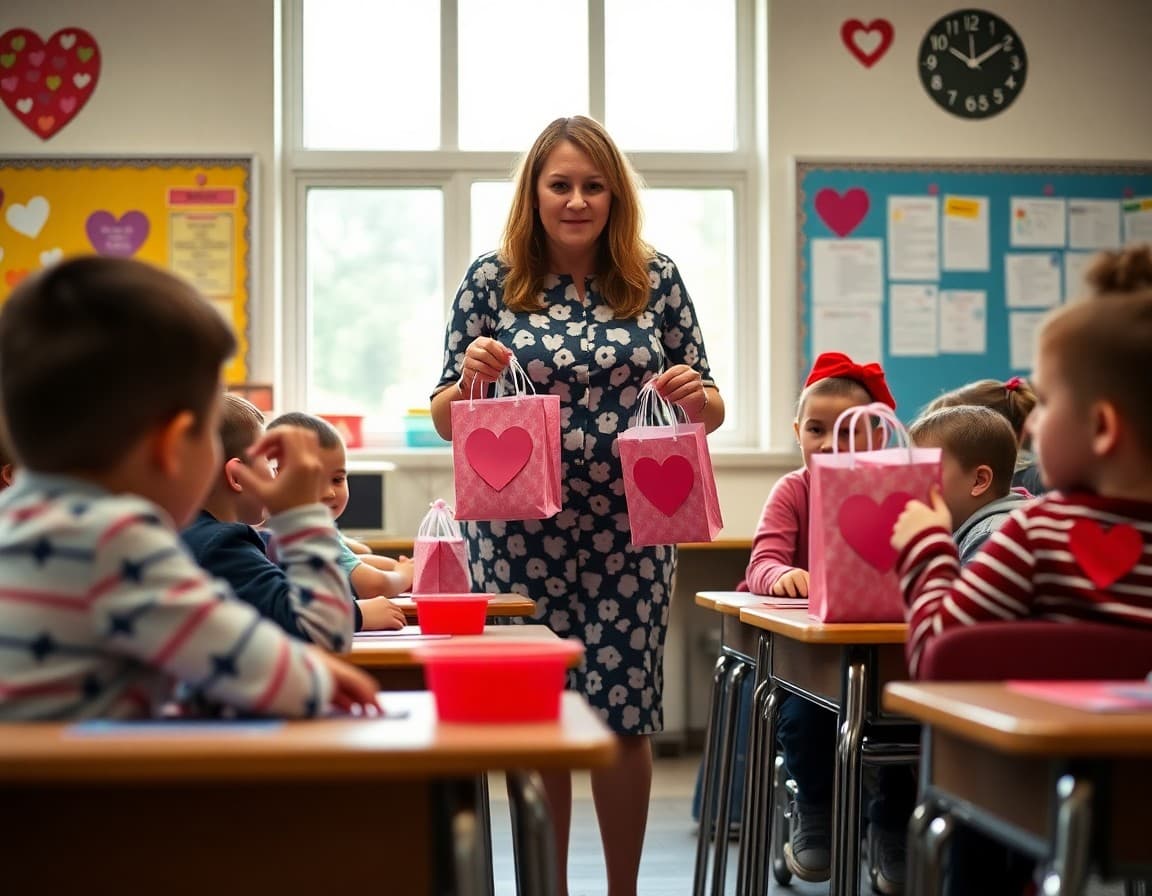
Valentine's Day newsletters for elementary schools have a specific job: give families the information they need at least two weeks before February 14 so they can prepare the right number of cards, choose a treat that is safe for the class, and know what to expect on the day. A newsletter sent five days before the holiday creates a rush. One sent two to three weeks before gives families time to shop, address envelopes, and prepare without stress.
State the date and the format of the exchange
"Our class will celebrate Valentine's Day on [date] during [time: the last 30 minutes of the school day / the afternoon party period / our class party from 2:00 to 2:30 PM]. Students who wish to participate in the card exchange should bring valentines for every student in the class. We have a class policy that if a student brings cards, they bring one for everyone. The class list is included below."
Include the class list with first names
A simple list of first names sorted alphabetically is standard for Valentine's Day purposes. If two students share a first name, include a last initial. "Class list for valentines (alphabetical): [names]." Include the count: "Total students including your child: [number]. Each student should bring [total minus 1] cards, or [total] if your student wishes to give one to the teacher as well."
Describe the treat policy clearly
"Treats attached to valentines must follow these guidelines: Store-bought treats with a visible ingredient label are preferred. Homemade food items are not permitted per our school's food safety policy. Non-food treats (pencils, stickers, bookmarks, erasable pens) are always acceptable and appreciated. Our classroom has students with the following allergies or restrictions: [state allergies without naming the student. For example: This classroom is peanut-free. Please do not include any items containing peanuts or tree nuts.] If you are unsure whether a specific item is safe, please contact me before purchasing."
Describe the card exchange procedure
"On [date], students will decorate their valentine bag or envelope during [time period]. Cards will be distributed during the exchange portion of the party. You do not need to address each card to a specific student if that is more convenient for younger students. Signing your child's first name on each card is sufficient." That practical note helps parents of kindergarteners and first-graders who are managing the logistics of 20+ handwritten cards understand what is actually expected.

Address families who do not celebrate Valentine's Day
"We understand and respect that some families do not celebrate Valentine's Day for religious or personal reasons. Students who do not wish to participate in the card exchange are welcome to bring an alternative activity to work on during the exchange period. Please let me know in advance so I can ensure your student has a comfortable arrangement. There is no obligation to explain the reason to the class."
Name what to send to school on the day
"On [date], please send: A completed set of valentines with your child's name on each one. Treats attached to or inside the cards, if included, following the guidelines above. Optional: your child's valentine bag or box if they are making one at home. (We will make a bag at school on [date] if your child prefers that option.)" A brief checklist removes the possibility that families forget something important on the day.
Close with the deadline for opting out
"If your student will not be participating in the exchange, please let me know by [date] so I can make the appropriate arrangements. If you have questions about the policy or the class party, I am available at [email]. Looking forward to a fun and inclusive celebration with our class."
Get one newsletter idea every week.
Free. For teachers. No spam.
Frequently asked questions
Do elementary students need to bring cards for every student in the class?
Most elementary schools have an all-or-nothing policy: if a student brings Valentine cards, they bring one for every student in the class. This policy protects students from being excluded and prevents the social pain of watching classmates receive cards they did not receive. The policy should be clearly stated in the newsletter along with the class list, so families know exactly how many cards to prepare and do not accidentally bring fewer than the full class count.
How do you handle food allergies in a Valentine's Day treat policy?
Many schools require that Valentine treats be store-bought with ingredient labels visible, or that treats be limited to non-food items entirely. If food treats are allowed, the newsletter should remind families to check their child's classroom for known allergies before choosing a treat. Some teachers include a specific allergen list in the newsletter. If the class has a student with a severe allergy, the newsletter should state the specific items to avoid without naming the student. 'This classroom is peanut-free. Please do not include any peanut-containing items in your student's Valentines.'
What should a Valentine's Day newsletter include?
The newsletter should include the date of the class party or exchange, whether valentines are optional or expected, the all-class policy, the class list for families who need it, the treat policy (food vs. non-food, allergy considerations), the bag or envelope decoration time if applicable, and any opting-out procedure for families who do not celebrate the holiday for religious or personal reasons.
How do you handle students who do not celebrate Valentine's Day?
A brief acknowledgment in the newsletter shows families that the school respects diverse practices. 'We understand that some families do not celebrate Valentine's Day for personal or religious reasons. Students who do not wish to participate in the card exchange are welcome to spend the exchange period in an alternate activity in [location]. Please contact your child's teacher in advance so we can arrange the accommodation without drawing attention to your student.' That language is inclusive without making the holiday optional for the rest of the class.
Can Daystage help teachers send Valentine's Day policy newsletters?
Yes. A Valentine's Day newsletter is a good use of Daystage because you can include the class list, the treat policy, and the party date in a clean format that families can reference quickly. Teachers who send this newsletter two weeks before the holiday give families enough time to prepare without feeling rushed.

Adi Ackerman
Author
Adi Ackerman is a former classroom teacher and curriculum writer with 8 years in K-8 schools. She writes about school communication, parent engagement, and what actually works in real classrooms.
More for Guides
Ready to send your first newsletter?
3 newsletters free. No credit card. First one ready in under 5 minutes.
Get started free