
School Newsletter: Tornado Drill Communication for Families

In the plains states, tornado drills are as routine as fire drills. In regions with less frequent tornado activity, they are less familiar and therefore more anxiety-producing for students and parents alike. A clear communication about tornado drills, shelter procedures, and what happens during a real weather event gives families everything they need to prepare their student and trust the school's safety systems.
Explain the legal requirement and frequency
Open by framing tornado drills as required safety preparation. "State law requires [School Name] to conduct [number] tornado and severe weather drills per school year. Our drills typically occur during the spring semester when tornado risk is highest in our region. The specific dates of drills are not announced in advance." That context tells families the drill is mandated, planned, and connected to real seasonal risk.
Describe the shelter procedure step by step
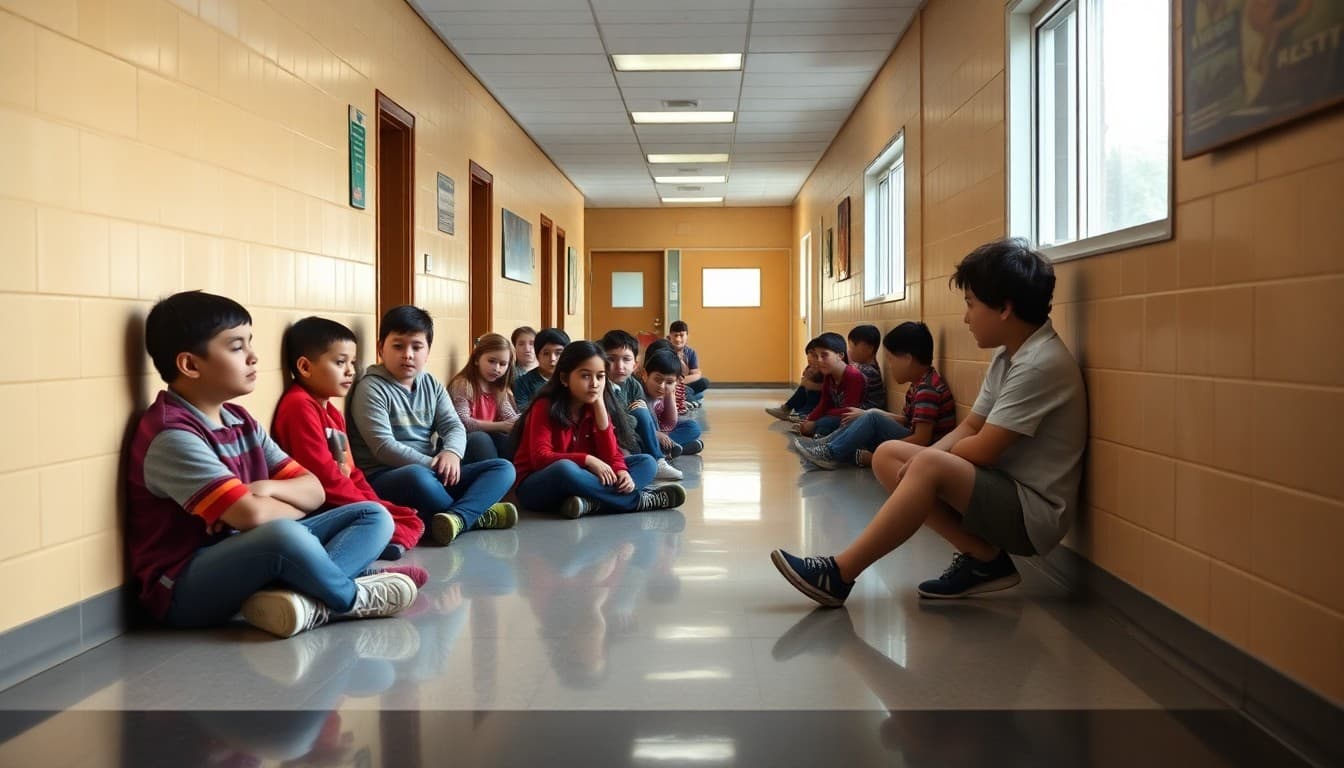
Walk families through exactly what their child will do during a drill. "When a tornado drill is initiated: A signal (distinct from the fire alarm) is activated. Students stop all activity. Teachers lead students to the designated shelter area for their classroom. Students sit on the floor facing the interior wall, knees bent, hands clasped behind the head. Bags and backpacks are left behind. Students remain in shelter position until the all-clear signal is given. A typical drill takes 5 to 8 minutes."
Name the specific signal used for tornado drills if it differs from the fire alarm. "Our tornado drill signal is [description: a steady long tone, an announcement over the intercom, a different alarm pattern]. Students are taught to distinguish it from the fire alarm, which requires a different response."
Describe how the school monitors weather during real events
Families want to know the school does not wait for the tornado to be visible before acting. "We monitor weather continuously during the school day using the district weather alert system and National Weather Service notifications. When a tornado watch is issued for our county, we begin monitoring weather more closely and review our shelter readiness. When a tornado warning is issued for our area, we immediately move all students and staff to shelter areas without waiting for the drill signal. We follow the same procedure used in drills every time."
Describe the shelter areas by building zone
Name the shelter areas without requiring families to know the floor plan. "Our school's designated shelter areas are the interior hallways of the main building, away from all exterior windows. Classrooms in the [north / east / south / west] wing shelter in the [interior hallway / gymnasium restrooms / main office hallway]. Families who want to see the shelter map can pick one up from the main office."

Explain how families will be notified during a real tornado event
"During a real tornado warning, we do not conduct parent pickup until the warning has been lifted and we have confirmed the shelter areas are clear. Bringing students out of shelter during an active tornado warning creates danger for both students and families. Once the warning is lifted, we will send an immediate notification through [communication system] confirming that students are safe and that normal operations are resuming. Please do not call the school during an active weather event as staff will be occupied with student safety."
Address tornado anxiety in students
"Some students, particularly those who have experienced or heard about real tornadoes in their community, find tornado drills more anxiety-producing than fire drills. If your child expresses significant fear about tornadoes or severe weather, here are some things that may help: Review what the shelter position looks like at home so it feels familiar rather than alarming. Explain that the drill is practice for a procedure that keeps them safe if a real warning occurs. Ask your child where their classroom's shelter area is and walk through the physical steps together. If your child's anxiety about severe weather is significant, please contact our school counselor at [email]."
Close with the communication plan and key contact
"We take severe weather preparation seriously and practice our procedures so that if a real warning ever occurs, every student and staff member knows exactly what to do. If you have questions about our tornado safety procedures, please contact [name] at [email]. We will notify you after each drill confirms that the procedure was completed successfully."
Get one newsletter idea every week.
Free. For teachers. No spam.
Frequently asked questions
What is the tornado shelter procedure in a school?
In most schools, a tornado shelter procedure involves moving all students and staff from classrooms to interior hallways or designated shelter areas away from windows and exterior walls. Students sit on the floor with their knees pulled up, facing the wall, with their hands clasped behind their heads to protect their neck. Exterior-facing classrooms and rooms with windows are evacuated. Doors to shelter areas are closed but not locked. The procedure is activated when the school receives a tornado warning from the National Weather Service, a local warning siren, or district emergency notification.
How do schools monitor weather during the school day?
Most schools use a combination of weather monitoring tools: the district's weather alert system, local National Weather Service alerts delivered through the school's emergency communication system, and designated staff whose responsibility is to monitor weather conditions during high-risk periods. Some districts have weather radios in all buildings. Schools in tornado-prone regions typically have a weather monitoring protocol that begins when a tornado watch is issued for the county, before a warning is in effect.
When should families receive a tornado drill communication from school?
The best time to send a tornado drill communication is at the start of tornado season, typically in the spring for most states, and at the start of the school year if tornadoes are a year-round risk in your region. Sending the communication before the first drill of the year allows families to discuss the procedure with their children and reduces student anxiety. In states with significant tornado risk (Oklahoma, Kansas, Nebraska, Missouri, Arkansas, Mississippi), a tornado communication is a standard part of the beginning-of-year safety communication.
How do you address tornado anxiety in students through a family newsletter?
Tornado anxiety is particularly common in elementary students in high-risk regions who have heard stories about real tornado events, often from family members or community experience. Acknowledge the anxiety in the newsletter rather than dismissing it. Give families specific language to use when discussing drills and real tornado warnings with their children. Describe the physical safety of your school's shelter areas. For families with students who have significant weather anxiety, offer a specific counselor contact and describe the individual support available.
Can Daystage help schools communicate tornado preparedness to families?
Yes. A tornado preparedness newsletter is one of the best uses of a consistent annual template in Daystage. You write the core content once, including your school's specific shelter locations, the warning protocol, and the family communication plan during a real event, then update dates and any changes each year before sending. Schools in tornado-prone areas benefit from sending this newsletter at the start of each school year as a standard part of their safety communication calendar.

Adi Ackerman
Author
Adi Ackerman is a former classroom teacher and curriculum writer with 8 years in K-8 schools. She writes about school communication, parent engagement, and what actually works in real classrooms.
More for Guides
Ready to send your first newsletter?
3 newsletters free. No credit card. First one ready in under 5 minutes.
Get started free