
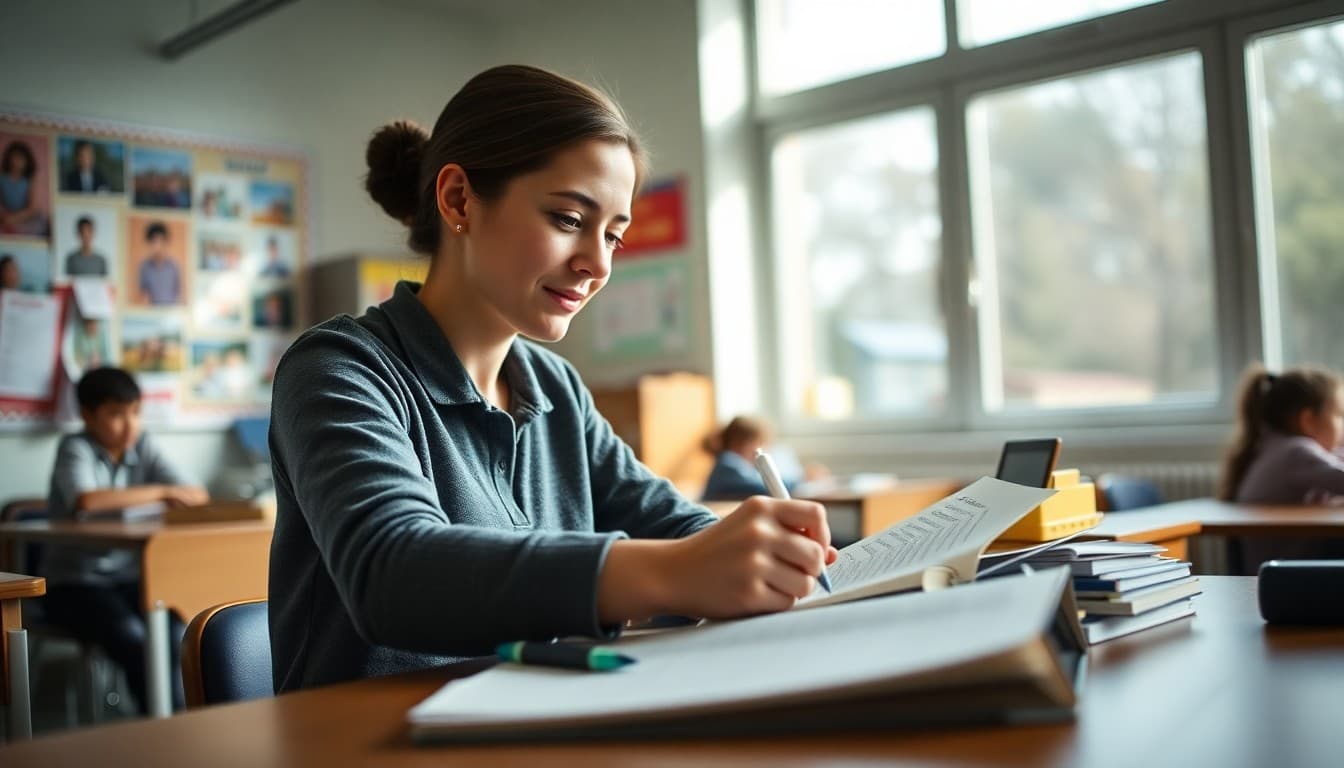
Storytelling Techniques for Your School Newsletter
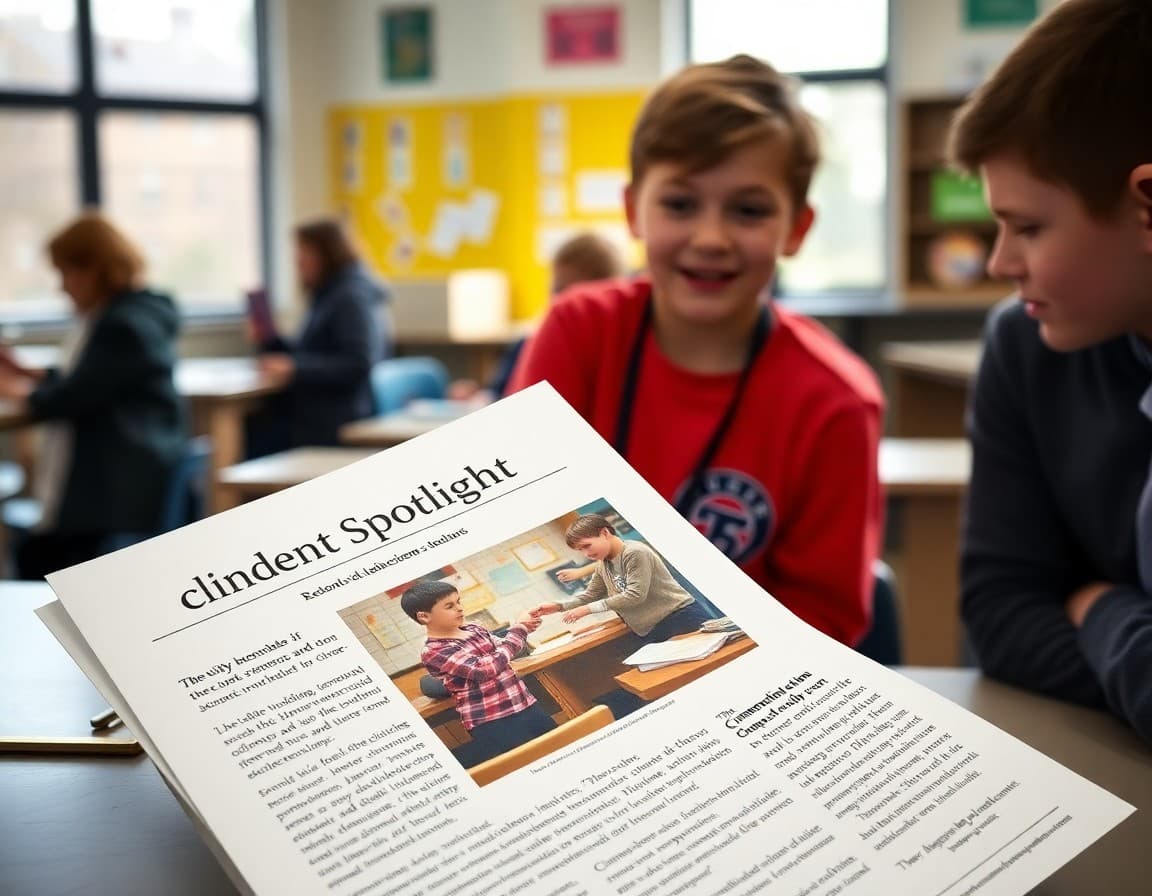
A newsletter that says "We are studying fractions this week" is accurate but forgettable. A newsletter that says "On Tuesday, a student asked why half of a pizza and half of a grape are the same fraction but obviously not the same amount of food, and the whole class spent 20 minutes on that question" is specific, interesting, and gives parents something to bring home. That is storytelling, and it takes one extra sentence.
Why One Story Outperforms Five Facts
Parents receive a lot of information from schools. Dates, announcements, reminders, policies. What they receive much less often is a window into what school actually feels like for their child on a given day. A single specific story does more to strengthen the home-school connection than a thorough list of curriculum standards covered this week. It also gets remembered. Parents recall a specific classroom moment months later. They rarely recall an announcement.
The Scene-Setting Opening
Start a newsletter story with a scene, not a topic statement. Instead of "This week we worked on expository writing," try: "On Wednesday morning, the class had five minutes to explain to a fictional alien how to make a peanut butter sandwich." The scene puts the reader inside the classroom before they know what the curriculum point is. They are already curious about what happened next.
The Before-and-After Structure
One of the most effective short story structures for newsletters shows a shift: a student who did not understand something and now does, a class that thought one thing and now thinks differently, a problem that seemed insurmountable that got solved by Friday. The before-and-after structure implies growth without narrating it in detail. "Earlier this week, most of the class was convinced that multiplication was just repeated addition. By Thursday, they were arguing with each other about why that explanation does not hold for negative numbers." That is a story about learning.
Using Quotes Without Naming Students
A well-placed quote from an unnamed student can carry a whole story. "One student asked: 'If plants eat sunlight, are they technically predators?'" puts a real classroom voice into the newsletter without identifying anyone. Quotes feel specific because they are specific. They remind parents that there are real children in this classroom having real thoughts. With the student unnamed, the quote is privacy-safe and still gives parents something concrete.
Stories About the Class, Not Just Individuals
The safest stories to tell are about what the class as a whole did or discovered. "The class voted on which biome they wanted to study first. Rainforest won by a wide margin, which surprised no one." This kind of story requires no individual identifiers and still creates a sense of a living, specific community that parents can imagine their child being part of.
What Makes a Good Newsletter Story
A good newsletter story has three elements: a specific moment or scene, one thing that happened or changed, and a clear reason it is worth sharing. It does not require a resolution. A story about a question the class is still working through is more interesting than a tidy lesson with a clear conclusion. Real learning is often messy and unresolved. That is what parents want to know about.
Building the Story-Finding Habit
The barrier to storytelling in newsletters is usually not skill. It is capture. Interesting moments happen every day and disappear unless you write them down. Keep a note on your phone during the school day. One sentence is enough: "The volcano question." "Maya's sandwich explanation." "The whole class wrong about magnets." By Thursday you have five candidates and writing the story takes two minutes.
Get one newsletter idea every week.
Free. For teachers. No spam.
Frequently asked questions
Why does storytelling improve school newsletter engagement?
Narratives activate the brain differently than lists and announcements. When a newsletter describes a specific moment: a student figuring something out, a class debate about a science question, a book that sparked an unexpected discussion, parents can picture it. They talk about it with their child. The newsletter becomes a bridge between school and home rather than a one-way information stream. Stories are the mechanism that creates that bridge.
How long should a story be in a school newsletter?
Three to five sentences is usually enough to create a moment and land the point. A newsletter story is not a feature article. It is a window: one specific scene, one clear takeaway. The goal is to give parents something concrete enough to ask their child about at dinner: 'I heard you were debating which planet has the most interesting weather today.'
How do I find stories to tell in my school newsletter?
The best newsletter stories are not planned. They come from the moments you notice during the school day: the question a student asked that surprised you, the way two students argued productively about a math problem, the moment a class concept clicked for a student who had been struggling. Keep a note on your phone. When something happens that you want to remember, write it down in one sentence immediately. By newsletter time, you have four or five candidates to choose from.
How do I tell stories about students without violating privacy?
Use first names only with parent permission, or describe the moment without naming the student: 'One student asked a question this week that stopped the whole class.' Focus on the learning moment rather than the individual. Avoid any detail that could identify a student to others in a way the family has not consented to. When in doubt, the story is more about what the class did than about any specific student.
Can Daystage help structure storytelling in newsletters?
Daystage's paragraph block with the title and body section supports the kind of short narrative structure that works for newsletter storytelling. You can use the section title as the story hook, such as 'The question nobody expected', and the body for the two to four sentence story. This structure makes the story section visually distinct from the dates-and-logistics sections, so readers know they are getting something different.

Adi Ackerman
Author
Adi Ackerman is a former classroom teacher and curriculum writer with 8 years in K-8 schools. She writes about school communication, parent engagement, and what actually works in real classrooms.
More for Guides
Ready to send your first newsletter?
3 newsletters free. No credit card. First one ready in under 5 minutes.
Get started free