
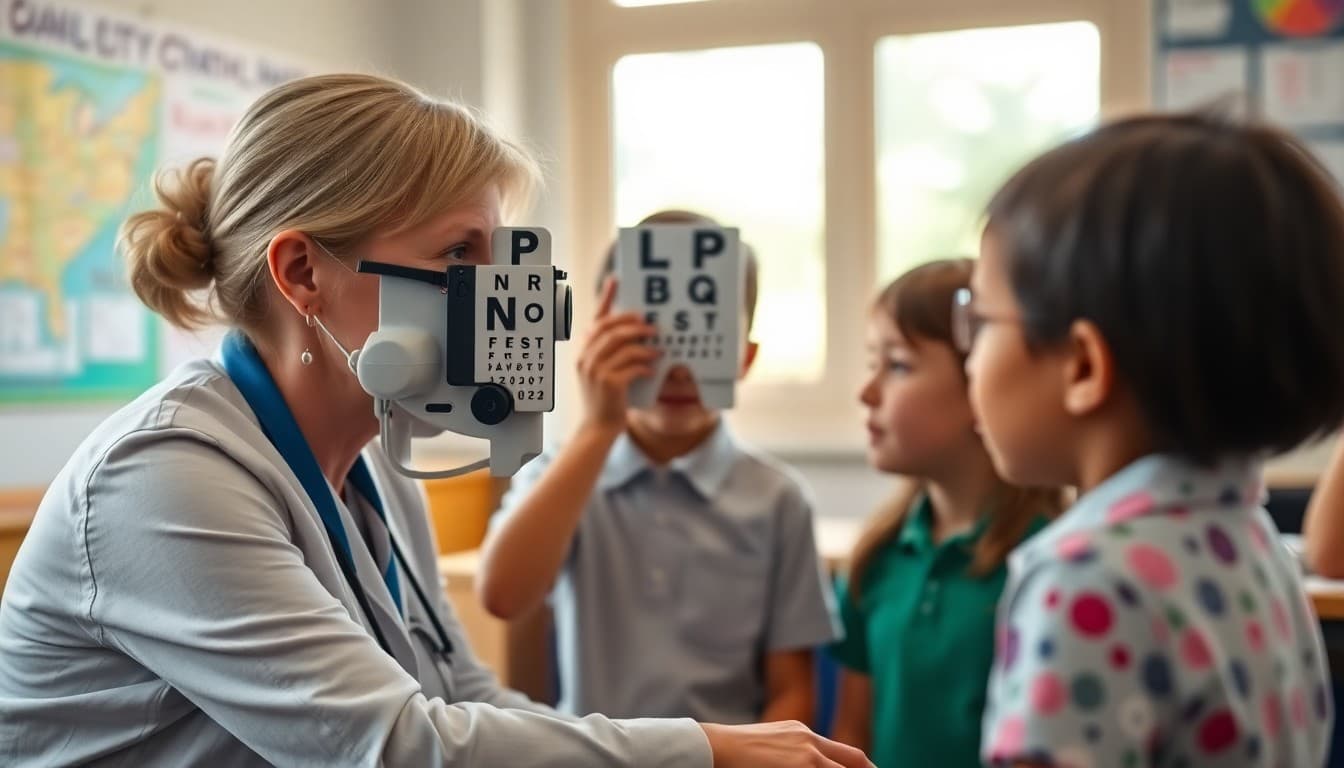
School Newsletter: Hearing and Vision Screening Communication
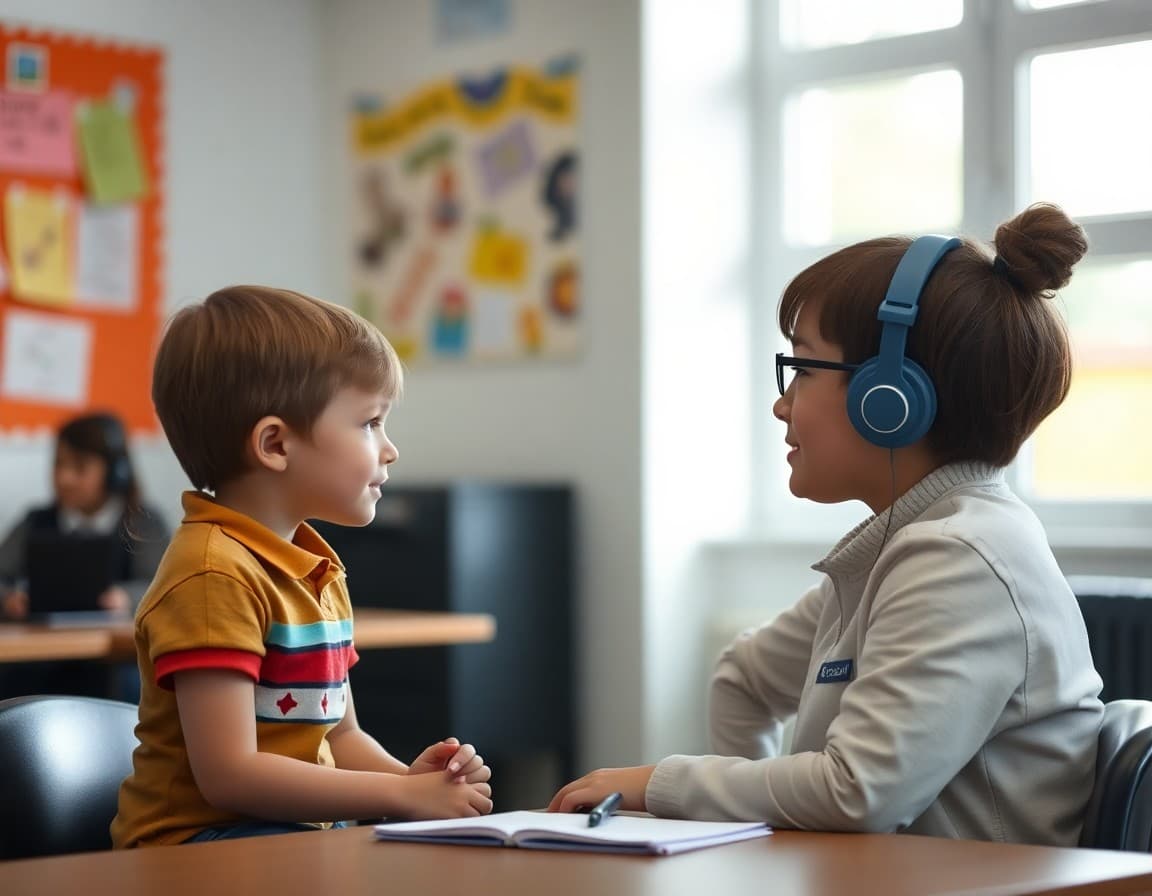
School vision and hearing screenings catch real problems that families sometimes do not know to look for. A child squinting at the board may not tell their parents because they have always seen that way and assume it is normal. A student who misses verbal instructions might be labeled inattentive rather than hard of hearing. The newsletter announcement that precedes a screening is more important than it looks because it sets up the conversation that happens if a concern is identified.
Announce Dates and Grade Levels Early
Give families at least one week's notice before screenings begin. Include the specific dates, which grade levels are being screened, and where the screening will take place in the building. If screenings happen over multiple days, a quick schedule helps families know when their child's class will be seen.
Example: "Vision and hearing screenings for students in grades K, 1, 3, 5, and 7 are scheduled for October 8th through 10th. Screenings take place in the nurse's office. Each student's screening takes approximately 10 minutes."
Explain What the Screening Involves
Many students, especially younger ones, feel nervous about anything that sounds medical. A brief, matter-of-fact explanation of what happens reduces anxiety. For vision: students will read letters or identify shapes on a chart from a standard distance. For hearing: students wear headphones and raise their hand when they hear a tone.
Note that screenings are not diagnostic tests and that referrals for further evaluation by a private provider do not necessarily mean a child has a serious problem.
Clarify Consent Requirements
Address consent directly. If your state treats routine screenings as covered by general enrollment consent, say so. If a separate opt-out form is available for families who do not want their child screened, include it or link to it. Handling this clearly in the newsletter prevents families from showing up the day after screenings asking why their child was screened without specific permission.
Template Excerpt for Hearing and Vision Screening Announcement
Here is a structure to adapt:
"[School Name] will conduct routine vision and hearing screenings for students in grades [list] from [start date] to [end date]. These screenings are brief, non-invasive, and conducted by our school nurse. If your child typically wears glasses or hearing devices, please ensure they have them at school on their screening day. You will receive a letter home only if your child's results suggest a follow-up appointment with a private provider is recommended. If you have questions or wish to discuss your child's participation, contact Nurse [Name] at [email or phone]."
Explain the Follow-Up Process
The most important information for families is what happens if their child's screening suggests a concern. Walk through the process: the school nurse will send a letter home with the specific concern noted, the letter will include a recommendation to follow up with the child's pediatrician or an optometrist or audiologist, and any follow-up care is the family's responsibility and at their own cost.
If your school has resources to help families who cannot afford follow-up care, such as a connection to a local Lions Club vision program or a community health clinic, include that information here.
Address What "Failing" the Screening Actually Means
Families who receive a referral letter often worry more than is necessary. Use the newsletter to normalize follow-up. Approximately 20 percent of school-age children have a vision problem significant enough to affect their learning, and many have never been identified. A school screening that catches a problem early is doing its job correctly.
Note When Results Are Not a Surprise
Some families have children who are already under the care of an eye doctor or audiologist. If that is the case, they can simply bring the letter to their child's next appointment. A brief note to this effect saves families from worrying that they need to schedule something urgently.
Mention the Importance of Follow-Through
Schools sometimes find that follow-up rates on screening referrals are lower than expected. A sentence in the newsletter that explains why follow-through matters makes a difference. Vision and hearing problems that go uncorrected affect reading, writing, classroom participation, and social development. Finding out early and addressing it quickly is one of the most impactful things a family can do.
Get one newsletter idea every week.
Free. For teachers. No spam.
Frequently asked questions
What should a school newsletter include when announcing hearing and vision screenings?
Include the screening dates, which grade levels will be screened, what the screening process involves, whether consent is required or assumed, what happens if a concern is identified, and how families will receive results. Also note whether students can opt out and, if so, what the process for that is.
Are parental consent forms required for school vision and hearing screenings?
Requirements vary by state. Many states treat routine vision and hearing screenings as covered under the general enrollment consent that parents sign at the start of the year. Some states require separate consent for specific screenings. Check your state's requirements and note in the newsletter whether any additional consent is needed from families.
How do schools communicate screening results to families?
Typically, families only receive notification if a concern is identified that warrants follow-up with a private provider. Schools generally send a letter home for students whose results suggest a referral is needed. In the newsletter announcement, explain this process so families know what to expect: no news usually means the screening was passed.
What should families do to prepare their child for a school screening?
For vision screenings, students do not need to do anything special, but families should make sure their child has their glasses or contacts if they typically use them. For hearing screenings, a child with an active ear infection or significant cold symptoms may have temporarily affected results; families can notify the nurse in advance if this applies.
What newsletter tool helps schools send health screening reminders to specific grade levels?
Daystage lets you target newsletter messages to specific grade levels, which matters for screenings that only apply to certain grades. Rather than sending a k-12 notice about a screening that only affects grades 1, 3, and 5, you can send a targeted message to exactly the right families.

Adi Ackerman
Author
Adi Ackerman is a former classroom teacher and curriculum writer with 8 years in K-8 schools. She writes about school communication, parent engagement, and what actually works in real classrooms.
More for Guides
Ready to send your first newsletter?
3 newsletters free. No credit card. First one ready in under 5 minutes.
Get started free