
School Newsletter: Dental Health Screening Communication Guide
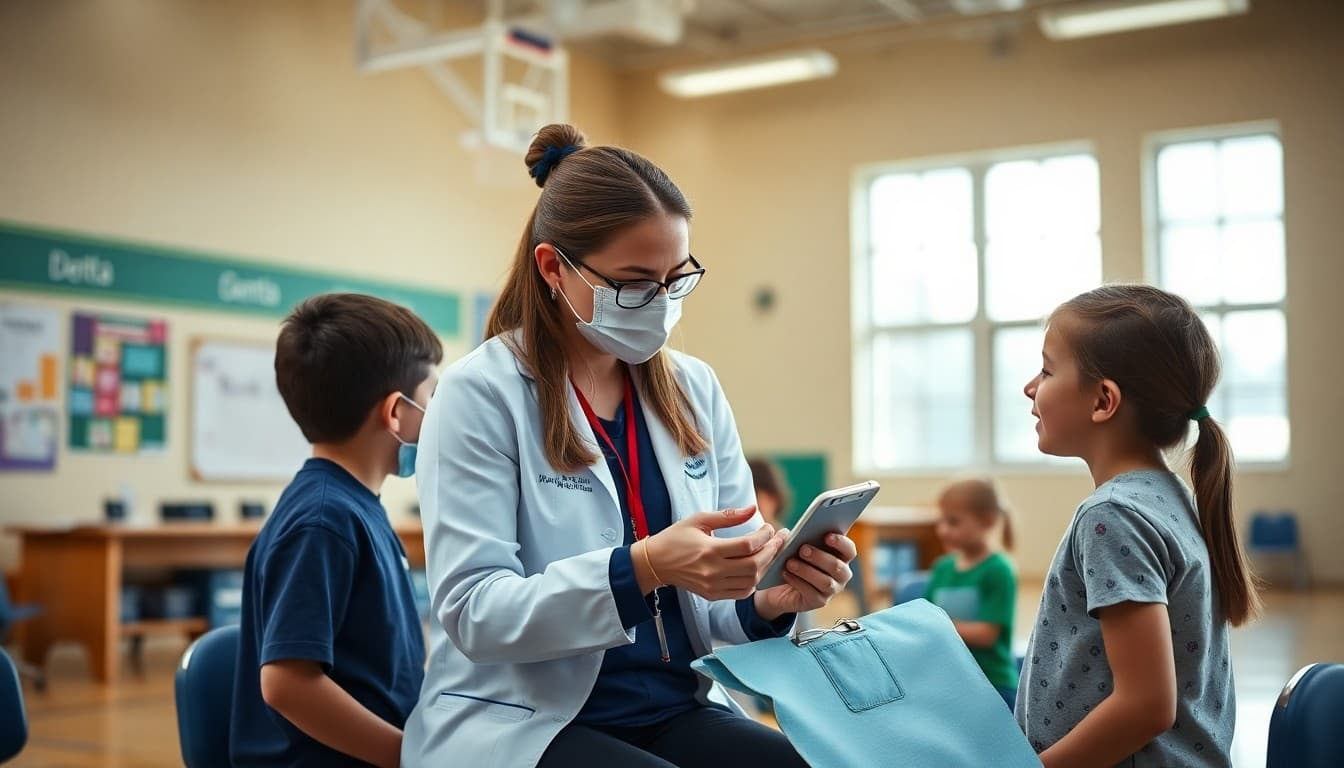
School dental screenings reach children who would not otherwise see a dentist. About 1 in 5 school-age children have untreated tooth decay, and unaddressed dental pain is one of the leading causes of school absences and difficulty concentrating. The newsletter announcement is your opportunity to frame the screening as the valuable health resource it is and get families prepared to follow through on referrals.
State the Basics Early
Lead with the essential information: when the screening will occur, which grades are included, who will conduct it, and how long it takes. Families want to know whether to expect anything special that day and whether they need to do anything beforehand.
Example: "Dental health screenings for students in grades K, 1, 3, and 6 are scheduled for [Date]. Screenings are conducted by [Name/Organization], a licensed dental hygienist. Each screening takes approximately five minutes. Students do not need to do anything special to prepare."
Explain What the Screening Does and Does Not Do
Many families assume a school dental screening replaces a dentist visit. It does not, and saying so clearly prevents misunderstandings. A school screening is a visual check that identifies obvious concerns; it is not a full examination, does not include X-rays, and does not clean teeth or provide treatment. Students whose screening results suggest a concern should still see a dentist.
This is also the right place to clarify that a clean screening result does not mean a child should skip their regular dental checkup. Routine exams by a dentist every six months are still recommended regardless of school screening results.
Address Consent Requirements for Your State
Dental screening consent requirements vary. In Illinois, for example, dental screenings are required for students in kindergarten, second, and sixth grade, with results documented on a state form. In other states, screenings are voluntary programs with opt-in consent forms. Know your state's requirement before communicating and match your language accordingly.
If consent forms are required, attach them to the newsletter or include a link to the digital version. Set a clear return deadline at least three days before the screening date.
Template Excerpt for Dental Screening Announcement
Here is a structure to adapt:
"[School Name] will host a dental health screening for students in grades [list] on [Date]. Screenings are conducted by [Organization/Provider] and take approximately five minutes per student. This is a visual screening only and does not replace a full dental exam. If your child's screening identifies any concerns, you will receive a referral letter within [X] days with recommended follow-up. No advance preparation is needed. If you have questions or wish to speak with the school nurse before the screening date, contact [Nurse Name] at [contact information]."
Include Resources for Families Without Dental Coverage
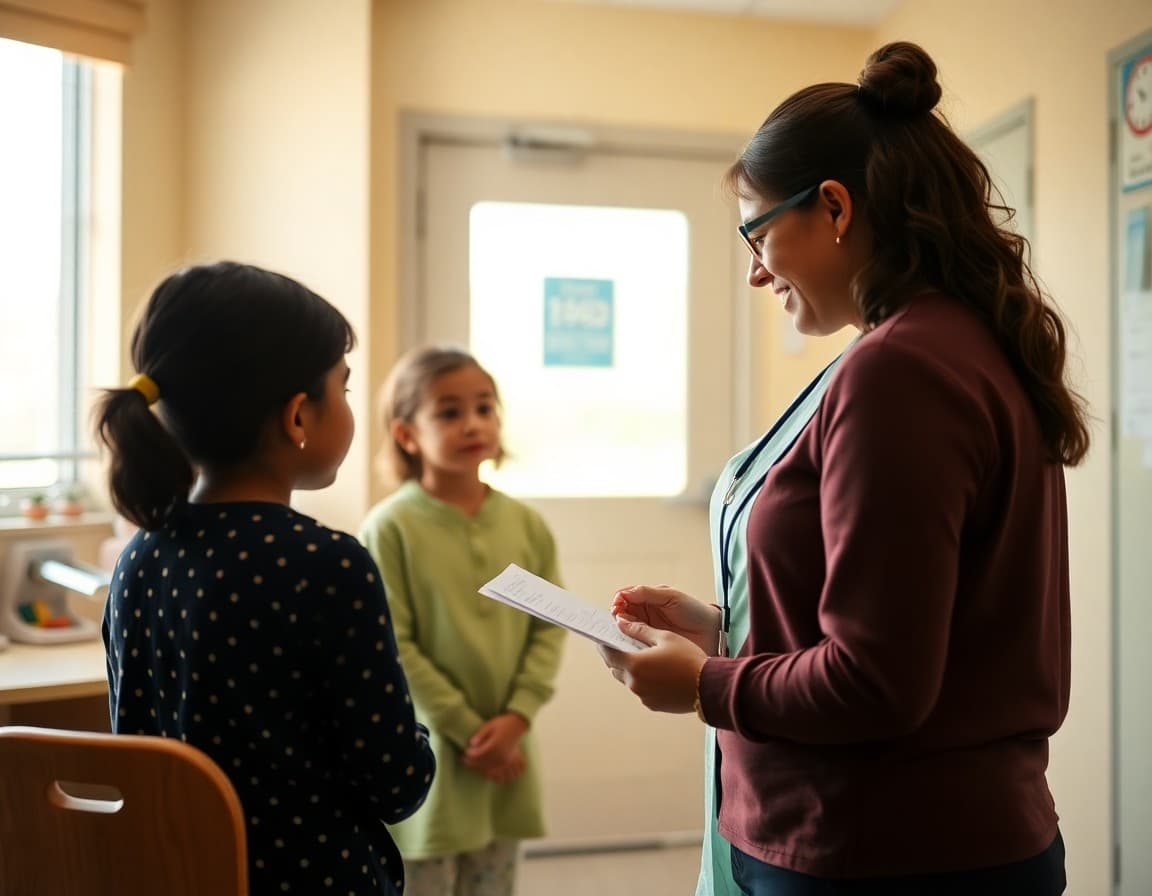
Do not wait until after a referral to share dental care resources. Including a brief list in the announcement itself helps families who already know they need to find a provider and removes the awkwardness of bringing it up after a referral letter arrives.
Useful resources: your state's CHIP or Medicaid dental coverage information, the nearest Federally Qualified Health Center (findahealthcenter.hrsa.gov), and any local free clinic or dental school that serves pediatric patients. Even one well-chosen resource is more useful than none.
Normalize the Screening as Routine Health Care
Families sometimes feel embarrassed or defensive if their child receives a dental referral. Use the newsletter to normalize the entire process. One in five children has untreated tooth decay. Most dental problems identified in school screenings are early-stage and straightforward to treat. Catching something early is exactly what the screening is designed to do.
Coordinate with Classroom Teachers
Let teachers know the screening schedule so they can manage classroom transitions and answer student questions. Students who are anxious about medical screenings may have questions that are better answered by a familiar adult. A brief heads-up to teachers about what to expect and how to reassure students reduces disruption on screening days.
Follow Up in the Newsletter After Screenings
A brief line in the following week's newsletter acknowledging that screenings are complete and referral letters have been sent reassures families who are waiting. It also signals to families who did not receive a letter that no news is good news, which reduces the number of concerned calls to the school nurse.
Get one newsletter idea every week.
Free. For teachers. No spam.
Frequently asked questions
Are school dental screenings required in every state?
No. Dental screening requirements vary significantly by state. About 17 states require some form of dental health screening or certificate as part of school enrollment, including Illinois, Massachusetts, New York, and California. Many other states offer programs voluntarily. Check your state's requirements with your district's health services coordinator before communicating the program to families.
What does a school dental screening actually involve?
A school dental screening is typically a brief visual examination of the mouth by a dental professional or trained health staff, not a full dental exam. The screener looks for obvious signs of tooth decay, gum disease, or other concerns visible without X-rays. It takes about three to five minutes per student and identifies children who should see a dentist for more thorough evaluation.
How should schools communicate dental screening results to families?
Schools typically only notify families if a concern is identified. A letter home should specify what was observed (for example, visible signs of decay in two molars), recommend follow-up with a dentist, and include any resources available for families who need help accessing dental care. Results should never be communicated in a way that embarrasses the student.
What resources can schools share for families who lack dental insurance?
Community health centers and Federally Qualified Health Centers (FQHCs) offer sliding-scale dental services. Many state Medicaid programs cover dental care for children. Dental schools in the area often provide low-cost care. Local Donated Dental Services programs connect patients with volunteering dentists. Including this information with the screening announcement proactively helps families who need it most.
What newsletter platform helps schools send targeted health communications?
Daystage lets you target health screening announcements to specific grade levels and include embedded consent form links. For a screening program that only applies to certain grades, targeted sending keeps the communication relevant and reduces the clutter of school-wide messages that do not apply to a significant portion of families.

Adi Ackerman
Author
Adi Ackerman is a former classroom teacher and curriculum writer with 8 years in K-8 schools. She writes about school communication, parent engagement, and what actually works in real classrooms.
More for Guides
Ready to send your first newsletter?
3 newsletters free. No credit card. First one ready in under 5 minutes.
Get started free