

School Newsletter: Neighborhood Crime Alert Safety Communication
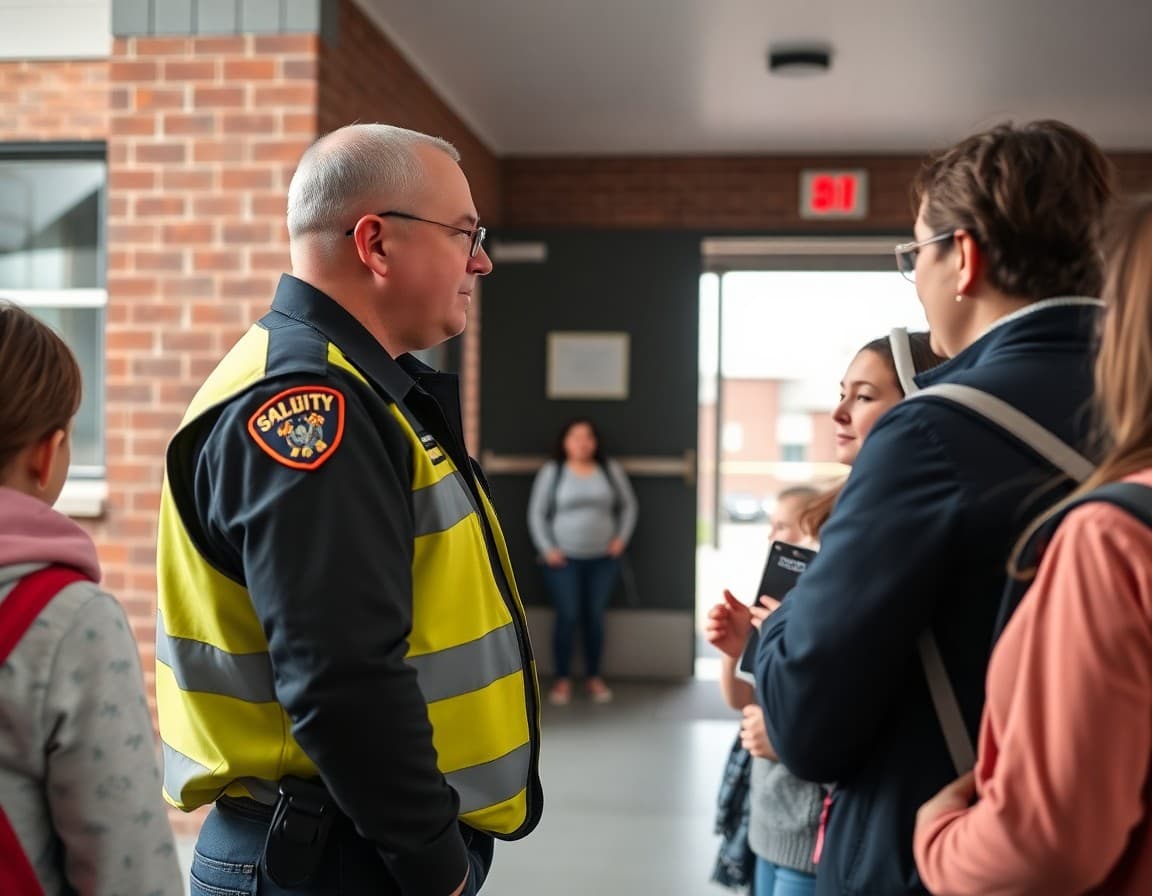
A neighborhood crime alert from a school carries more weight than a neighborhood app notification because families trust the school to filter information that is specifically relevant to their child's safety during the school day and commute. The newsletter has to justify that trust with specific, actionable information. A vague warning is worse than no warning because it produces anxiety without providing any means to act on it.
State the specific incident clearly in the first paragraph
"We are writing to inform our school community about a safety incident that occurred [on/near] a common student walking route. On [date] at approximately [time], [brief description of the incident: an adult in a gray van approached two students near the intersection of X and Y Streets and asked them to get in the vehicle / a student was approached by an individual who attempted to take their backpack on Z Avenue]. The students were not harmed and reported the incident to school staff immediately."
That opening names the specific incident with enough detail to be useful. Families who walk that route know whether their child was in the area at that time. Families on other routes know the risk is location-specific, not a general threat to all students.
Describe the law enforcement response
"We reported this incident to [police department] immediately. Officers have been informed of the location and time. [An investigation is underway / Police have been advised to increase patrols in the area / A suspect description is available and is being circulated by law enforcement.] We are coordinating with our school resource officer and will update families if law enforcement provides additional information."
Give specific safety guidance for the walking route
Base this on the specific incident and location. "We recommend the following precautions for students who walk to or from school: Avoid [specific street or area] until further notice. Use [alternate route] instead, which is [brief description]. Walk with at least one other person. If anyone in a vehicle approaches you and asks you to get in, walk away immediately in a public direction and tell a trusted adult. Text or call a parent when you leave school and when you arrive home. If you see anything that makes you feel unsafe, go to the nearest open business or residence and call 911."

Describe any changes to school safety procedures
"In response to this incident, we are taking the following steps: An administrator will be at the front entrance during morning arrival and afternoon dismissal for the next week. We have asked local police to increase their presence near the school during arrival and dismissal. We have reminded all students about our personal safety protocols using age-appropriate language in their classrooms today. Students who walk home alone may request to wait in the school office until an adult arrives to walk with them, at no request needed."
Provide a description of the suspect or vehicle if available
If law enforcement has authorized the release of a suspect or vehicle description, include it. "Law enforcement has described the individual involved as follows: [physical description if provided]. The vehicle involved was described as [description: gray Ford van, no visible license plate]. Please share this information with your student and instruct them to call 911 and contact a trusted adult immediately if they see this individual or vehicle."
Close with contact information and the update plan
"We will share any additional information from law enforcement as we receive it. If your student has information about this incident that has not yet been reported, please contact [name] at [email] or call the non-emergency police line at [number]. For questions about school safety procedures, please contact [principal name] at [email]. The safety of our students during their commute is a shared responsibility between the school, families, and our wider community."
Get one newsletter idea every week.
Free. For teachers. No spam.
Frequently asked questions
When should a school communicate about neighborhood crime to families?
A school should communicate when the crime or safety concern is likely to directly affect students traveling to or from school. This includes incidents along common walking routes, crimes targeting individuals in the age range of your students, a car that has been observed following or approaching students, or an incident at a location that students frequently pass. A general increase in neighborhood crime that does not specifically threaten students during school travel may not require a formal school newsletter, though it may warrant a brief mention in the regular monthly newsletter.
How do you communicate a crime alert without creating panic?
Lead with the specific, factual information about the incident. Avoid vague language like 'there have been reports of suspicious activity' that leaves families imagining something worse than the reality. Name what happened, where, and when, with enough specificity to be useful but not so much that it creates unnecessary fear about the general safety of the area. Then immediately follow with concrete actions families and students can take. A communication that describes a specific incident and gives specific prevention guidance produces actionable concern. One that describes vague threats produces unfocused anxiety.
What safety guidance should a school give to walking students?
The guidance should be specific to the incident. If a stranger approached students near a specific intersection, tell students to use alternate routes avoiding that block. If a vehicle was involved, describe the vehicle and tell students to memorize it and report it immediately if they see it. General guidance includes: walk with at least one other person, avoid shortcuts through alleys or wooded areas, tell a trusted adult immediately if anyone approaches them, do not stop for anyone who asks for directions from a car, and use the school's reported route map if your district has one. Pair each general guideline with the specific incident context.
How does a school coordinate with law enforcement on a neighborhood crime communication?
Contact your school resource officer or local police liaison before sending the community newsletter about a crime incident. Law enforcement may have information about the investigation that should or should not be included in your communication, may have additional safety recommendations specific to the incident, and should be aware that families are being notified so they can increase their presence in the area if warranted. Coordinating with law enforcement before sending the newsletter also ensures the school's communication is consistent with the official police communication to the neighborhood.
Can Daystage help schools send neighborhood safety alerts to families?
Yes. Neighborhood safety alerts need to go out quickly and reach all families at once. Daystage lets you draft the communication, review it, and send it to all families in a professional format. Schools in areas where neighborhood safety concerns arise periodically benefit from having a safety communication template ready to update and send quickly when needed.

Adi Ackerman
Author
Adi Ackerman is a former classroom teacher and curriculum writer with 8 years in K-8 schools. She writes about school communication, parent engagement, and what actually works in real classrooms.
More for Guides
Ready to send your first newsletter?
3 newsletters free. No credit card. First one ready in under 5 minutes.
Get started free