
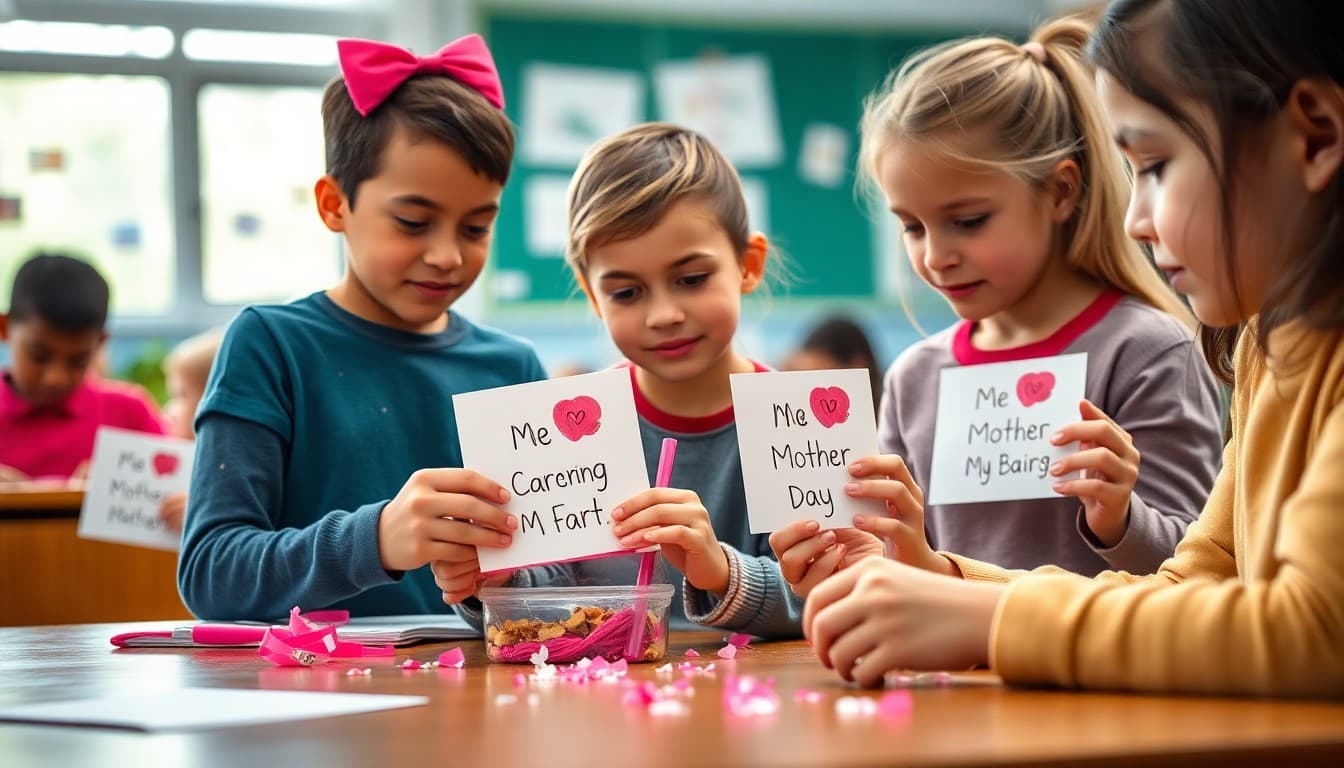
School Newsletter: Mother's Day Edition Ideas and Template
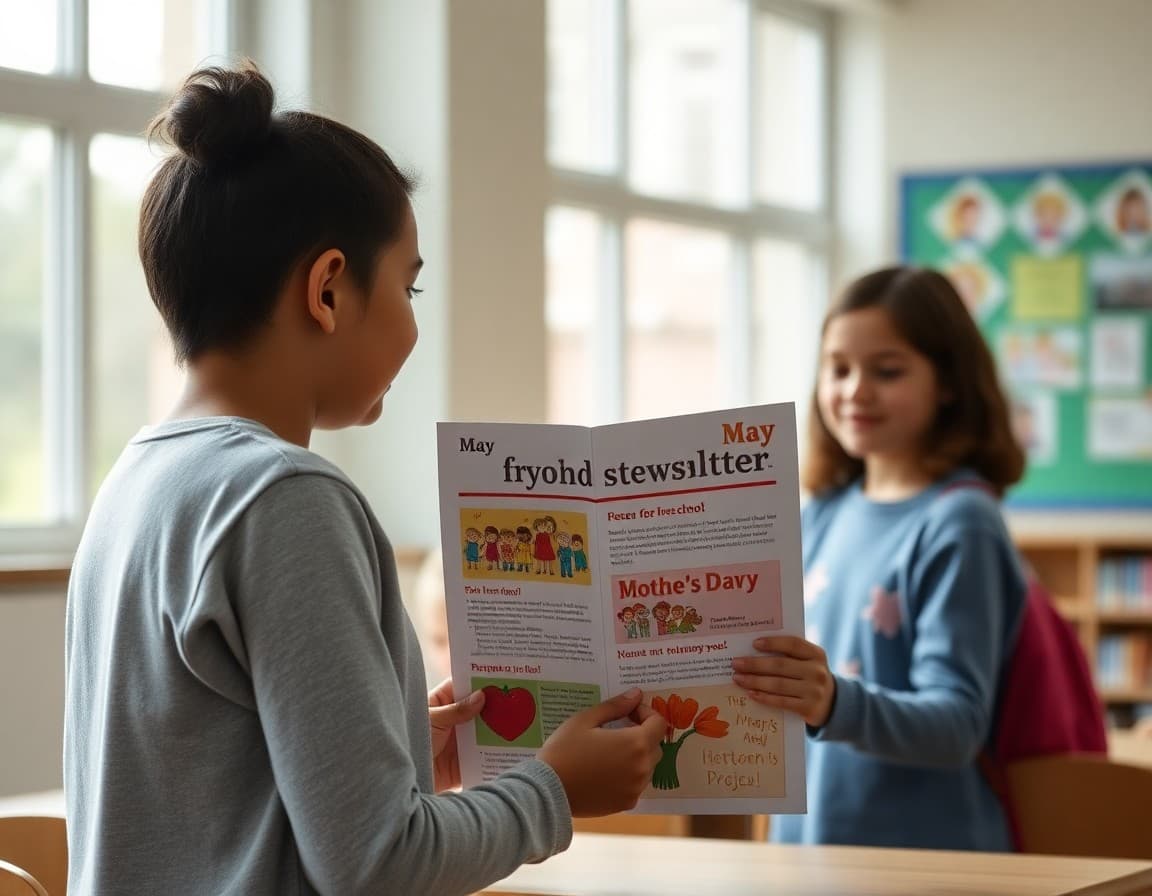
The May newsletter serves two simultaneous purposes: celebrating the caregiver relationships at the heart of every student's educational journey, and walking families through the logistics of the final weeks of school. Getting both right in one newsletter takes intentional structure. Here is how to do it without the issue feeling like two different newsletters stapled together.
Setting the May Tone
May is a month of mixed emotions in the school community. Students are excited for summer and exhausted from the end of year push. Teachers are balancing final assessments with celebration planning. Parents feel the calendar compressing as events cluster in the final three weeks. The principal's message should acknowledge all of this authentically. "May is our busiest and in some ways our most meaningful month. The work students have done since September shows up in everything they share this month, in performances, in projects, in the way they carry themselves in the hallways." That kind of specific, observational opening earns parent attention before the operational content begins.
The Caregiver Celebration Event
If your school hosts a Mother's Day or Caregiver Breakfast, give it its own clearly labeled section. Include everything families need to attend and nothing they do not. Example:
Special Guest Breakfast: Tuesday, May 6, 8:00 - 9:00 AM
Students will welcome caregivers, grandparents, and special guests to a morning celebration including student performances and handmade gifts. The event is open to all family configurations; every student is encouraged to invite one important person in their life. Light refreshments will be served. Space is limited to 2 guests per student. RSVP by May 1 at [LINK].
The "every student is encouraged to invite one important person in their life" language is inclusive without making any family feel their configuration is being corrected.
What Students Are Making
Parents love knowing what their child is creating before they receive it. Mention student projects in the newsletter without revealing the final product if surprise is part of the gift. "Students have been working on a special project in art class for the past two weeks. We are not giving away any details, but Ms. Davis says it is her favorite project of the year." This creates anticipation and signals to parents that the school is investing real instructional time in the caregiver celebration, not just printing a coloring page.
End-of-Year Dates Block
Every May newsletter needs a comprehensive end-of-year dates section. Parents plan vacations, childcare, and work schedules around these dates. Include:
May 16 , Field Day (rain date May 20)
May 22 , Last field trip, 2nd grade to botanical garden
May 28 , Memorial Day, no school
May 29 , 5th grade step-up ceremony, 10 AM, gymnasium
Jun 2 , Last day of school (half day, noon dismissal)
Jun 2 , Library books and materials due
Jun 2 , Summer reading program information sent home
Jun 9 , Office open for records requests, 9 AM - 12 PM only through August
Summer Transition Content
Alongside the celebratory May content, include practical summer preparation information. Summer reading program registration (most public libraries open registration in May), summer school enrollment deadlines if applicable, any required immunizations for the following school year, and school supply lists for the next grade level if your district publishes these in May. Families who receive this information in May have more time to prepare than those who receive it in August. The newsletter that provides early, accurate transition information becomes the one families rely on most.
Acknowledging the School Community
May is the appropriate time for a broader school community thank-you in the newsletter. Thank volunteers, room parents, PTA board members, and community partners who contributed throughout the year. Keep this to a brief, specific recognition rather than a list of every name. "Our PTA organized 38 events this year with the help of more than 120 parent volunteers. That work made a visible difference in what students experienced every week. Thank you." Specific numbers are more meaningful than general gratitude. They demonstrate that the school actually noticed and quantified the effort.
Get one newsletter idea every week.
Free. For teachers. No spam.
Frequently asked questions
How should schools approach Mother's Day in newsletters inclusively?
Use 'special people in your life' or 'caregivers who love you' language alongside or instead of 'Mother's Day' in official newsletter communications. Some students are raised by grandparents, same-sex parents, single fathers, foster families, or other configurations where 'Mother's Day' is complicated. In the classroom, most schools now invite students to make gifts for 'a special person,' and the newsletter can reflect this same inclusive framing. You can acknowledge Mother's Day by name in one sentence while orienting the school event content around caregivers broadly.
What school activities typically happen around Mother's Day?
Many elementary schools host a Mother's Day or Special Guest breakfast or luncheon in the week before Mother's Day (the second Sunday in May). Students perform songs or readings, present handmade gifts, and families come together for a morning event. The newsletter announcing this event should include the exact date and time, whether siblings and other family members are welcome, what students will be doing, and any food or logistics details. If the event is grade-specific or has limited capacity, registration instructions should appear prominently.
Is it appropriate for the school newsletter to include Mother's Day gift ideas?
A brief mention of what students are making in class is appropriate and interesting to families. A dedicated gift guide section is not. The school newsletter is a communication channel, not a promotional platform. The only exception might be a PTA fundraiser selling flowers or school-branded gifts for the occasion, which belongs in the fundraising section rather than as newsletter editorial content. Limit Mother's Day gift content to describing student projects that parents will receive, which is genuinely useful information.
What end-of-year content should the May newsletter cover alongside Mother's Day?
Last week of school procedures, promotion and graduation ceremony dates and logistics, summer school enrollment (if applicable), summer reading program information from the public library, materials collection dates when students clear out desks and lockers, final grade reporting dates, and summer contact information for the school office. May newsletters are among the most read because families are looking for specific end-of-year logistics. The Mother's Day theme gives May a warm tone while the operational content delivers on what families actually need.
Does Daystage support family-friendly spring newsletter designs for May?
Yes. Daystage's May newsletter template uses warm, celebratory colors appropriate for both Mother's Day and end-of-year content. The template includes a hero image block ideal for a class photo or school garden image, which pairs well with May's outdoor content. Schools using the May template can add a personal message from the principal in the top section and fill in the standard calendar and action item blocks below without starting from scratch.

Adi Ackerman
Author
Adi Ackerman is a former classroom teacher and curriculum writer with 8 years in K-8 schools. She writes about school communication, parent engagement, and what actually works in real classrooms.
More for Guides
Ready to send your first newsletter?
3 newsletters free. No credit card. First one ready in under 5 minutes.
Get started free