
Where to Find School Newsletter Inspiration When You Are Stuck
Every newsletter writer hits a week where nothing comes to mind. The calendar looks empty, last week's topic feels too recent to revisit, and the blank editor is not helping. Here is where to look when inspiration does not arrive on its own.
Walk Your Building on Purpose
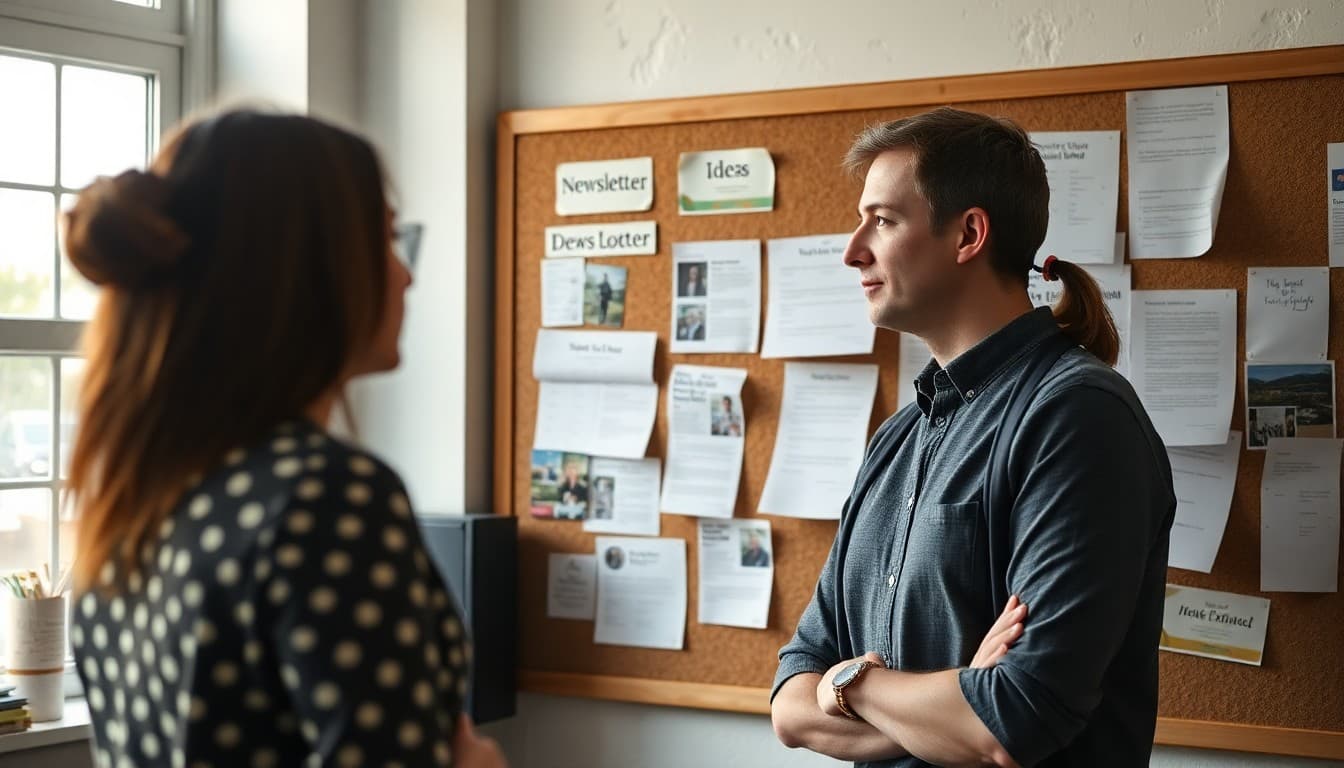
The best school newsletter topics are already happening around you. Walk the hallways slowly, look at what is posted on classroom doors, peek into the library. Ask one teacher to show you something interesting their students made this week. Every school has constant activity that families never see unless someone writes about it. Your job is to notice and translate, not to invent something new.
Mine the Questions Parents Actually Ask You
Every recurring question you receive is a newsletter. If you are constantly explaining why homework is structured the way it is, write a newsletter about it. If parents frequently ask what happens if their child misses a test, that is a newsletter. If you find yourself restating the same drop-off policy every fall, that is a newsletter. Keep a running list of the questions that come up repeatedly and work through them one per issue.
Look at the Academic Calendar
Map your newsletter topics to the school year arc. Start of year routines, first assessment period, winter break preparation, second semester refresh, state testing season, end-of-year transitions. Each of those moments has obvious newsletter content attached to it. A 36-week school year with one predictable topic per major calendar marker already fills most of your content plan before you need to be creative.
Read Newsletters From Other Schools
Search for school districts that are known for strong communication and read their published newsletters. You are not looking to copy content, you are looking at how other educators frame topics, what stories they tell, and what structure they use. Reading ten newsletters from schools you admire will give you more ideas than an hour of brainstorming alone.
Ask Your Students What They Want Families to Know
Students are an underused source of newsletter content. Ask them directly: "What do you wish your parents understood about what we do in class?" or "What are you most proud of that families do not know about?" Those answers turn into genuine, specific newsletter content that feels fresh because it comes from real people rather than from editorial planning.
Build a Content Bank Throughout the Year
Inspiration is easier to find when you collect ideas in real time rather than searching for them on deadline. Keep a running document or a simple note on your phone where you drop ideas as they occur to you. A photo you take, a student quote you hear, a question that comes in by email. By the time you sit down to write, you will have more raw material than you need and inspiration stops being a constraint.
Revisit Topics From Last Year With New Angles
If you wrote about homework strategies in October last year, you can write about them again this October, because most of your readers are new. Even returning families benefit from a different angle on a familiar topic. Last year's homework newsletter might have been about quantity; this year's could be about when to let your child struggle. Daystage keeps your past newsletters accessible so you can see what you covered and identify new angles without starting from scratch.
Get one newsletter idea every week.
Free. For teachers. No spam.
Frequently asked questions
How do I come up with school newsletter ideas when nothing interesting seems to be happening?
Something interesting is always happening, it just may not feel news-worthy from inside the building. Walk a hallway and notice what students are working on. Ask a colleague what they are excited about teaching this week. Look at what questions parents asked you in the last month. Any of those is a newsletter.
How many newsletter ideas should I have ready before the year starts?
A content calendar with one topic per week through December is a solid start. You will not use all of them exactly as planned, but having a list removes the blank-page panic. Spend 30 minutes in August listing one idea per school week and you will have a working content plan through the year.
Can I use ideas from other schools without copying?
Yes. Topics are not proprietary. If another school sends a great newsletter about homework habits, write your own version from your own perspective about your own school. What matters is that your voice and your specific examples are real, not that no one has ever written about homework before.
What types of content consistently get high engagement in school newsletters?
Student stories and quotes, photos from classroom activities, specific tips parents can use at home tonight, event previews with what families will see, and direct honest answers to questions parents actually have. Anything that connects to real people and real actions in your school tends to outperform general information and policy reminders.
What tool helps teachers plan and write school newsletters consistently?
Daystage is built for school newsletter publishing. You can plan issues in advance, draft newsletters using a simple editor, and send them directly to family emails on a schedule. Having a tool that supports a consistent workflow makes it easier to produce newsletters regularly without them feeling like a chore.

Adi Ackerman
Author
Adi Ackerman is a former classroom teacher and curriculum writer with 8 years in K-8 schools. She writes about school communication, parent engagement, and what actually works in real classrooms.
More for Guides
Ready to send your first newsletter?
3 newsletters free. No credit card. First one ready in under 5 minutes.
Get started free