

School Newsletter Consistency Calendar: Planning for Success
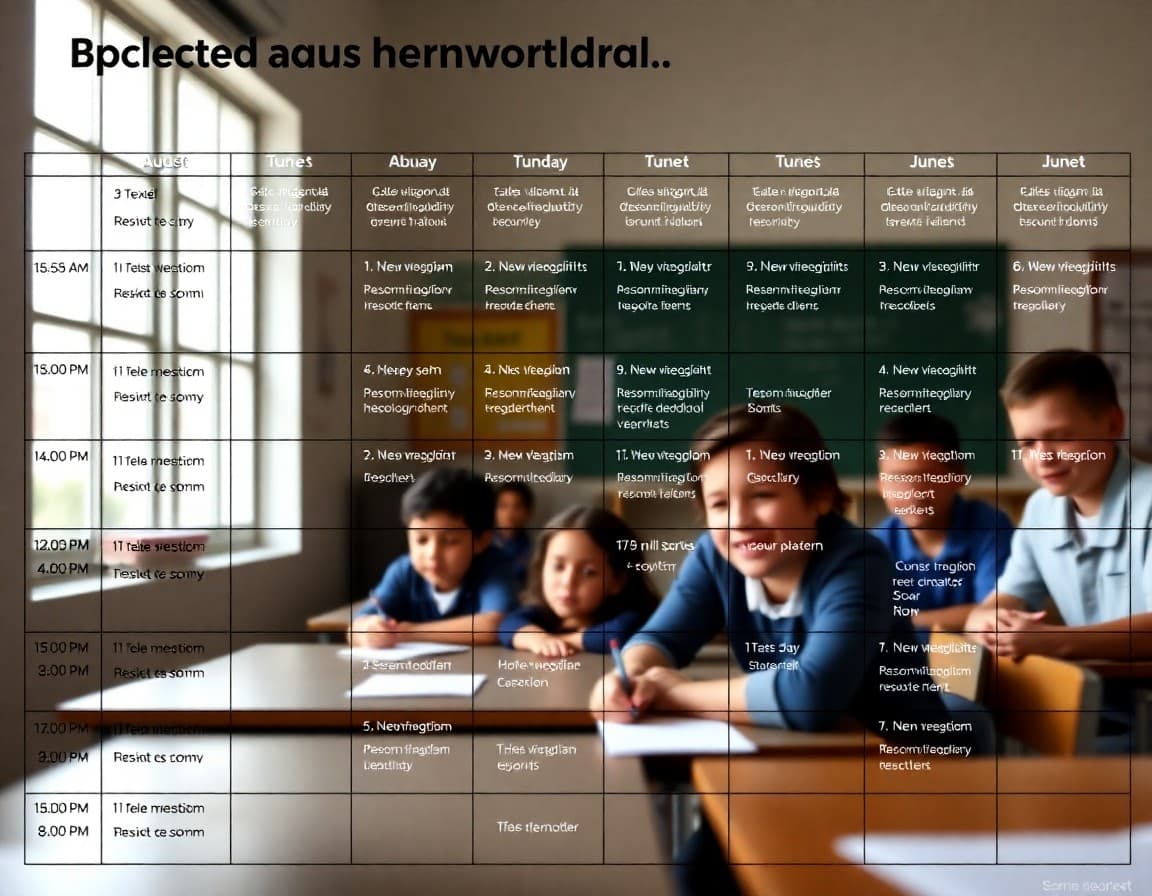
The schools with the most engaged newsletter audiences are almost always the ones that publish consistently. Not always perfectly, but reliably. A family who expects a newsletter Tuesday morning will look for it. A family who never knows when one might arrive will stop looking. Consistency is built through planning, not willpower.
Start With the School Calendar as Your Backbone
Open your school calendar and mark the dates that already generate newsletter content: first day of school, back-to-school night, first report cards, parent conferences, state testing windows, breaks, field day, graduation, and the last day. Those dates create natural newsletter anchor points. Plan one issue before each major moment (preparation) and one after (reflection or celebration). That pattern gives you 20 to 25 planned issues without any creative work.
Assign a Theme to Each Month
Monthly themes give you a frame for the non-anchor issues. A rough theme guide for a typical school year:
August or September: routines, expectations, new year. October: first assessment period, academic strategies. November: family engagement, gratitude. December: before-break preparation, community. January: second semester launch, goals. February: social-emotional topics, relationships. March: spring sports and activities, testing preparation. April: outdoor learning, events preview. May: end-of-year transitions, celebrations. June: summer learning, farewells.
These themes are flexible starting points. The goal is to avoid staring at a blank calendar every Monday wondering what to write about.
Identify Your Standing Sections
Every newsletter has the same recurring sections: the main story or update, the calendar, a quick note from a specialist or counselor, and a parent action item. Planning those standing sections means you are not rebuilding the newsletter structure from scratch each week. You are filling in known containers with new content. That structural consistency also helps readers navigate quickly because they know where to look for different types of information.
Build a Buffer During Light Weeks
The first week of school is surprisingly light on newsletter urgency. The week after spring break is often lower-stakes than the weeks that surround it. Use those light weeks to write one or two newsletters ahead of schedule. Daystage saves drafts and lets you schedule delivery in advance. A two-week buffer means that a terrible week in November does not break your consistency streak because you already have an issue ready to go.
Mark Your Light Issue Weeks in Advance
Before winter break, before Thanksgiving, before spring break, and at the end of the year, give yourself permission to write abbreviated issues. A three-paragraph newsletter with the most important pre-break reminders is a legitimate newsletter. You do not need 800 words every week. Marking those light weeks in your calendar before the year starts means you plan for them rather than scrambling to fill a full issue when you have no time.
Review and Adjust the Calendar at Each Semester
A calendar made in August will not perfectly reflect what actually happened by December. Set a 30-minute review at the end of each semester to look at what you planned versus what you sent. Note what topics were displaced by urgent news, what themes worked well, and what you wished you had addressed earlier. That review improves the following semester's plan and makes the whole system smarter over time.
Make the Calendar Visible to Anyone Who Contributes
If other staff members contribute content, share the calendar with them at the start of each semester. Contributors who know that October is the assessment-strategy month and November is the family engagement month will bring you relevant content proactively. When the calendar is invisible, you are always chasing contributions. When it is shared, the right content tends to arrive before you have to ask for it.
Get one newsletter idea every week.
Free. For teachers. No spam.
Frequently asked questions
How far in advance should I plan my school newsletter topics?
Planning by semester, roughly 18 to 20 topics at a time, gives you enough structure to avoid blank-page panic while staying flexible enough to cover real news when it happens. A full-year plan is useful as a reference but too rigid to follow exactly because the school year rarely goes according to plan.
What is the minimum planning I need to do before a school year starts?
Map out the recurring anchor topics: the start of year welcome, each report card window, conference preparation, state testing season, and end of year. Then add two or three theme ideas per month around those anchors. That structure gives you roughly 80 percent of your content calendar without extensive planning work.
What do I do when something urgent happens and the planned topic becomes irrelevant?
Drop the planned topic and cover the urgent thing. A content calendar is a guide, not a contract. The purpose of planning ahead is to eliminate blank-page pressure, not to prevent you from responding to your actual school community. Save the displaced topic for a future issue and move on.
How do I avoid newsletter burnout mid-year?
Build in several intentionally light issues throughout the year. A short August issue, a brief before-break issue, and a simple wrap-up in June are legitimate newsletters that do not require the same effort as a full mid-year issue. Giving yourself permission to write less when the year is at its most demanding keeps the habit sustainable.
Does Daystage help with newsletter scheduling and consistency?
Yes. Daystage lets you draft newsletters in advance, save them, and schedule delivery for a specific date and time. That means you can write several issues ahead during a lighter week and have them ready to send automatically. Building up that buffer is the most practical way to maintain consistency through the busiest periods of the school year.

Adi Ackerman
Author
Adi Ackerman is a former classroom teacher and curriculum writer with 8 years in K-8 schools. She writes about school communication, parent engagement, and what actually works in real classrooms.
More for Guides
Ready to send your first newsletter?
3 newsletters free. No credit card. First one ready in under 5 minutes.
Get started free