
How to Batch Write School Newsletters for the Whole Year

Picture this: it is the last week of summer, you have a free afternoon, and you sit down to write your first six school newsletters in one session. By September you are three newsletters ahead. You never miss a send date because the content is already written. This is batch writing, and it is one of the most effective habits in school communication.
Why Batch Writing Works for School Newsletters
School calendars are highly predictable. You know when standardized testing happens, when parent-teacher conferences are scheduled, when report cards go out, and when major holidays fall. Most of the content that surrounds those events can be written the moment you have the calendar in hand. Batch writing takes advantage of this predictability by writing while you have context, momentum, and time, not on the evening before a newsletter is due.
Start with the School Calendar
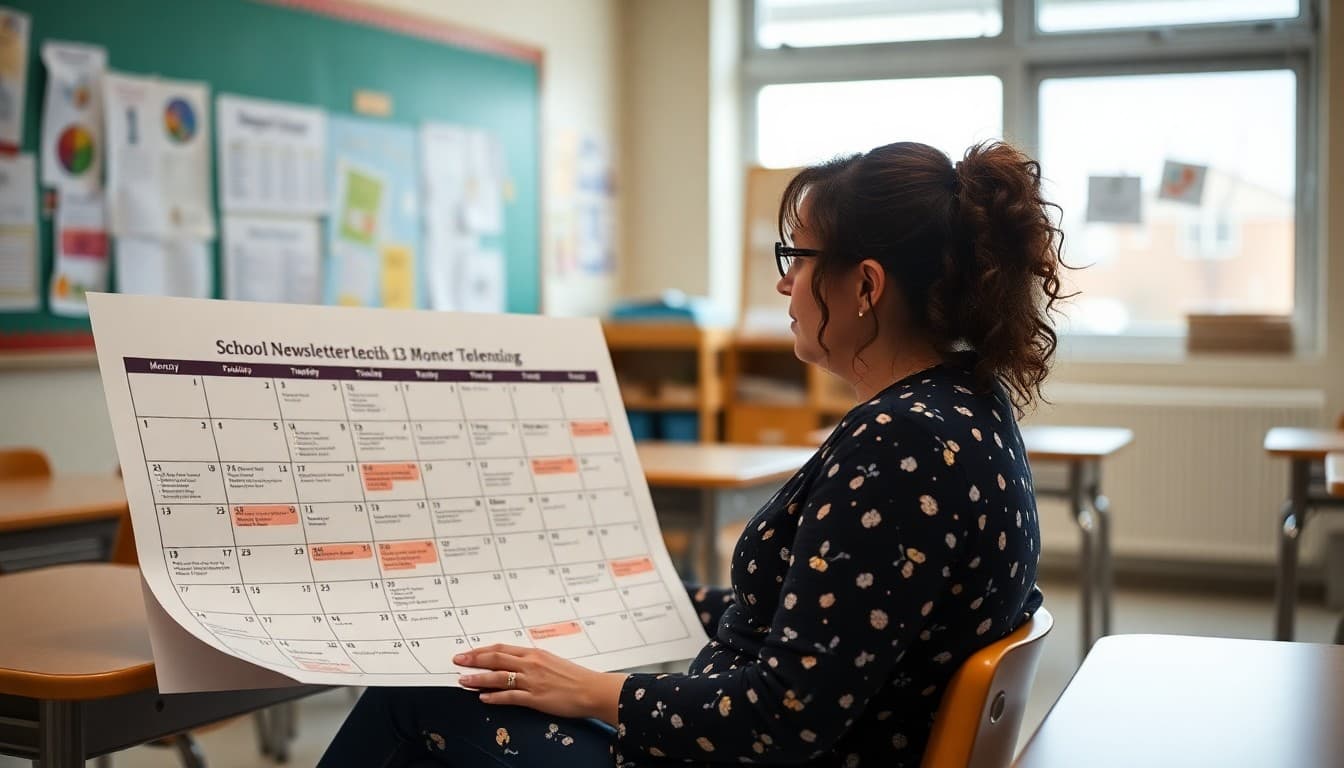
Pull up the full school year calendar before you write a single word. Mark every newsletter send date, every major event, and every transition point in the year. These anchors tell you what content each newsletter needs. An October newsletter before parent-teacher conferences will always need a section explaining how to schedule an appointment. Write that section once in August and it is done.
Separate Evergreen Content from Current Content
Every newsletter has two types of content. Evergreen content is true regardless of what happened this specific week: curriculum introductions, policy reminders, seasonal preparation guides. Current content requires this week's specifics: what the class did, what happened on the field trip, which student won the science fair. When batch writing, you write all the evergreen content in advance and leave clearly marked placeholders for the current sections.
A Template for Placeholders
Your placeholder sections might look like this in your draft:
"[CURRENT WEEK: 2-3 sentences about what we worked on in class this week. Include one specific example.] [UPCOMING DATE REMINDER: update with this week's most important upcoming date.]"
These placeholders take 30 seconds to fill in on the morning of your send. The rest of the newsletter is already written and reviewed.
How to Run a Batch Writing Session
Block two to three uninterrupted hours. Print your school calendar. Open your newsletter tool and create four or five draft newsletters, one for each upcoming send date. Work through each newsletter in order, writing the evergreen sections and placing your current-content placeholders. Review each draft once before moving to the next. By the end of the session, you have a pipeline of nearly-finished newsletters waiting for their weekly update.
Quarterly Batch Sessions Keep the Pipeline Full
A one-time batch writing session at the start of the year is helpful, but quarterly sessions are more sustainable and more effective. Each quarter you know more about your students, your class's pace through the curriculum, and what parents are asking about. That knowledge produces better newsletters than the overly generic ones you can write in August before you have met anyone.
The 48-Hour Review Before Every Send
Before every scheduled newsletter goes out, open it 48 hours early and spend five minutes reviewing. Fill in the current-content placeholders, check that all dates are still accurate, and read the newsletter once as a parent would. This review step is the quality control layer that keeps batch-written newsletters feeling timely and specific.
Getting Started Without Overwhelm
You do not need to batch write the whole year on day one. Start with one quarter and see how it feels. Write four newsletters in a single afternoon session, leave your placeholders, and schedule a 48-hour review reminder for each one. If that goes well, expand to two quarters next time. Most teachers who try batch writing once do not go back to the week-by-week approach.
Get one newsletter idea every week.
Free. For teachers. No spam.
Frequently asked questions
Is it possible to write school newsletters months in advance?
Partially, yes. The structural sections, introductions to curriculum units, and recurring seasonal content can be written months ahead. What you cannot write in advance is anything tied to events that have not happened yet. The best batch-writing approach writes the scaffold in advance and leaves clearly marked blank spots for week-specific updates.
How many newsletters can I realistically batch in one sitting?
Most teachers find three to five newsletters is the sweet spot for a batch session. That is roughly two to three hours of focused writing. Beyond that, the quality drops and you start writing content that is too generic. A quarterly batch session of four newsletters keeps you consistently ahead without burning out.
What if my batch-written content becomes outdated before I send it?
Build in a review step. When you schedule a newsletter to go out, open it 48 hours before and do a five-minute accuracy check. Update the dates, swap in any relevant current news, and adjust anything that has changed. This review is much faster than writing from scratch and protects you from sending outdated information.
What content works best for batch writing?
Curriculum overviews, unit introductions, testing reminders, school policy explanations, seasonal observances, and recurring event reminders all batch well. These sections do not depend on what happened in class last Tuesday. They depend on your school calendar and curriculum plan, both of which you know months in advance.
Does Daystage support scheduled newsletter sends?
Daystage lets you save newsletters as drafts and come back to finalize and send them. You can batch write your newsletter drafts during a planning session, then open each one the day before it is due, make any last-minute updates, and send. This approach captures the efficiency of batch writing while keeping the content current.

Adi Ackerman
Author
Adi Ackerman is a former classroom teacher and curriculum writer with 8 years in K-8 schools. She writes about school communication, parent engagement, and what actually works in real classrooms.
More for Guides
Ready to send your first newsletter?
3 newsletters free. No credit card. First one ready in under 5 minutes.
Get started free