

Newsletter Guide for Public School Families
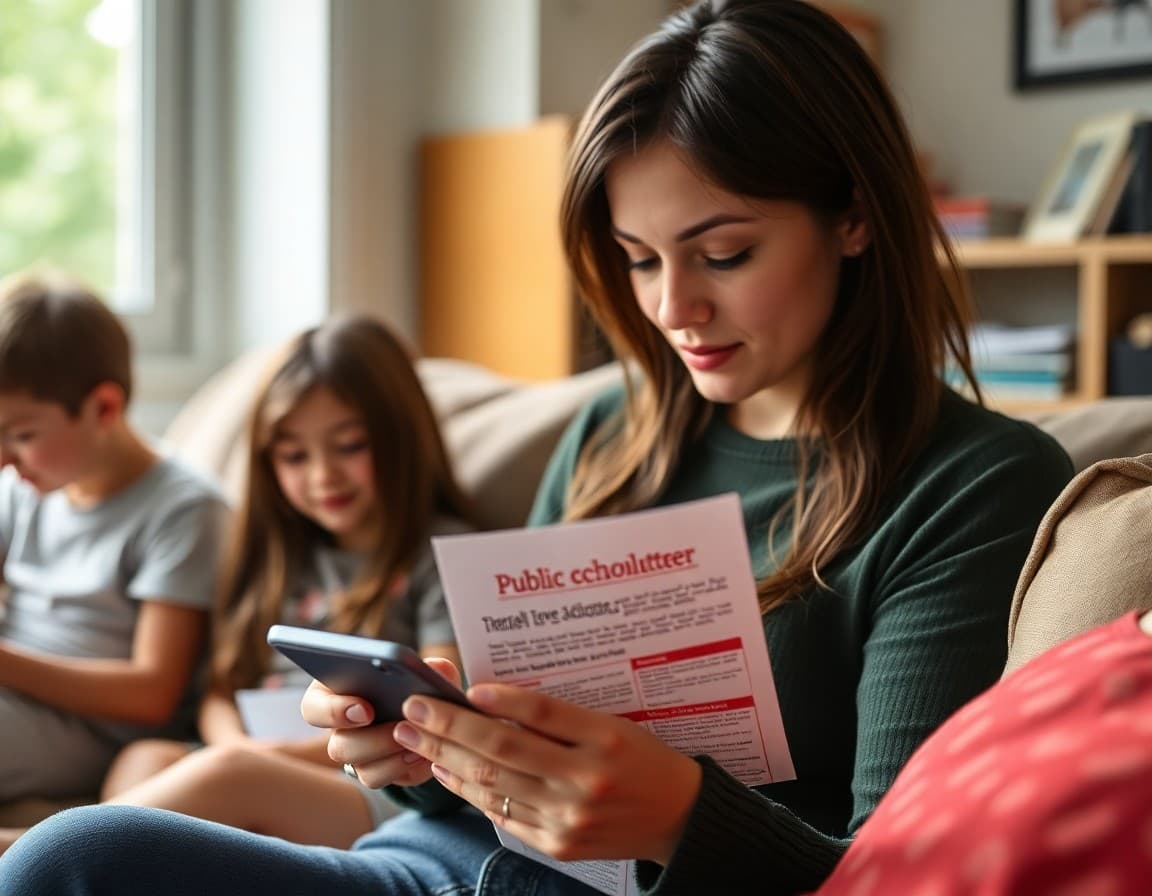
Public school newsletters serve the most diverse audience of any school communication. A single newsletter might be read by a pediatric surgeon, a construction worker, a grandmother raising her grandchildren, and a recently arrived refugee family, all of whom have different prior knowledge, different time constraints, and different needs from the same document. A newsletter strategy that accounts for this range serves everyone better.
Understanding the Full Range of Your Audience
The diversity of a public school's parent community is its most important communication context. Unlike private or charter schools with selective enrollment, public schools serve everyone. That means newsletters need to be readable by families with limited literacy, useful for families with advanced education, accessible to families with limited English proficiency, and practical for families managing multiple jobs and limited time.
The design implication is: plain language, clear structure, specific information, and multiple access channels. A newsletter that achieves all four reaches more families than one that achieves any one of them in isolation.
Building a Consistent Communication Calendar
Public school families benefit from predictable communication rhythms. A newsletter that arrives on the first Tuesday of each month becomes something families look for rather than something they receive by surprise. A classroom update that goes home every other Friday becomes part of the family's routine for reviewing school information.
Build the calendar at the start of the year and share it with families in the first newsletter. Include dates for major school-wide communications, assessment windows, conference periods, and required notifications. Families who know when to expect communications plan around them. Families who receive communications without warning are more likely to miss them.
Plain Language as a Non-Negotiable
Educational jargon is the most common failure in public school newsletters. "Formative assessment data will inform our differentiated instructional response in the Tier 2 intervention framework" means something to educators and nothing to most families. "We check how students are doing each week and use the results to give extra help to students who need it" means the same thing in language that reaches everyone.
Acronyms are a close second. When you write MTSS, RTI, SEL, PBIS, or ELL without explaining what they stand for and what they mean, you are writing for yourself and your colleagues, not for families. Spell out every acronym the first time it appears in any newsletter.
A Template Excerpt for a Public School Monthly Newsletter
Here is a section from a public elementary school in Ohio:
"State testing begins March 3 for students in grades 3 through 5. The tests cover reading and math and take about 90 minutes per session. Students will test over three days. The best thing families can do to help is make sure students get enough sleep and eat a full breakfast. There is no special preparation needed at home. Results will be mailed to families in June. If your child receives extra support in reading or math, they may have a slightly different testing schedule. Your child's teacher will contact you directly if that applies to your family."
The language is plain. The information is complete. The one special case is addressed without making it feel like a stigma. Every family reading this paragraph knows what they need to know.
Addressing Legal Notification Requirements
Public schools have federal and state notification requirements that must be communicated annually. Families have the right to know about their child's teacher qualifications, available assessment accommodations, opt-out options for certain programs, and the process for filing a complaint. These notifications are often buried in dense text that families do not read. A newsletter that presents them in plain language, with a clear explanation of what each right means and how to exercise it, meets the legal requirement and actually informs families rather than technically notifying them.
Multilingual Communication
Public schools serve the most linguistically diverse communities of any school type. A newsletter strategy that does not account for non-English-speaking families is not fully serving its public. Work with district translation services to produce versions of key newsletters in the languages most common in your school community. At minimum, provide a translated version of the school's main communication contact so that families who do not read English know who to call.
Connecting Families to Community Resources
Public schools often serve as community anchors that connect families to services beyond education: food assistance, healthcare access, housing support, and social services. A newsletter that periodically includes information about community resources available to families does more than communicate school information. It positions the school as a genuine partner in family wellbeing, which builds the trust that sustains parent engagement over time.
Maintaining Consistency Across Teachers and Grade Levels
One of the most common complaints from public school families is receiving contradictory or inconsistent information from different teachers in the same school. Coordinate communication at the school level: agree on shared formats for classroom newsletters, shared timing for major announcements, and shared language for school-wide policies. Families who receive consistent information from multiple sources trust the school more than families who have to reconcile conflicting messages from different teachers and the main office.
Get one newsletter idea every week.
Free. For teachers. No spam.
Frequently asked questions
How often should a public school send newsletters to families?
Most public schools find that a monthly school-wide newsletter combined with biweekly or weekly classroom updates from teachers works well. The key is consistency over frequency. A newsletter that arrives on the same day each month builds a communication rhythm that families rely on. Supplementing the regular newsletter with event-specific communications sent at least 10 days before any date that requires family action rounds out a complete communication strategy.
What are public schools legally required to communicate to families?
Requirements vary by state, but most public schools must annually notify families about student rights, complaint procedures, opt-out options for certain programs, and assessment timelines. Schools receiving federal funding have additional notification requirements related to teacher qualifications, family engagement policies, and program information. A newsletter is one efficient channel for meeting many of these requirements, though some notifications require a direct mailing to each household.
How do I write a public school newsletter that works for families with different educational backgrounds?
Aim for an 8th grade reading level. Use short paragraphs and clear headers. Avoid acronyms without spelling them out the first time. Include a brief explanation of any educational term that parents might not know. Assume that a parent who left school at 16 and a parent with a graduate degree are both reading the same newsletter and that both deserve to understand it. Plain language serves everyone better than technical language serves anyone.
How should public school newsletters handle controversial school board decisions?
Report the decision accurately, explain the process by which it was made, and provide a contact for families who want more information or who want to provide public comment. A newsletter that ignores a significant school board decision leaves families to fill the information gap from less reliable sources. A newsletter that explains the decision process and the contact for public input treats families as informed community members.
What platform works well for public school newsletters?
Daystage is a strong option for public schools because it handles sending, tracking, and archiving in one place. You can write and send a newsletter to hundreds of families without managing a separate email list, and the open rate tracking helps identify which families may need an additional outreach channel.

Adi Ackerman
Author
Adi Ackerman is a former classroom teacher and curriculum writer with 8 years in K-8 schools. She writes about school communication, parent engagement, and what actually works in real classrooms.
More for Guides
Ready to send your first newsletter?
3 newsletters free. No credit card. First one ready in under 5 minutes.
Get started free