
National Merit Scholar Newsletter Template for Schools

When the National Merit Scholarship Corporation releases its list each fall, high schools have a short window to celebrate their students before the moment passes. A well-structured newsletter does three things at once: it recognizes the students publicly, it explains the award to families who may not know what National Merit means, and it gives counselors a clean way to communicate next steps for Semifinalists still in the competition.
This template and guide covers what to include, how to sequence the information, and common mistakes that dilute the impact of the announcement.
Understand the Award Tiers Before You Write
National Merit has three recognition levels, and families often confuse them. The PSAT/NMSQT serves as the qualifying test. Students who score in roughly the top 3 to 4 percent nationally become Commended Students. Those who score in the top 1 percent within their state become Semifinalists and are eligible to advance to Finalist status. Finalists then compete for Merit Scholarship awards worth between $2,500 and $25,000 or more.
Your newsletter should explain this clearly and briefly. A two-sentence overview is enough. The goal is context, not a full program description.
What to Include in the Opening Section
Open with the number of students recognized and their names, grouped by tier. Do not bury the recognition in background information. Families scroll quickly and want to see names fast.
Example opening: "We are proud to share that four Oak Ridge seniors have earned recognition from the National Merit Scholarship Program based on their 2025 PSAT scores. Three students named Semifinalists, and one student earned Commended Student status."
Follow with the names, organized by tier. Bold or highlight each name to make them stand out visually.
Sample Newsletter Template Excerpt
Below is a structured excerpt you can adapt directly:
Subject line: Oak Ridge Seniors Earn National Merit Recognition
Opening paragraph: We are excited to announce that four Oak Ridge High School seniors have earned recognition from the 2026 National Merit Scholarship Program. This recognition is based on scores from the 2025 PSAT/NMSQT and places these students among the top performers in the nation.
Semifinalists (Top 1% in state): [Student Name], [Student Name], [Student Name]
Commended Students (Top 3-4% nationally): [Student Name]
What happens next: Semifinalists have received information from their counselor about the Finalist application. Deadlines are in October. Please contact [Counselor Name] at [email] with questions.
How to Handle the "What Happens Next" Section
Semifinalists must complete a detailed application by a deadline set by their school, typically in October. The newsletter should flag this clearly. Many families assume the recognition is the end of the process and miss the application window.
Keep this section short: one paragraph with the key deadline, the name of the counselor or coordinator handling applications, and a contact email. Do not reproduce the full application requirements in the newsletter. That level of detail belongs in a direct communication to the affected students and families, not a school-wide announcement.
Photos and Visuals That Add Value
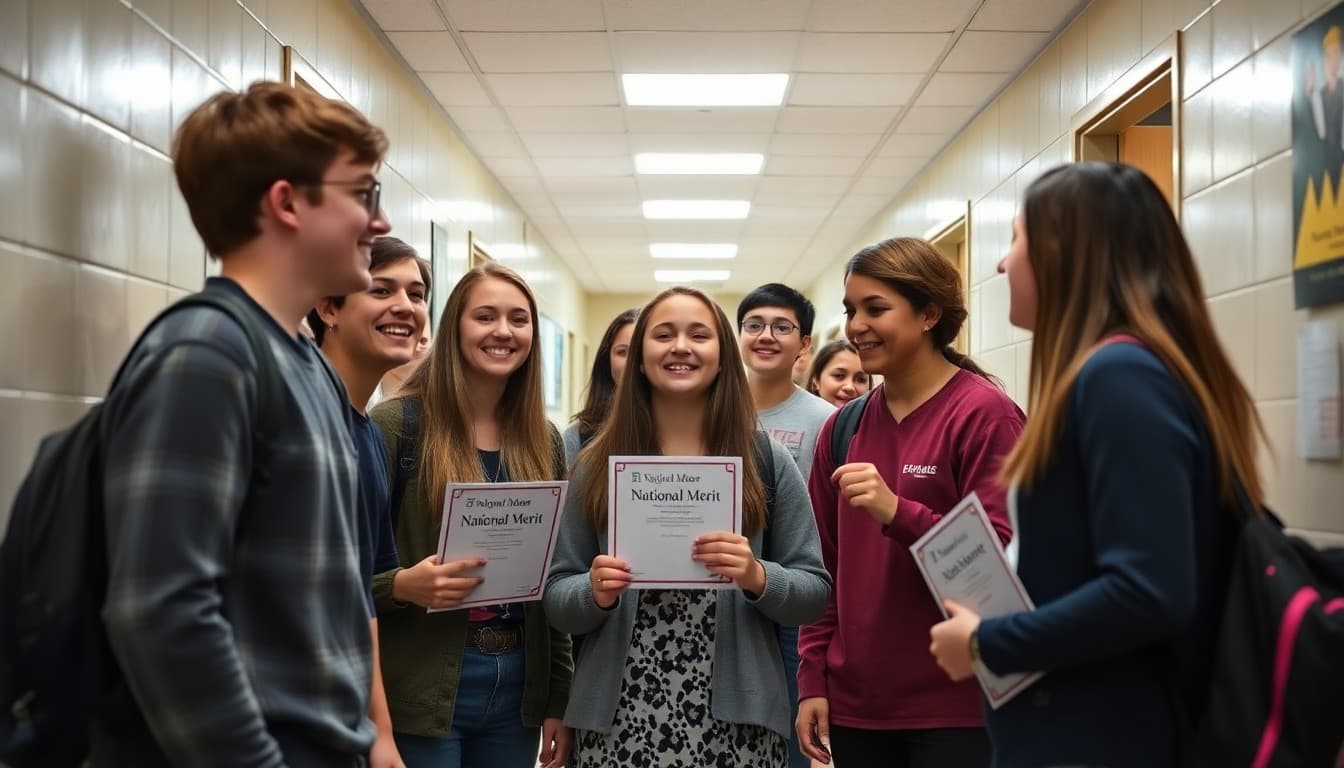
A photo of the recognized students together, or individual headshots if you have them, personalizes the announcement significantly. If you cannot gather photos quickly, a school logo or a simple graphic with the text "National Merit Recognition Class of 2026" works as a placeholder.
Avoid using generic stock images of students you do not know. The recognition is personal. A photo of actual students at your school, even a casual hallway shot, is more appropriate than an unrelated stock image.
Staff Version vs. Community Version
Consider sending two versions: one to families and the broader community, and a shorter internal version to staff. Teachers appreciate knowing which of their students earned recognition. The internal version can be two or three sentences in a staff digest. It does not need to be a full newsletter.
Some schools also post the announcement in a social media-friendly format. If you plan to share on social platforms, verify that each family has consented to public recognition for their student before posting names or photos.
Tone and Length
Keep the newsletter to 300 to 400 words for community distribution. Families read recognition announcements quickly. A longer newsletter risks burying the actual recognition under program descriptions.
The tone should be warm and direct without being over the top. "We are proud of these students and the sustained effort that led to this recognition" is better than a string of superlatives. Let the achievement speak.
Distribute to the Right Audiences
Send to all families in the school, not just the recognized students' families. Community-wide recognition reinforces school culture and gives other students a concrete achievement to aspire to. A copy to the district office is also appropriate, as many districts publish recognition in district-wide communications or board meeting reports.
If your school has a local newspaper or alumni communication, this announcement is worth sending there too. National Merit recognition is one of the cleaner, more universally understood academic achievements, and local press coverage comes easily.
Get one newsletter idea every week.
Free. For teachers. No spam.
Frequently asked questions
When should schools send a National Merit newsletter?
Send it within 24 to 48 hours of the official announcement from the National Merit Scholarship Corporation. Students and families often hear through informal channels quickly, so a timely newsletter anchors the news with accurate details and school context. If you cannot send same-day, a brief email placeholder with a fuller newsletter to follow works well.
Should the newsletter name all Semifinalists or just Commended Students?
Name both groups, but in separate sections with clear labels. Semifinalists advance to the next round of competition and represent roughly the top 1 percent of scorers in each state, while Commended Students score in the top 3 to 4 percent nationally. Distinguishing the two avoids confusion and gives each group its proper recognition.
How do you handle a student who does not want to be named publicly?
Always check with students and families before publishing names. Most consent is assumed, but some students prefer privacy for personal or safety reasons. A quick email or phone call to the family before sending the newsletter prevents problems. If a student declines, you can still acknowledge the award at the group level without naming individuals.
What details should the newsletter include beyond student names?
Include the award tier, a brief explanation of what National Merit is for families unfamiliar with the program, the number of students recognized from your school, and any next steps students need to take. If your school has a guidance counselor or National Merit coordinator, include their contact information for questions about the scholarship application process.
What tools make it easier to send a polished recognition newsletter?
Daystage lets you build a structured recognition newsletter with sections for student spotlights, award details, and next steps. You can add photos, format text without coding, and send directly to parent and staff lists. The result looks polished without requiring design experience.

Adi Ackerman
Author
Adi Ackerman is a former classroom teacher and curriculum writer with 8 years in K-8 schools. She writes about school communication, parent engagement, and what actually works in real classrooms.
More for Guides
Ready to send your first newsletter?
3 newsletters free. No credit card. First one ready in under 5 minutes.
Get started free