

Idaho Elementary School Newsletter Guide for Teachers
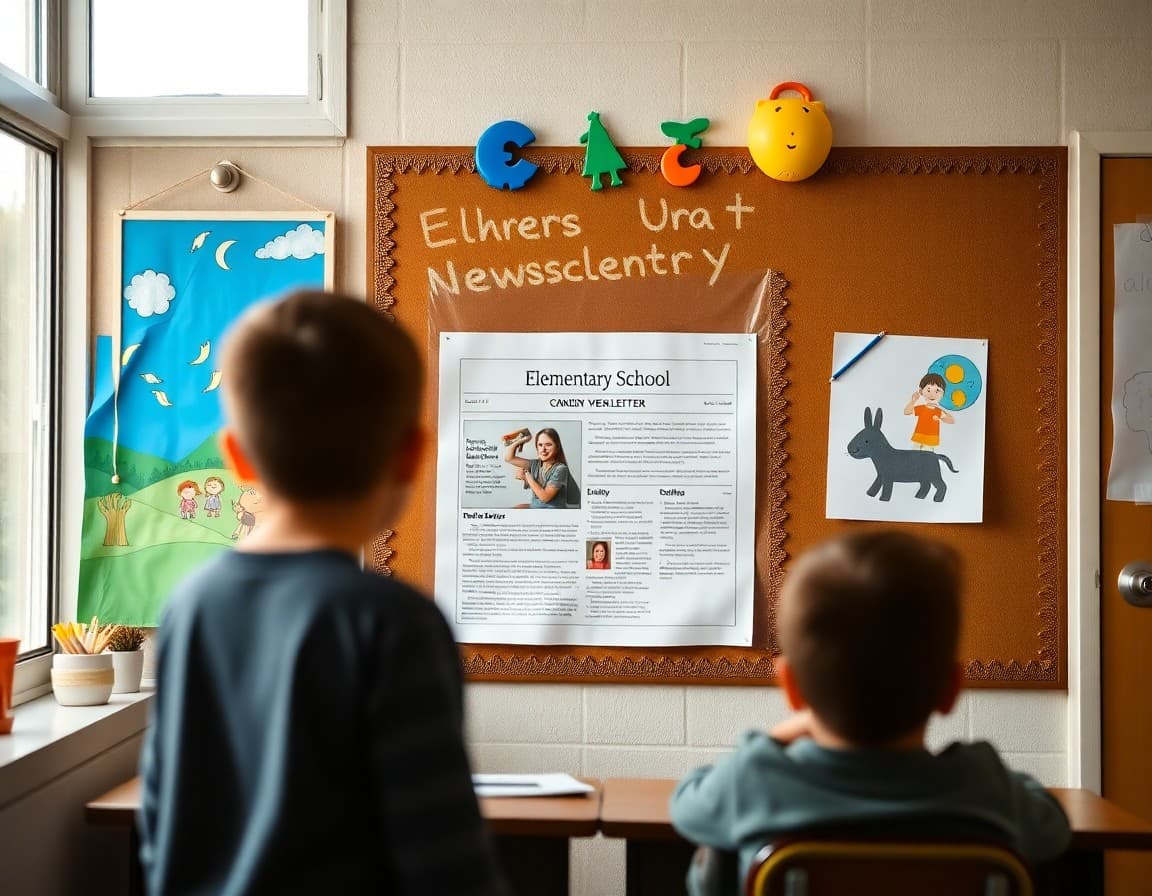
Idaho's elementary schools range from large suburban schools in the Boise metro to one-room schoolhouses in remote communities in Clearwater County. The families those schools serve are equally diverse: tech-sector families in Meridian, multi-generational farming families in the Magic Valley, and seasonal agricultural worker families in Canyon County. A good elementary newsletter works for all of them by being specific, practical, and consistent. This guide covers what Idaho elementary newsletters need to include and how to make them work across different community contexts.
Idaho Content Standards and What to Communicate
Idaho adopted its own content standards for ELA, math, and science that align with but are distinct from Common Core. The Idaho Content Standards give elementary teachers a clear structure for newsletter content. Each month, a brief note on which standards students are working toward translates state requirements into something families can act on. "This month in 2nd grade reading, we are working on understanding the main message of stories and informational texts, which is an Idaho Content Standard for this grade. Reading with your child three evenings a week and asking 'what was the most important part?' directly builds this skill." That specificity is what families need.
ISAT: Preparing Idaho Families Early
The Idaho Standards Achievement Test (ISAT) is administered to students in grades 3-8, typically in spring. Elementary families in grades 3-5 need to hear about ISAT starting in January, not in the week before the test window. A monthly ISAT section in your newsletter from January through March covers: what the test measures, what adaptive testing means (students see harder or easier questions based on responses), and what families can do to support preparation. Many Idaho families, particularly in rural communities with less exposure to standardized testing culture, appreciate this kind of plain-language preparation.
The Right Structure for an Idaho Elementary Newsletter
A structure that works across K-5:
- Classroom update: current units in ELA, math, and science/social studies in 2-3 sentences
- Reading and homework: what to expect this week or month, how families can help
- Important dates: ISAT windows, school events, holidays, early release days
- Agricultural calendar note: (for rural schools) any acknowledgment of community farming seasons
- One action item: the single most important thing you need families to do this week
Template Excerpt: March Idaho 4th Grade Newsletter
A sample opening:
"March means ISAT season is coming. Our test window opens April 7 for 4th graders. We are spending the next two weeks reviewing the skills most commonly tested: main idea in reading, multi-step word problems in math, and writing with supporting evidence. The best preparation is consistent reading every evening and making sure your student gets a full night's sleep during test week. I will send a full test schedule home the last week of March. Volunteer opportunity: we need two parents for our science fair on March 28, from 2:00 to 4:00 PM. Reply to this email if you are available."
Reaching Idaho's Spanish-Speaking Agricultural Families
Canyon County is home to one of Idaho's largest Hispanic communities, concentrated in Nampa, Caldwell, and surrounding agricultural areas. Twin Falls County and Jefferson County also have significant Spanish-speaking populations tied to dairy farming and other agricultural industries. For elementary teachers in these communities, a Spanish version of key newsletter sections is a language access obligation under Title III and a practical engagement tool. You do not need to translate every word. Translating the subject line, key dates, homework instructions, and any required family response covers the most critical communication needs.
Rural Idaho Schools: Newsletter Delivery Considerations
Internet access is unreliable in parts of rural Idaho, including many communities in eastern Idaho and the panhandle. If your school is in a community with limited broadband, confirm that digital newsletters are reaching families or offer a print option. Some Idaho elementary teachers send a digital version and have a small print run for families who opt in. A QR code on the printed version connecting to the digital copy helps families with smartphones but limited home internet. Knowing which families need print is worth a ten-second check during fall conferences.
Title I Communication Requirements in Idaho
Idaho has a significant number of Title I schools, particularly in rural areas and in Canyon County. Title I schools must have a written school-parent compact and a family engagement policy that describes how the school communicates with families. Newsletters contribute to the "regular communication" expectation in federal Title I guidelines. If your school is a Title I school, ask your principal what documentation is required. Keeping a record of newsletter send dates and delivery confirmation from your email platform supports your school's Title I reporting.
Get one newsletter idea every week.
Free. For teachers. No spam.
Frequently asked questions
What should an Idaho elementary school newsletter include?
Idaho elementary newsletters should cover current academic units aligned to Idaho Content Standards, upcoming Idaho Standards Achievement Test (ISAT) dates, school events, homework expectations, and volunteer opportunities. For rural Idaho schools, acknowledging the agricultural calendar -- planting and harvest seasons that affect family schedules -- shows awareness of the community your students live in.
Does Idaho have specific requirements for elementary school communication?
Idaho does not have a state law mandating a specific newsletter format or frequency, but the Idaho State Department of Education's Title I guidelines require schools to maintain regular family communication as part of the federal family engagement plan. Individual school districts have their own communication policies, which vary significantly between large districts like Boise School District and small rural districts in Twin Falls or Bonner County.
How often should Idaho elementary teachers send newsletters?
Weekly newsletters work well for K-2, particularly for sight word lists and reading benchmark updates. Grades 3-5 can typically manage with a twice-monthly or monthly newsletter. Whatever frequency you choose, maintain it consistently through the year. Idaho families in rural districts often rely heavily on school newsletters as their primary source of academic information about what their child is studying.
What languages are important for Idaho elementary newsletters?
Spanish is the most critical non-English language for Idaho elementary newsletters, particularly in Canyon County, Twin Falls, Jefferson County, and other areas with large migrant agricultural worker populations. Many Idaho farming communities have significant Hispanic families who are seasonal or year-round residents. Translating key sections of your newsletter into Spanish is both a language access obligation and a practical trust-building measure for these families.
Is there a tool that helps Idaho elementary teachers send newsletters efficiently?
Daystage is a straightforward option for Idaho elementary teachers who want to reduce newsletter production time. Building a reusable template means each week or month you are adding current content rather than reformatting from scratch. For teachers in small Idaho schools who wear many hats, that time savings adds up significantly across the school year.

Adi Ackerman
Author
Adi Ackerman is a former classroom teacher and curriculum writer with 8 years in K-8 schools. She writes about school communication, parent engagement, and what actually works in real classrooms.
More for Guides
Ready to send your first newsletter?
3 newsletters free. No credit card. First one ready in under 5 minutes.
Get started free