
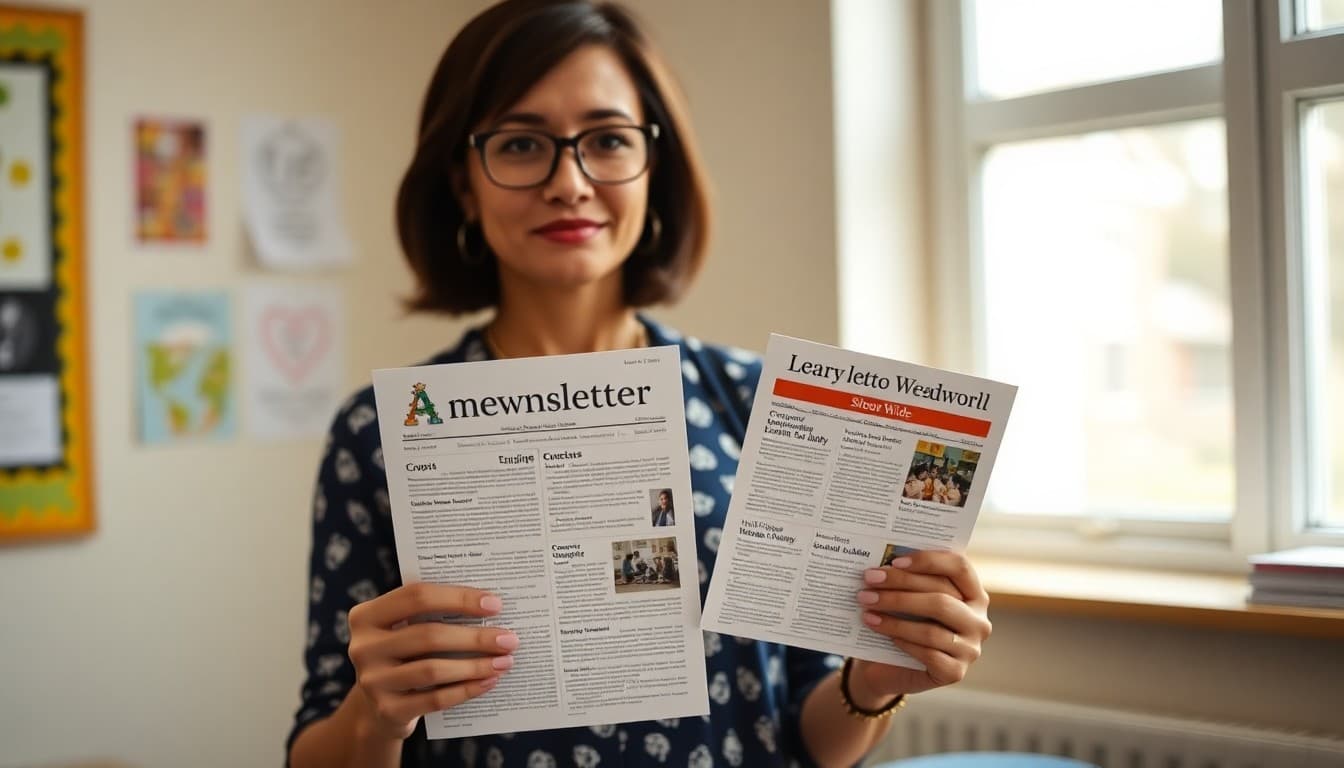
Class Newsletter vs. School Newsletter: What Is the Difference?
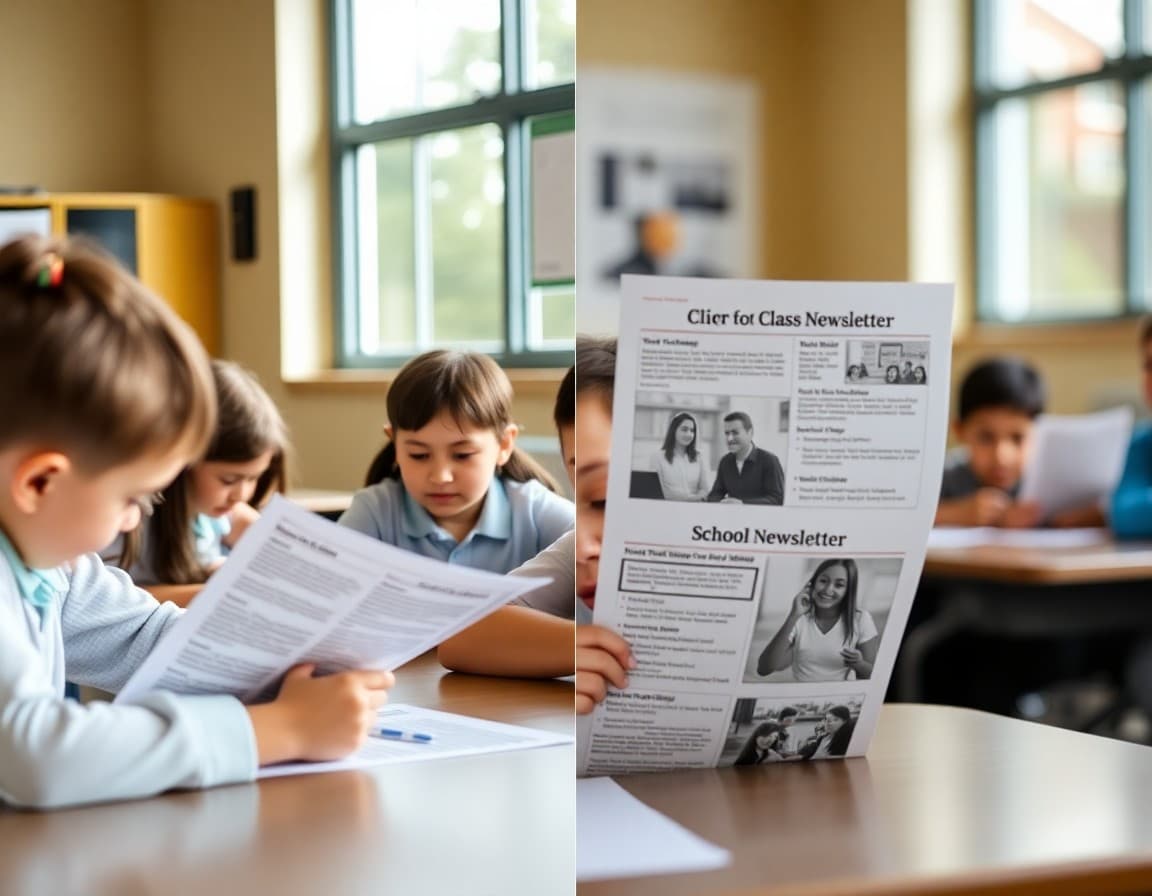
When both teachers and administrators send newsletters to the same families, the result can be either complementary or confusing, depending on whether anyone has defined what each newsletter is supposed to do. Here is how to think about the difference and how to run both without stepping on each other.
The Purpose of a Class Newsletter
A class newsletter is written by a teacher for the families of students in their specific classroom. It covers what is being taught this week, upcoming classroom events and deadlines, what students are working on, and anything families need to know to support learning at home. It is specific and personal. A parent reading a class newsletter should come away knowing what their child's day looks like right now.
The Purpose of a School Newsletter
A school newsletter is written by the principal or communications coordinator for every family in the building. It covers school-wide events, policy updates, community announcements, safety information, and stories that celebrate the school as a whole. It is broad and institutional. A parent reading a school newsletter should come away knowing what is happening at the school level and what requires their action or attention.
Where the Two Overlap and How to Manage It
The most common source of conflict between class and school newsletters is coverage overlap. A teacher mentions the spring concert in their class newsletter because it happens to fall during their unit. The principal also mentions it in the school newsletter. Parents receive the same information twice in the same week from two different sources, which creates inbox fatigue and the impression of poor coordination. The solution is a simple scope agreement: school-wide events and logistics live in the school newsletter only. Classroom-specific activities live in the class newsletter only.
What Families Get From Each
Think about what a parent actually does with each kind of newsletter. After reading the school newsletter, they mark calendar dates, read a policy, or sign up for a volunteer slot. After reading a class newsletter, they ask their child what they are building in science, or they know why their child is stressed about Friday's assessment. Both newsletters create value, but the actions they prompt are different. When each newsletter is clear about what it expects families to do with the information, both become more useful.
Who Should Send Which Newsletter and How Often
School newsletters typically come from the principal or assistant principal on a weekly or biweekly schedule. Class newsletters come from individual teachers, and the frequency varies by grade level and teacher preference. Weekly is common for elementary. Monthly or seasonal is common for middle and high school. The key is that both schedules are predictable and that families know when to expect each one. Surprise newsletters, regardless of source, get lower open rates than newsletters that arrive on schedule.
Using One Platform for Both
When class and school newsletters come from different tools, families receive them through different channels and the branding looks inconsistent. Using one platform for both gives parents a familiar experience and gives the school a unified picture of all communication going out to families. Daystage supports both classroom and school-wide newsletters from the same system, which means no one is managing two separate tools and parents receive a consistent experience regardless of which level of the school is writing to them.
What Happens When Class Newsletters Disappear
Some schools decide to consolidate everything into a single school newsletter to reduce teacher workload. The result is almost always a newsletter that is too long, too general, and less read by everyone. Parents of younger children specifically need classroom-level communication. When that disappears into a school-wide format, families feel less connected to their child's actual experience. The better solution is making class newsletters easier to write rather than eliminating them entirely.
Get one newsletter idea every week.
Free. For teachers. No spam.
Frequently asked questions
Should every teacher send their own class newsletter in addition to the school newsletter?
Not necessarily. The decision depends on your school culture, grade level, and available teacher time. Elementary teachers tend to benefit most from class newsletters because parents of young children want to know what is happening in their child's specific classroom. Middle and high school teachers can often let the school newsletter carry most of the communication load.
What happens when a class newsletter and a school newsletter send contradictory information?
It causes parent confusion and erodes trust in both communications. The fix is to establish a clear scope agreement before the year starts: the school newsletter covers school-wide logistics and events, the class newsletter covers classroom-specific academic content and activities. When both newsletters stay in their lane, they complement rather than contradict.
Can one platform handle both class and school newsletters?
Yes. Daystage supports multiple newsletter senders within a school. A teacher can manage their own classroom newsletter while the principal manages the school-wide one, all within the same system. Parents receive both but can easily identify which level of communication each one comes from.
How often should a class newsletter go out compared to a school newsletter?
School newsletters often run weekly or biweekly because they cover events and time-sensitive logistics. Class newsletters can run weekly during busy instructional periods but biweekly or monthly during quieter stretches without families noticing a gap. The audience for a class newsletter is primarily parents of children in that classroom, who generally want classroom-specific information rather than frequent general updates.
What should never appear in a class newsletter that belongs in a school newsletter instead?
School-wide policy changes, district-level news, events that affect all families regardless of classroom, emergency or safety communications, and any information that parents of other classrooms also need to act on. Putting these in a class newsletter means some families miss them entirely, which is a communication failure.

Adi Ackerman
Author
Adi Ackerman is a former classroom teacher and curriculum writer with 8 years in K-8 schools. She writes about school communication, parent engagement, and what actually works in real classrooms.
More for Guides
Ready to send your first newsletter?
3 newsletters free. No credit card. First one ready in under 5 minutes.
Get started free