

American School Abroad Newsletter: Global Community Guide
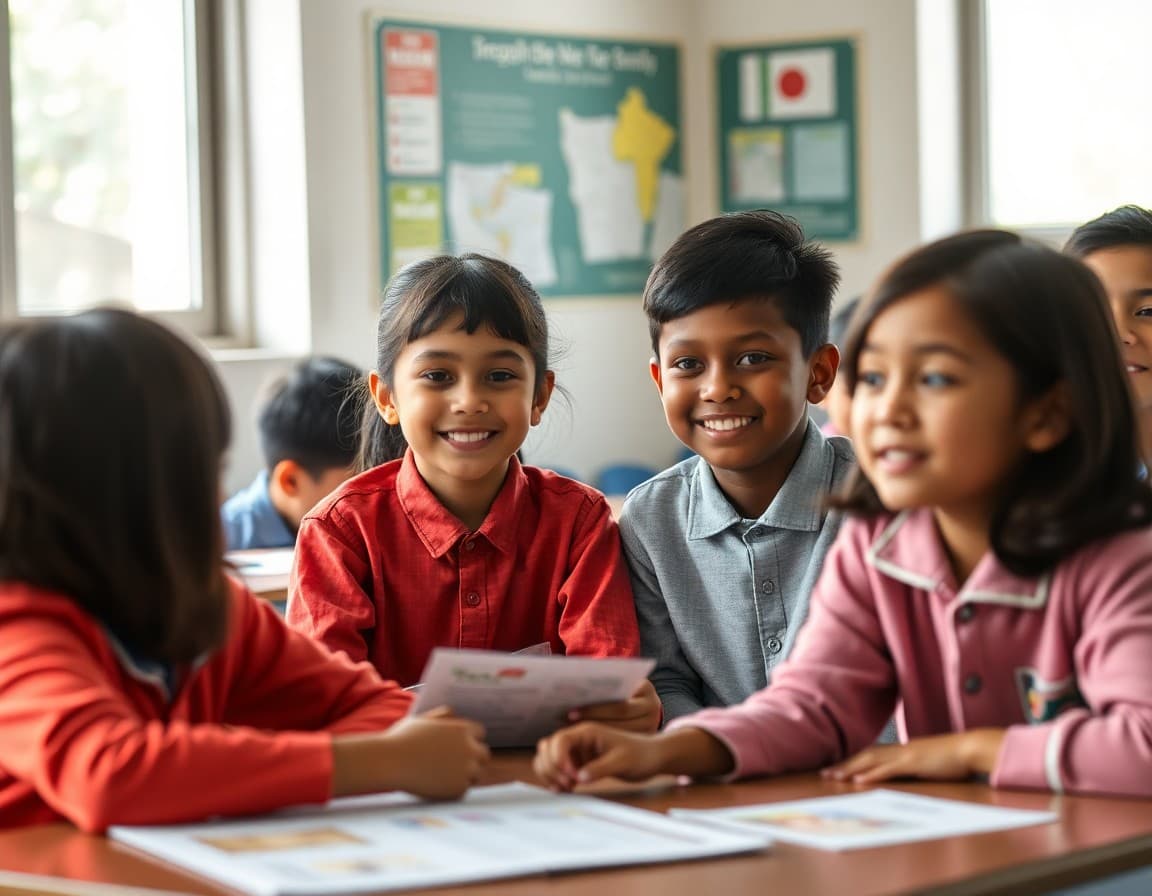
American schools abroad serve a genuinely unusual community: families who have chosen to maintain an American educational experience while living in another country. The newsletter is often the strongest thread holding that community together across postings, transfers, and time zones.
Who You're Actually Writing For
An American school abroad newsletter has a more complex audience than a typical US school newsletter. You're writing for current enrolled families, many of whom are on 2 to 3 year postings and learning their new city. You're also writing for extended family back in the US who want to stay connected to their grandchildren's school life. In some cases, you're writing for prospective families considering enrollment who are researching the school before relocation. Each of these audiences has different information needs, and the best newsletters acknowledge all three.
The Expat Family Dynamic
Expat families at American schools abroad are often navigating multiple transitions simultaneously. A newsletter that acknowledges the local experience, helps families navigate the host country, and connects them with other new arrivals provides real value beyond school logistics. A section called "Getting Around [City]" or "This Month in [Country]" that highlights a local event, a useful neighborhood service, or a community gathering point goes beyond what most school newsletters do and earns the newsletter a higher open rate as a result.
Calendar and Calendar Differences
American schools abroad often follow a modified version of the US academic calendar but with local holidays integrated. Families who are new to the posting may not know that [Host Country Holiday] means a three-day weekend, or that the school closes for National Day. The newsletter is a good place to give a 4 to 6 week preview of the calendar with any local holidays clearly marked and a brief note explaining what each one is for families who are still learning the host country's culture.
Time Zone Communication for Remote Family
Every event that families outside the country might attend virtually needs a time zone note. Don't assume grandparents know that Bangkok is 11 hours ahead of New York or that Dubai is 9 hours ahead of Los Angeles. A small box at the bottom of the events section that reads "All times listed are [City] local time. New York equivalent times in parentheses." removes the conversion burden from families and significantly increases virtual attendance for school plays, award ceremonies, and showcases.
Template Excerpt: International School Opening Block
American School of [City] | Weekly Update | October 14
This week: Book Fair runs through Friday (local currency accepted). Parent Coffee Morning moves to the MPR this Thursday at 9 AM (Bangkok Time) due to the art installation in the atrium. National Day holiday: no school Monday, October 20. The Student Service Fair from last month is now posted on our newsletter archive - link below for families who missed it.
This opening works for both local families and for grandparents in the US checking in on their grandchildren's school week, with no insider knowledge required to understand it.
Handling the Multi-National Student Body
Most American schools abroad have students from 20 to 40 different countries. A newsletter that only references American cultural touchstones misses an opportunity to reflect the community back to itself. Feature student work from students of different backgrounds. Mention international celebrations (Diwali, Eid, Lunar New Year) the same way you'd mention Thanksgiving. Use student-produced content and photos that show the actual diversity of your school. Families whose children are among the non-American majority in the school will feel more connected when they see that reflected in the newsletter.
Language Access for Non-English-Fluent Families
Even at an American school, some families have limited English proficiency. Offering a translated summary in the top 2 to 3 home languages of your student body takes extra time but dramatically increases comprehension for those families. A one-paragraph summary of the most important action items, translated into Spanish, Mandarin, or Korean depending on your school's demographics, can be added to each issue with relatively low effort and high impact.
Connecting Old and New Families
American schools abroad have high turnover. A family that was a cornerstone of the community three years ago may be gone, and the institutional knowledge they carried goes with them. The newsletter can bridge this by featuring new family spotlights, connecting incoming families with established ones, and occasionally republishing useful past content for families who joined mid-year. Schools that actively use the newsletter to onboard new arrivals report faster integration into the school community and fewer first-year families feeling lost.
Get one newsletter idea every week.
Free. For teachers. No spam.
Frequently asked questions
What makes an American school abroad newsletter different from a domestic school newsletter?
The families are more geographically spread out, often with extended family in multiple countries who want to stay connected. The school year may not align with the US calendar. Cultural references that work for families back home may land differently for a family that has been living in Singapore or Germany for three years. Awareness of these differences shapes everything from event references to tone.
Should newsletters from American schools abroad include local country content?
Yes, and families often appreciate it. A brief section acknowledging a local holiday, a cultural event in the host city, or a note about a national school schedule difference helps families feel the school is part of where they actually live, not just a bubble of American culture. It also helps new arrivals orient to their new environment.
How do you handle time zones in an American school abroad newsletter?
Always specify the time zone explicitly when announcing events: 3:00 PM Bangkok Time (BKK), not just 3 PM. For events that families or grandparents in the US might join via video, include the US equivalent time. Grandparents in California who want to watch a school play livestream need to know it's 2 AM Pacific, not just that it's happening on Friday.
How do you serve families of different nationalities at an American school abroad?
Many American schools abroad have student bodies that are 30 to 50 percent non-American. The newsletter should reflect that reality. Use inclusive language that doesn't assume everyone is American. Feature student work from students of different backgrounds. Offering translated summaries for the most common non-English home languages in your school is worth the effort for key announcements.
Can Daystage support multilingual newsletters for international schools?
Daystage newsletters can include content in multiple languages within the same issue. The platform supports standard web fonts across languages and the newsletter renders correctly on devices worldwide. For schools that want to include translated summaries alongside English content, the block editor makes it easy to add a translated section without breaking the layout.

Adi Ackerman
Author
Adi Ackerman is a former classroom teacher and curriculum writer with 8 years in K-8 schools. She writes about school communication, parent engagement, and what actually works in real classrooms.
More for Guides
Ready to send your first newsletter?
3 newsletters free. No credit card. First one ready in under 5 minutes.
Get started free