

Alaska Elementary School Newsletter Guide for Teachers
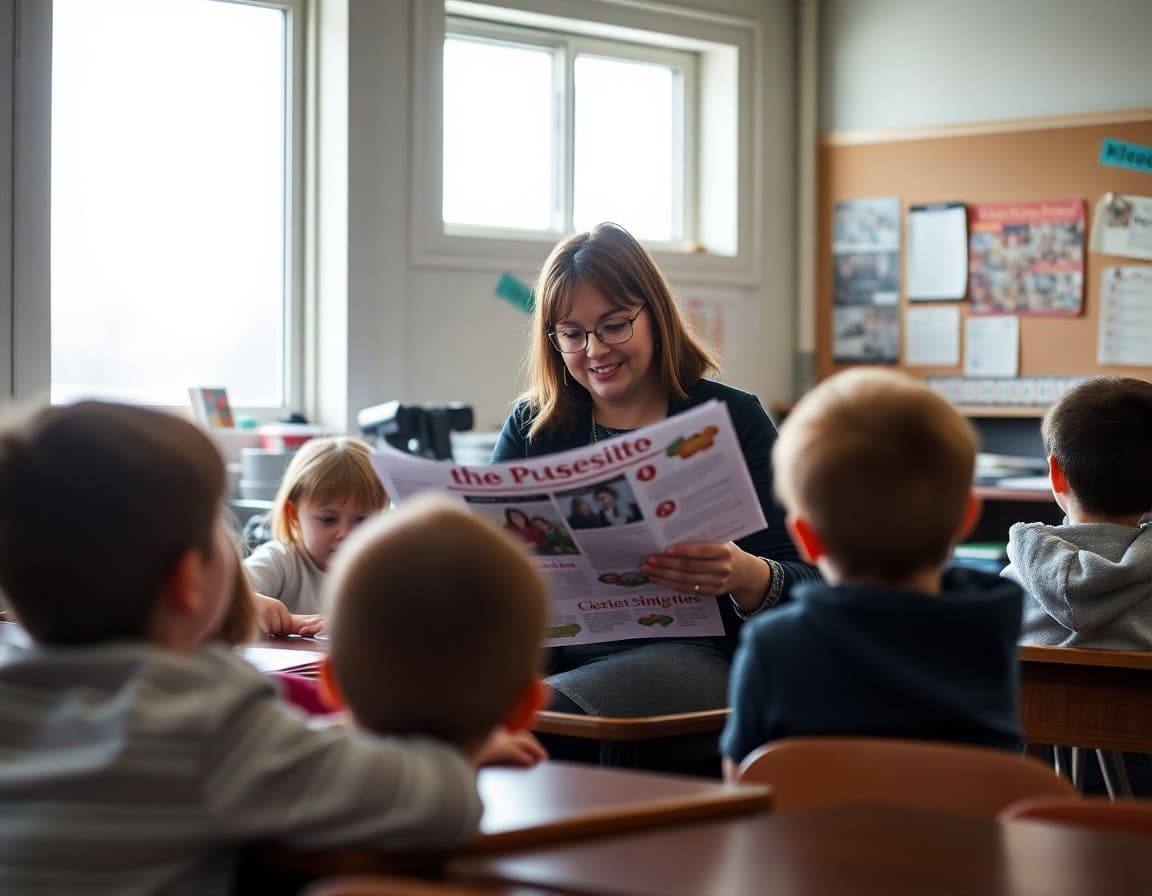
Teaching elementary school in Alaska requires adapting to conditions that do not exist in any other state: extreme geography, diverse Alaska Native communities, subsistence-based family schedules, and connectivity gaps that affect how information reaches families. A newsletter that acknowledges this context is far more effective than a standard template transplanted from the lower 48.
Design for Alaska's Connectivity Reality
Teachers in Anchorage or Fairbanks can generally rely on digital newsletters reaching most families. Teachers in rural villages -- from Bethel to Kotzebue to Kake -- face a different reality. Many families in remote Alaska access internet through satellite connections that are expensive, slow during bad weather, or shared across a community. Printing newsletters for students to carry home remains essential in these communities. Design your newsletter to work in print: readable in black and white, no information that requires clicking a link, and a clear date at the top so families can tell when it is current.
Address the Alaska School Year's Specific Rhythms
Alaska elementary schools deal with realities that mainland newsletters do not: extended darkness and its effects on student energy in winter, travel disruptions due to weather, subsistence activity seasons that pull families away from school events, and end-of-year behavior shifts as spring light arrives. Acknowledging these realities in your newsletter -- rather than writing as if your school operates in a temperate, accessible suburb -- signals to families that you understand their lives. "We know January and February are hard months for everyone. Here are some reading activities that work well in the evenings when daylight is short" is the kind of note that resonates in a bush Alaska community.
Communicate Subsistence Absence Policy Clearly
Alaska state law recognizes the importance of subsistence activities, and most Alaska school districts have explicit policies about excusing absences for families participating in subsistence fishing, hunting, or gathering. Your back-to-school newsletter should explain your school's specific policy: what types of activities qualify, how to notify the school in advance, and what makeup procedures apply. Families who know the policy in writing are less likely to keep students home without notifying the school, and teachers who understand subsistence schedules can plan major assessments around peak subsistence periods when possible.
A Simple Alaska Elementary Newsletter Template
This format works in print and digitally:
Week of [Date] -- [Teacher Name]'s Class
What we're learning: [ELA and math focus in 2-3 sentences]
Try at home: [One specific activity]
Important dates:
- [Date]: [Event]
Weather notes: [Any early dismissal procedures or weather-related information]
Cultural connection: [Brief note on any Alaska Studies or heritage content this week]
Contact me: [Email and when you are available]
Acknowledge Alaska Native Heritage Content
Most Alaska districts include Alaska Native Studies content at the elementary level, whether through the Alaska Studies curriculum, the Culturally Responsive Teaching Framework, or through programs developed by local Alaska Native organizations. Your newsletter is an opportunity to connect this content to family and community knowledge. A note like "this week we are studying traditional weather prediction methods -- ask your grandparents or Elders about signs they watch for at this time of year" invites community knowledge into the classroom and honors the expertise that exists in the school community outside the building.
Communicate Weather and Emergency Procedures
Alaska weather events -- blizzards, ice storms, extreme cold -- can affect the school day with little warning. Your newsletter should remind families at the start of cold season how school closure decisions are communicated (local radio, school website, automated call, or community messenger service depending on your community), what the emergency contact update process is, and what students should have in their backpacks for days when they might need to stay late or leave early. Rural Alaska teachers often serve communities where the school is the primary emergency shelter, and families who know the procedures in advance are calmer during actual events.
Include Community Events and Resources
In small Alaska communities, the school is often the center of community life. Your newsletter can serve as a community bulletin board: note upcoming potlatch or community gathering dates that families may want to plan around, adult education opportunities at the school, and health resources available through the village clinic or school health aide. This broader community role builds goodwill and increases newsletter readership beyond parents of current students.
Keep a Simple Archive
In remote Alaska communities, families sometimes have limited access to the school during periods of difficult weather or travel. An archive of past newsletters on the school website (if reliably accessible) or a binder in the school office gives families a way to catch up on missed information. For communities where internet access is intermittent, printing a one-page quarterly summary of major dates and policy information gives families something to reference all semester without needing to retrieve individual issues.
Get one newsletter idea every week.
Free. For teachers. No spam.
Frequently asked questions
What are the unique communication challenges for Alaska elementary teachers?
Alaska's geography creates communication challenges found nowhere else in the US. Many school communities are accessible only by air or water, which affects both mail delivery and family attendance at events. Internet connectivity is unreliable or expensive in remote communities. Teachers in bush Alaska often need to maintain both print and digital newsletter versions to ensure families receive information regardless of connectivity.
What should Alaska elementary newsletters address beyond standard school content?
Subsistence activity schedules that may affect attendance, weather-related school closures and early dismissals, community events that connect to the school calendar, and Alaska-specific cultural content like Indigenous heritage programs and Alaska Studies curriculum. For schools in communities with significant Alaska Native student populations, newsletters that acknowledge cultural practices and seasonal rhythms build stronger family engagement.
How do Alaska elementary teachers handle newsletters in bilingual communities?
Many Alaska communities have Alaska Native language speakers, particularly Yup'ik in southwestern Alaska, Inupiaq in northern Alaska, and Tlingit in southeast Alaska. While fluent speakers of these languages are rare in younger generations, efforts to include even a few words of the community's heritage language in school newsletters are well-received. Your school's cultural liaison or Alaska Native Studies teacher can advise on appropriate language use.
How should Alaska teachers communicate about subsistence-related absences?
Many Alaska families participate in subsistence fishing, hunting, and gathering activities that are both culturally significant and legally protected in Alaska. A newsletter that explains the school's excused absence policy for subsistence activities and what makeup work is available prevents misunderstandings and shows cultural respect. Most Alaska districts have explicit policies on excused absences for subsistence; reference yours in your back-to-school newsletter.
Does Daystage work for Alaska school newsletters in remote communities?
Yes. Daystage newsletters work on any internet-connected device and can be sent as email or printed for distribution in communities with intermittent connectivity. Teachers in Alaska villages often finalize newsletters when they have connectivity and schedule them to send when families are most likely to have access.

Adi Ackerman
Author
Adi Ackerman is a former classroom teacher and curriculum writer with 8 years in K-8 schools. She writes about school communication, parent engagement, and what actually works in real classrooms.
More for Guides
Ready to send your first newsletter?
3 newsletters free. No credit card. First one ready in under 5 minutes.
Get started free