

Oklahoma Gifted Program Newsletter Guide for Coordinators
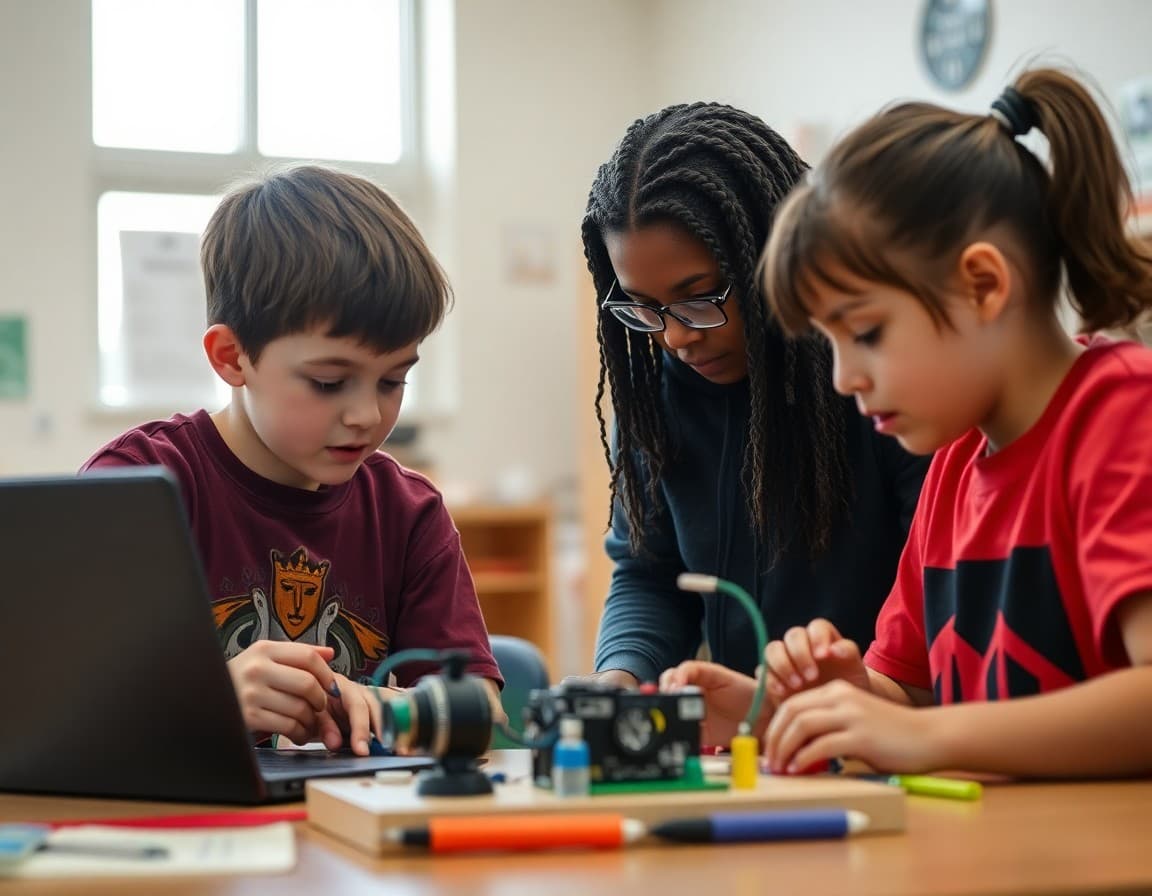
Oklahoma's gifted education spans urban districts in Oklahoma City and Tulsa with substantial gifted programs and rural districts where a single coordinator may serve dozens of identified students across multiple buildings. Whatever your context, families of gifted students in Oklahoma share a common need: clear information about what the program provides, how their child was identified, and what opportunities exist beyond the school day. Your newsletter meets that need consistently.
Oklahoma's Gifted Education Framework
Oklahoma requires that districts identify and serve gifted students using multiple criteria and maintain individual learning plans for students receiving services. OSDE provides standards and technical assistance for gifted programs. Your newsletter should describe your program in the context of these state expectations, explaining what identification means in your district, what services are associated with that identification, and how the learning plan process works. Families who understand the framework engage more meaningfully with the program.
Identification Process and Criteria
Walk families through your district's specific identification process in your fall newsletter. Oklahoma's multi-criteria model considers intellectual ability, academic achievement, creativity, and in some districts leadership and visual or performing arts. Cover how referrals are initiated, what assessments are involved, who reviews the data, and the timeline from referral to written determination. Being specific about your district's criteria prevents the confusion that arises when families assume their experience will match what they have heard about in neighboring districts.
Individual Learning Plan Process
Oklahoma requires individual learning plans for gifted students receiving services. These plans should document the student's strengths and the programming designed to meet their advanced needs. Your newsletter should explain when learning plan meetings occur, what families contribute to the process, and how the plan connects to what their child experiences in the classroom. Families who understand the purpose of the learning plan participate more meaningfully in its development and are more likely to notice when the plan's goals are not being met.
Oklahoma Academic Challenge and Competition Calendar
Oklahoma Academic Challenge is a statewide competition program with subject-specific competitions in mathematics, science, social studies, language arts, and computer science. It draws strong gifted student participation from across the state. Science Olympiad Oklahoma runs regional and state competition. MATHCOUNTS Oklahoma chapter competitions happen in fall with state competition in winter. Future Problem Solving and National History Day Oklahoma both have state-level events. Give registration deadlines, grade eligibility, and participation logistics for each competition you feature.
University of Oklahoma and Oklahoma State Resources
OU and OSU both offer enrichment programs for advanced learners and dual enrollment options for qualifying high school students. OU's Honors College and gifted education connections, and OSU's STEM enrichment programs, provide pathways for advanced Oklahoma students. National programs including Duke TIP and Johns Hopkins CTY accept Oklahoma students and offer merit scholarships. Your spring newsletter should feature these options with application timelines and financial assistance information.
Rural Oklahoma Communication Challenges
Many Oklahoma districts serve students across large geographic areas with limited gifted specialist staffing. Email newsletters reach families effectively regardless of geography. Online enrichment programs, virtual competitions, and distance coursework through Oklahoma colleges provide important challenge pathways for rural gifted students. Your newsletter should be explicit about which enrichment options are accessible without significant travel, since transportation is a real barrier for many rural Oklahoma families.
A Sample Oklahoma Newsletter Section
Here is language that works: "Our current enrichment unit focuses on probability and statistics. Students are designing and running actual experiments, analyzing their data, and presenting arguments about what they found. This is harder than it sounds, because their data rarely cooperates with their hypotheses. That's exactly the point. Oklahoma Academic Challenge registration opens October 15 for math and science competitions. If your child wants to compete, let me know by then." Daystage makes sending that kind of specific, multi-section update professionally formatted and quick to produce.
Equity and Rural Access in Oklahoma Gifted Programs
Oklahoma has significant rural populations and a substantial Native American community. Gifted identification research shows that students from Native American backgrounds and students from rural, low-income families are historically underidentified. Your newsletter can support equitable identification by explaining that parent nominations are genuinely valued, describing any universal screening your district uses, and noting that the referral process is open to all families. Equitable identification builds a program that better reflects the full range of talent in your community.
Get one newsletter idea every week.
Free. For teachers. No spam.
Frequently asked questions
What does Oklahoma require for gifted program communication?
Oklahoma requires that school districts identify and provide services to gifted students and maintain individual learning plans for identified students receiving services. The Oklahoma State Department of Education provides standards and guidelines for gifted programs. Families should receive written notification of identification decisions and have the opportunity to participate in their child's educational planning.
How does gifted identification work in Oklahoma?
Oklahoma uses multiple criteria for gifted identification including intellectual ability, academic achievement, creativity, and leadership. Districts have flexibility in the specific instruments and thresholds used within OSDE guidelines. Your newsletter should explain your district's specific process, since Oklahoma's district variation means families who moved from another part of the state may have encountered a different identification model.
What academic competitions are active in Oklahoma?
Oklahoma has Science Olympiad state competition, MATHCOUNTS Oklahoma chapter and state competitions, Oklahoma Academic Challenge, and Future Problem Solving participation. National History Day Oklahoma state competition draws gifted student entries. University of Oklahoma and Oklahoma State University enrichment programs provide additional pathways. Regional academic Quiz Bowl competitions also draw gifted students across the state.
What summer programs are available for Oklahoma gifted students?
University of Oklahoma and Oklahoma State both offer enrichment programs for advanced learners. Oklahoma Summer Arts Institute and Oklahoma Governor's Arts Institute serve gifted arts students. National residential programs including Duke TIP and Johns Hopkins CTY accept Oklahoma students. Your spring newsletter should feature these options with application deadlines and any scholarship information available, particularly for rural Oklahoma families who may have limited local summer enrichment options.
What newsletter platform works for Oklahoma gifted programs?
Daystage works well for Oklahoma gifted coordinators managing programs in both urban districts like Oklahoma City and Tulsa and rural districts across the state. The platform handles email delivery and scheduling without IT involvement. Oklahoma coordinators in rural districts where the gifted specialist may serve multiple schools find the scheduling feature particularly valuable for maintaining consistent communication without significant additional administrative time.

Adi Ackerman
Author
Adi Ackerman is a former classroom teacher and curriculum writer with 8 years in K-8 schools. She writes about school communication, parent engagement, and what actually works in real classrooms.
More for Gifted & Advanced
Ready to send your first newsletter?
3 newsletters free. No credit card. First one ready in under 5 minutes.
Get started free