
Ohio Gifted Program Newsletter Guide for Coordinators
Ohio's gifted education framework is one of the more structured in the Midwest, with a statewide identification process, a Written Education Plan requirement for students receiving services, and annual district reporting to ODE. The framework creates clear accountability but also creates meaningful family rights. Your newsletter is the communication tool that makes those rights real rather than theoretical for the families you serve.
Ohio's Gifted Identification and Service Delivery Framework
Ohio identifies gifted students in four areas: superior cognitive ability, specific academic ability, creative thinking, and visual and performing arts. Identification through the statewide process occurs using assessments approved by ODE. However, identification alone does not guarantee service delivery. Districts provide services through their own programs, and identified students who receive services have a Written Education Plan. Your newsletter should explain this two-step reality clearly: identification and services are distinct, and both deserve specific communication.
Written Education Plan Communication
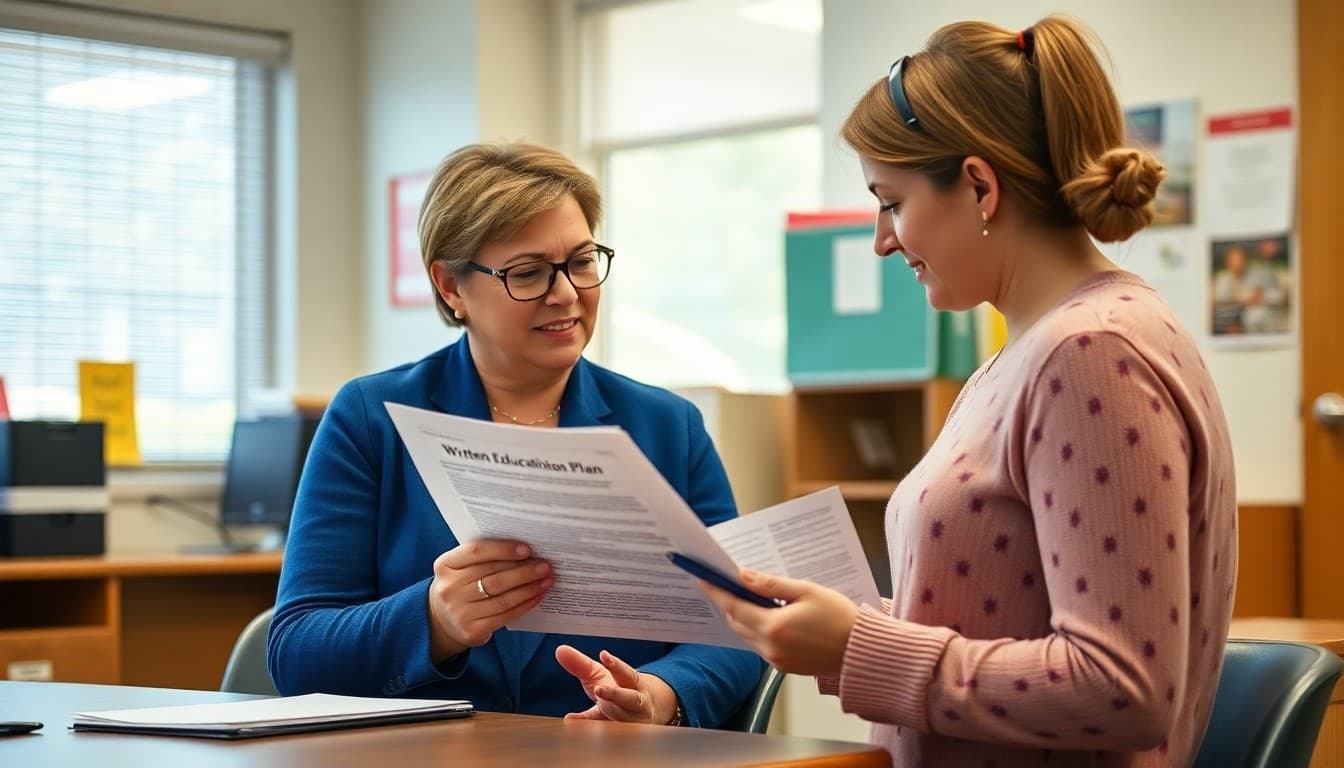
The WEP documents the student's gifted identification area, current performance, educational goals, and the services provided. It must be developed with family input and reviewed annually. Your newsletter should explain the WEP development timeline, what families are expected to contribute, and how the plan connects to the student's actual classroom experience. Families who arrive at WEP meetings prepared to discuss their child's specific strengths and interests, rather than just signing a completed form, produce more useful and individualized plans.
Identification Testing Communication
Ohio uses both universal screening and referral-based testing. Walk families through the identification process in your fall newsletter: how students are nominated or screened, what assessments are used, the timeline from testing to written notification, and what the four identification areas mean in practice. Many Ohio families are not aware of the creative thinking or visual and performing arts identification categories and assume that gifted identification is purely academic. Your newsletter can correct that assumption and expand who gets nominated.
Science Olympiad and Academic Competitions
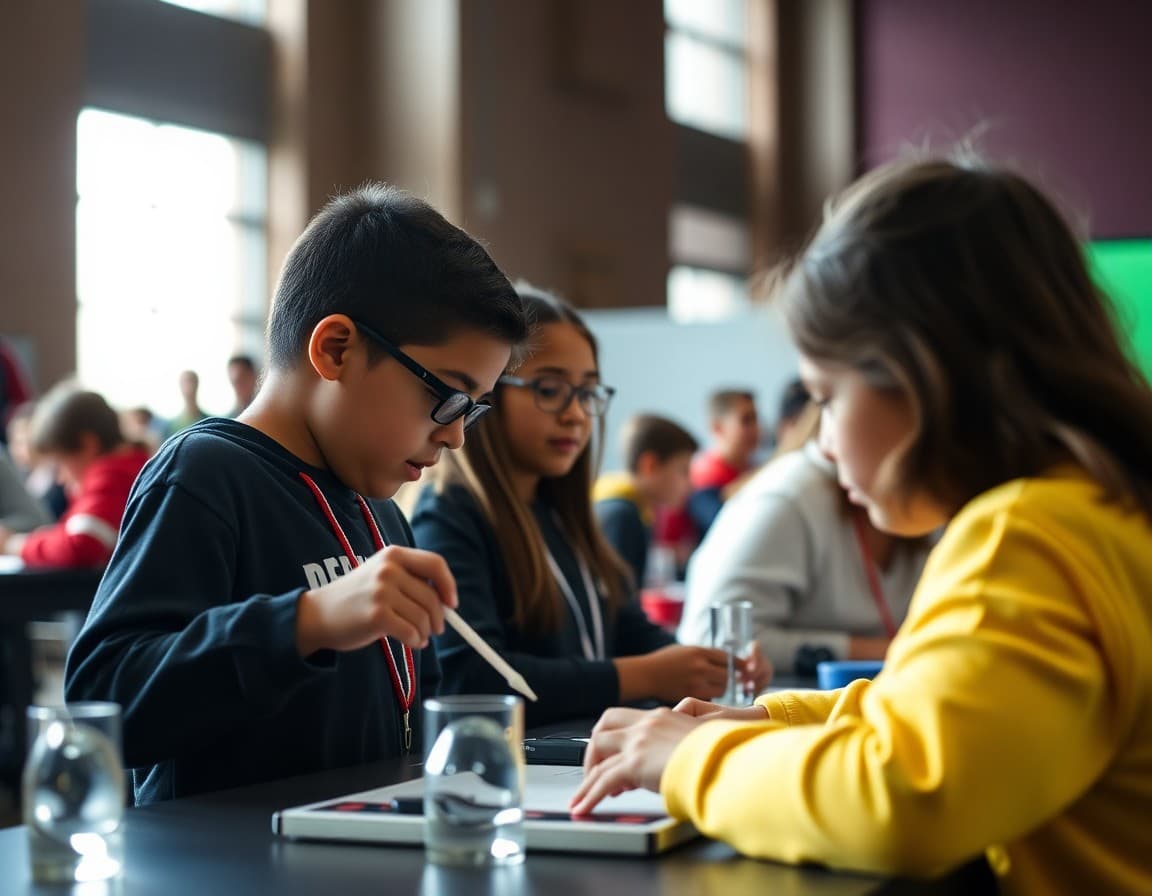
Ohio Science Olympiad is one of the most competitive state programs in the country. Multiple invitational tournaments run throughout fall, with regional and state competition in winter and spring. The state tournament draws hundreds of teams from across Ohio. MATHCOUNTS Ohio chapter competitions run in fall and winter with state competition in February. Ohio Academic Decathlon and Future Problem Solving both have strong state-level programs. For each competition, include registration deadlines, grade eligibility, and preparation expectations in your newsletter.
Ohio's University Enrichment Ecosystem
Ohio has an unusually strong university ecosystem for gifted enrichment. Ohio State, Case Western, University of Cincinnati, Ohio University, and multiple other universities all run programs for advanced learners. John Carroll University's gifted enrichment program, Kent State's programs for advanced learners, and Wright State's STEM enrichment are all worth mentioning. National programs including Duke TIP and Johns Hopkins CTY also serve Ohio students. Your spring newsletter should feature these options with application timelines and scholarship information.
Advocacy for Service Delivery
Ohio's distinction between identification and service delivery creates a policy gap: some identified gifted students are not receiving services because their district does not fund adequate program delivery. Your newsletter can inform families of their right to ask about service delivery for their identified child, what services the district currently provides, and how families can advocate for expanded services. This is sensitive territory, but families who understand the gap between identification and services are more effective advocates for program improvement.
A Sample Ohio Newsletter Section
Here is language that works: "WEP Reviews Begin February 3: If your child is receiving gifted services, you will receive a WEP review invitation this week. These meetings are 30 minutes. Come prepared to share what you are observing at home about challenge level, engagement, and your child's current academic interests. Your input is part of the official record and shapes the goals we set for next year." Daystage makes sending that kind of procedurally clear, family-focused communication professional and efficient across a large parent list.
Enrichment Updates That Build Program Visibility
A monthly description of what gifted students are working on is the most effective communication for building family investment in Ohio programs. Include the current enrichment unit, what skills it develops, and what students produced or discovered. Ohio families with access to private enrichment and tutoring are evaluating whether the school program adds value. Showing them specifically what that value looks like, in concrete terms, is what keeps those families engaged with the public gifted program rather than seeking alternatives.
Get one newsletter idea every week.
Free. For teachers. No spam.
Frequently asked questions
What does Ohio require for gifted program communication?
Ohio requires that school districts identify gifted students and that identified students who receive gifted services have a Written Education Plan (WEP). The WEP is developed with family input and documents the student's gifted identification areas and the educational services provided. Ohio also requires that districts report on gifted service delivery to the Ohio Department of Education. Families must receive written notification of identification and the WEP.
What is Ohio's Written Education Plan and how should coordinators explain it?
Ohio's WEP is the planning document for students identified as gifted who are receiving gifted services. It documents the student's identification areas, current performance levels, educational goals, and the services or accommodations provided. The WEP must be developed with family input and reviewed annually. Your newsletter should explain the WEP process clearly before each review cycle, including what families should bring to the meeting and how the plan shapes the student's daily instructional experience.
What is the distinction between Ohio's gifted identification and gifted services?
Ohio has an important distinction: students can be identified as gifted through the state's identification process without necessarily receiving gifted services. Services are provided through district programs and are documented in a WEP. Your newsletter should explain this distinction clearly, since families often assume that identification automatically means service delivery. This distinction has significant policy implications for advocacy when identified students do not receive services.
What academic competitions are active in Ohio gifted programs?
Ohio has exceptionally active academic competition programs. Science Olympiad Ohio state tournament is one of the largest in the country. MATHCOUNTS Ohio chapter and state competitions draw strong participation. Ohio Academic Decathlon, Future Problem Solving, and National History Day Ohio all have competitive state events. Several Ohio universities run math circles and competitions. Ohio MATHCOUNTS in particular has a strong coaching culture in gifted programs.
What newsletter platform works for Ohio gifted coordinators?
Daystage works well for Ohio gifted coordinators managing both WEP communication and broader program updates. The platform handles scheduling, photo embedding, and list management without IT involvement. Ohio coordinators managing programs in large districts like Columbus, Cleveland, or Cincinnati appreciate being able to send a consistent professional newsletter to hundreds of families without significant administrative overhead.

Adi Ackerman
Author
Adi Ackerman is a former classroom teacher and curriculum writer with 8 years in K-8 schools. She writes about school communication, parent engagement, and what actually works in real classrooms.
More for Gifted & Advanced
Ready to send your first newsletter?
3 newsletters free. No credit card. First one ready in under 5 minutes.
Get started free