

Nebraska Gifted Program Newsletter Guide for Coordinators
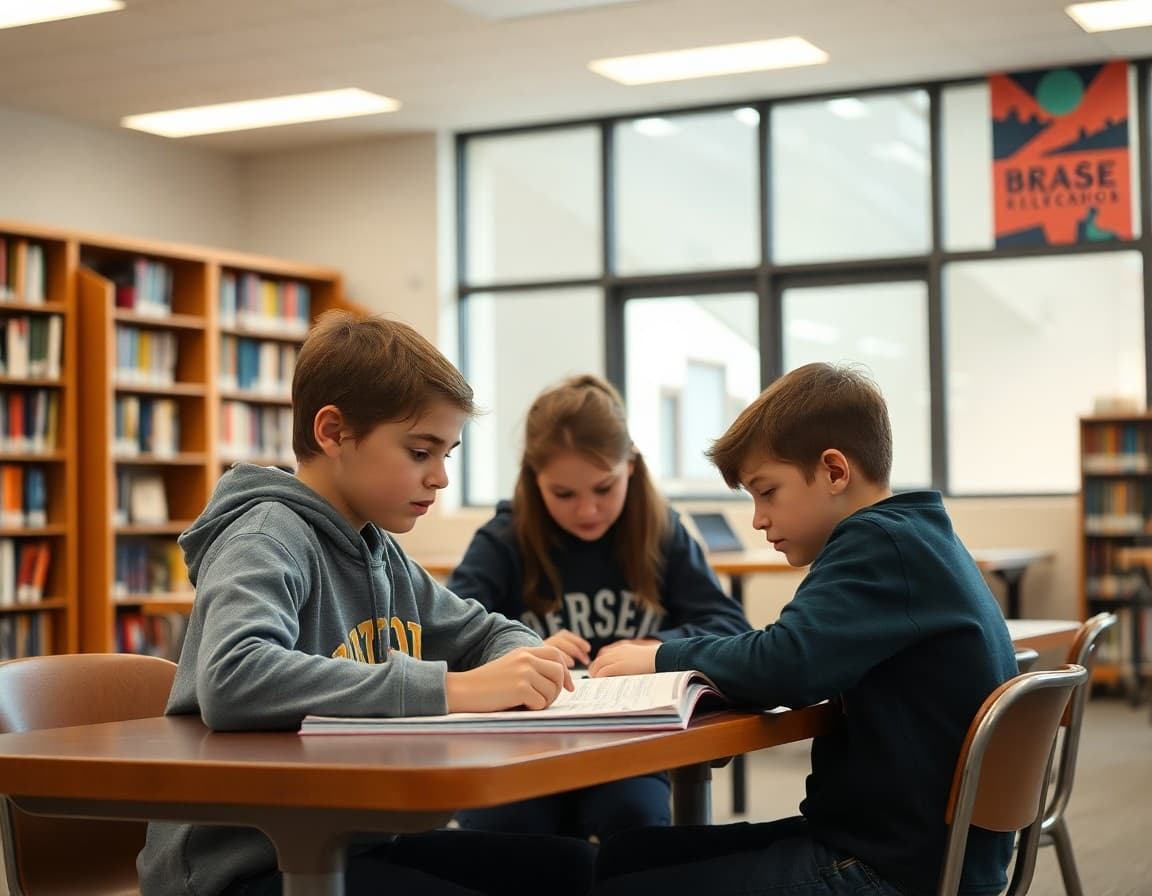
Nebraska's gifted education framework includes an individual learning plan requirement that reflects a genuine commitment to individualized programming rather than one-size-fits-all enrichment. That commitment depends on family participation to be meaningful. Families who do not understand the ILP process, who arrive at planning meetings unprepared, or who do not know their rights under the framework are not effective partners. Your newsletter is what closes that gap.
Nebraska's Gifted Education Framework
Nebraska requires that districts identify and serve gifted learners using multiple criteria and maintain individual learning plans for those students. The Nebraska Department of Education provides program standards that districts are expected to meet, and gifted education is part of Nebraska's broader exceptional student framework. Your newsletter should explain your program in the context of these state requirements, helping families understand that the ILP process is not bureaucratic paperwork but the mechanism that should drive your program's response to their child's specific needs.
Identification and Multi-Criteria Review
Nebraska's multi-criteria identification considers intellectual ability, academic achievement, creativity, leadership, and visual or performing arts. Your fall newsletter should explain the specific criteria and instruments your district uses, how the review committee weighs different data points, and what the timeline looks like from referral to written determination. Families who understand the multi-criteria nature of the process are less likely to misinterpret a denial as reflecting their child's overall ability and more likely to engage productively with the outcome.
Individual Learning Plan Communication
The ILP is the cornerstone of Nebraska's gifted program. Explain in your newsletter what the plan contains, when development and review meetings occur, and what families should bring to those meetings. The ILP should reflect the student's specific strengths and interests, not just generic gifted enrichment goals. Families who come to the meeting knowing that their input will shape specific learning goals engage differently than those who assume the plan is already written and they are just being informed of it.
Enrichment Activities and Program Content
A monthly description of current enrichment activities connects families to what their child is actually doing during gifted time. Nebraska gifted programs use pull-out enrichment, independent study, differentiated instruction, and advanced coursework depending on the district. Whatever your model, describe it specifically. A photo from an enrichment session paired with a brief description of the learning goals is significantly more engaging than a sentence about "higher-order thinking."
University of Nebraska and Enrichment Resources
University of Nebraska-Lincoln and UNO both offer programs for advanced learners, including summer enrichment courses and research opportunities. Creighton University and Nebraska Wesleyan also provide enrichment options accessible to Nebraska families. National talent search programs including Duke TIP, Johns Hopkins CTY, and Iowa's Belin-Blank Center serve Nebraska students. For rural Nebraska families, online and distance enrichment through these programs provides challenge that may not be available locally. Your spring newsletter should feature these options with deadlines and scholarship information.
Academic Competition Calendar
Nebraska Science Olympiad, MATHCOUNTS chapter and state competitions, Nebraska Academic Decathlon, and Nebraska History Day competition all provide competitive enrichment pathways. For rural Nebraska students, online competition formats including AMC mathematics and virtual academic challenges are particularly valuable. Include registration deadlines, grade eligibility, and travel information for each competition. Families who plan ahead participate; families who receive advance notice too late do not.
A Sample Nebraska Newsletter Section
Here is language that works: "ILP Reviews Begin in February: You will receive a scheduling email this week. I want your input on the goals before we finalize them. Bring notes about what you're seeing at home: what your child chooses to do with free time, what topics they pursue independently, and any frustrations you've noticed around challenge level. That information shapes what we write into the plan." Daystage makes sending that kind of warm, specific, preparatory communication professional and efficient.
Equity and Access in Nebraska Gifted Programs
Nebraska has worked to address underrepresentation of rural students, Latino students, and students from low-income backgrounds in gifted programs. Universal screening and culturally responsive referral practices matter in a state with significant agricultural communities and a growing Latino population in meat-processing communities. Your newsletter should communicate that referrals are open to all families, that parent nominations carry real weight, and that your program actively seeks to identify gifted students from all backgrounds in your community.
Get one newsletter idea every week.
Free. For teachers. No spam.
Frequently asked questions
What does Nebraska require for gifted program communication?
Nebraska requires that school districts identify and provide services for gifted learners and maintain individual learning plans for identified students. The Nebraska Department of Education provides standards and guidelines for gifted programs. Families must receive notification of identification status and participate in the learning plan process. Nebraska's framework requires individualized planning, making family communication a formal part of program compliance.
How does gifted identification work in Nebraska?
Nebraska uses a multi-criteria approach that considers intellectual ability, academic achievement, creativity, leadership, and visual or performing arts. Districts have flexibility in the specific instruments and thresholds used within NDE guidelines. Your newsletter should explain your district's specific process, including how referrals are initiated, what assessments are involved, and what the timeline from referral to eligibility determination looks like.
What is Nebraska's individual learning plan for gifted students?
Nebraska requires that identified gifted students have an individual learning plan developed with family input. This plan documents the student's strengths, learning goals, and the programming designed to meet their advanced needs. It should be reviewed annually. Your newsletter should explain the ILP process before each review cycle and describe what families should contribute to make the plan genuinely individualized rather than generic.
What academic competitions are active in Nebraska?
Nebraska has Science Olympiad participation, MATHCOUNTS chapter and state competitions, Nebraska Academic Decathlon, and Future Problem Solving. Nebraska History Day competition draws gifted student entries. University of Nebraska enrichment programs and STEM competitions also provide pathways for advanced learners. Your newsletter should list these with registration deadlines and grade eligibility.
What newsletter platform works for Nebraska gifted coordinators?
Daystage works well for Nebraska gifted coordinators managing programs across large geographic areas in both urban districts like Omaha and Lincoln and rural districts in western Nebraska. The platform handles email delivery and scheduling without IT involvement. Coordinators who are the sole gifted specialist for a district find the scheduling feature particularly valuable for maintaining consistent monthly communication.

Adi Ackerman
Author
Adi Ackerman is a former classroom teacher and curriculum writer with 8 years in K-8 schools. She writes about school communication, parent engagement, and what actually works in real classrooms.
More for Gifted & Advanced
Ready to send your first newsletter?
3 newsletters free. No credit card. First one ready in under 5 minutes.
Get started free