

Missouri Gifted Program Newsletter Guide for Coordinators
Missouri's gifted education framework requires individualized planning and consistent family communication, but gives districts significant flexibility in how programs are designed and delivered. That flexibility benefits high-resource districts that can build strong programs. It can disadvantage lower-resource districts where gifted services are thin and communication is inconsistent. Your newsletter cannot fix resource limitations, but it can make whatever your program provides clearly understood by the families who depend on it.
Missouri's Gifted Education Requirements
Missouri requires that districts provide programs for gifted students and develop educational plans that address those students' advanced needs. DESE provides program standards and expects districts to demonstrate how their programs meet those standards. Your newsletter should describe your program in the context of these state expectations, explaining what services your district provides and how the individualized planning process works. Families who understand the framework trust the program more and engage more productively when questions arise.
Identification Process in Your District
Walk families through your district's identification process in your fall newsletter. Missouri districts have flexibility in the criteria and instruments they use, which means your process may look different from a neighboring district. Cover how referrals work, what assessments are involved, who reviews the data, and what timeline families can expect. Being specific about your district's actual process prevents the confusion and frustration that arises when families assume their experience will match what they have heard about elsewhere.
Individual Educational Plans for Gifted Students
Missouri's gifted framework supports individualized educational planning for identified students. Your newsletter should explain when these plans are developed, how families participate in the process, what the plan contains, and when reviews typically occur. The plan should be a living document that responds to the student's evolving needs, not a form completed once and filed. Families who understand this expectation are more likely to request reviews when their child's needs change and more likely to provide the kind of input that makes plans genuinely useful.
Enrichment Activities and Academic Content
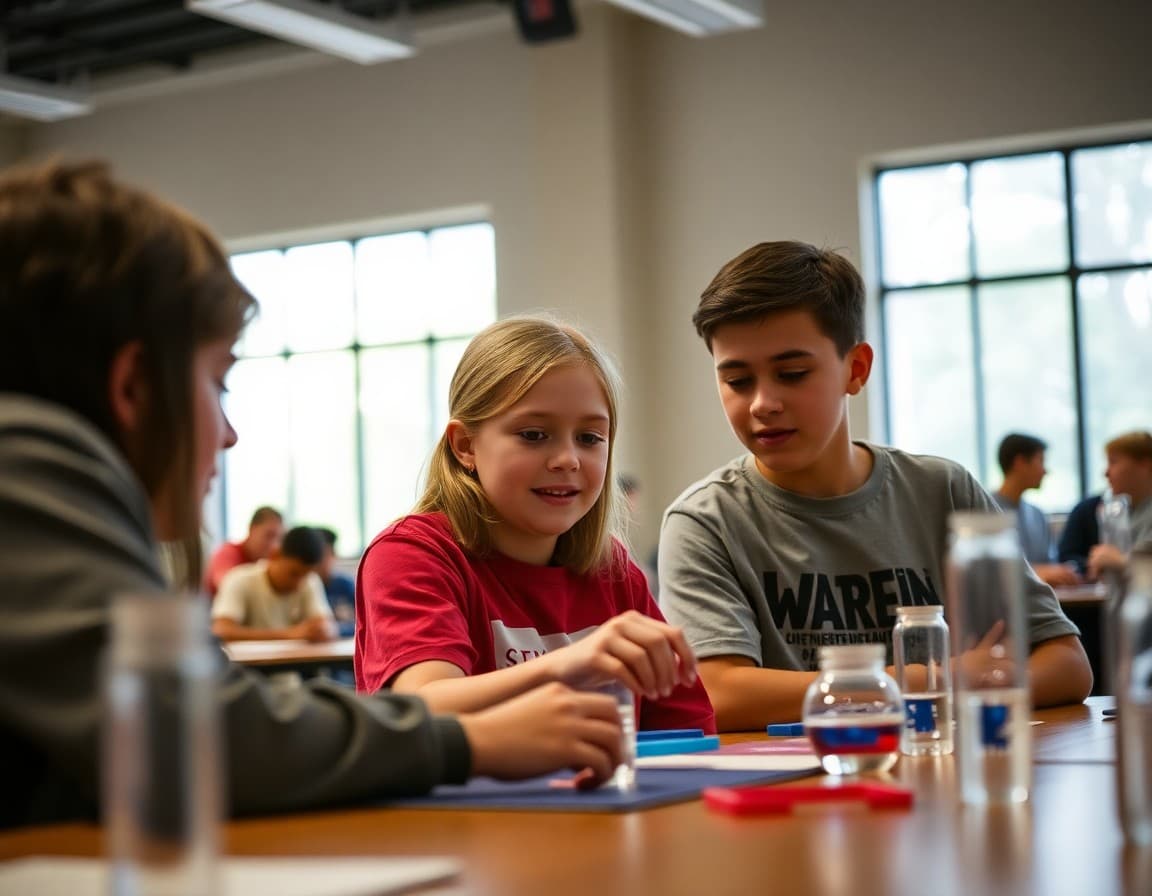
A monthly enrichment update is the section of your newsletter that families engage with most consistently. Describe the current unit, what skills it develops, and what students are producing. Photos from enrichment activities, student quotes about what they found challenging or interesting, and connections to real-world applications all make this section come alive. Missouri families who see specific descriptions of quality enrichment are significantly more likely to value and advocate for the program.
Competition Calendar for Missouri Students
Missouri Science Olympiad runs invitational, regional, and state events. MATHCOUNTS Missouri has active chapter participation with state competition in February. Missouri Academic Decathlon, National History Day Missouri, and Future Problem Solving all have state-level competitions. Gateway Math competition in the St. Louis area is a well-organized regional event worth mentioning. For each competition, include grade eligibility, registration deadline, commitment expectations, and whether travel is required so families can assess feasibility.
Washington University and University Resources
Washington University in St. Louis has enrichment programs for advanced learners, and its proximity to Missouri's eastern population center makes it accessible. University of Missouri's programs, Missouri S&T's STEM enrichment, and programs at regional universities serve gifted students across the state. National programs including Duke TIP, Johns Hopkins CTY, and Northwestern CTD accept Missouri students. Your spring newsletter should feature these with application timelines and scholarship information.
A Sample Missouri Newsletter Section
Here is language that works: "Current Enrichment Unit: Our gifted students are working through a logic and argumentation unit this month. They are analyzing historical debates, identifying logical fallacies, and constructing their own arguments with evidence. Last week they debated the validity of a Supreme Court decision from 1905. The quality of the arguments was higher than I expected, which is usually a sign we found the right material." Daystage makes sharing that kind of specific, intellectually honest description of student work in a professional format efficient and straightforward.
Acceleration Options and Advanced Coursework
Missouri districts generally support subject acceleration and advanced coursework pathways. Dual enrollment with Missouri community colleges and universities provides college credit access for qualifying high school students. For gifted middle school students, algebra and geometry acceleration and honors coursework are common pathways. Your newsletter should describe what acceleration options your district offers and how families can initiate a conversation about them. Many Missouri families do not raise the subject because they assume the decision rests entirely with the school.
Get one newsletter idea every week.
Free. For teachers. No spam.
Frequently asked questions
What does Missouri require for gifted program communication?
Missouri requires that districts provide programs for gifted children and maintain documentation of the services provided. The Missouri Department of Elementary and Secondary Education provides gifted education program standards, and districts are expected to develop individualized educational plans for identified gifted students. Families should receive written notification of identification and participate in educational planning. Consistent newsletter communication supports these requirements.
How does gifted identification work in Missouri?
Missouri uses multiple criteria for gifted identification including intellectual ability, academic achievement, and other relevant data. Districts have flexibility in the specific instruments and thresholds used. Your newsletter should explain your district's specific identification process, including how referrals work, what assessments are involved, and what the timeline from referral to eligibility determination looks like. Missouri families who understand the process engage more constructively with it.
What academic competitions are popular in Missouri gifted programs?
Missouri has strong participation in Science Olympiad (Missouri state tournament), MATHCOUNTS, Missouri Academic Decathlon, Future Problem Solving, and National History Day Missouri. Gateway Math competition in the St. Louis area and various regional academic competitions at Missouri universities provide additional pathways. University of Missouri and Washington University in St. Louis both run enrichment programs for gifted students.
What enrichment resources does Missouri provide through universities?
University of Missouri offers summer and enrichment programs for gifted students. Washington University in St. Louis, Saint Louis University, and Truman State University all have programs accessible to Missouri advanced learners. Missouri University of Science and Technology runs STEM enrichment and competition programs. For families in rural Missouri, online and distance enrichment through Missouri universities and national programs provides important access to challenge beyond what local programs can offer.
What newsletter platform works for Missouri gifted programs?
Daystage is used by school coordinators across Missouri to send professional family newsletters that maintain consistent communication throughout the school year. The platform handles scheduling, photo embedding, and list management without IT support. Missouri coordinators managing programs across large geographic areas, particularly in rural districts, find the scheduling feature valuable for maintaining reliable communication without additional administrative burden.

Adi Ackerman
Author
Adi Ackerman is a former classroom teacher and curriculum writer with 8 years in K-8 schools. She writes about school communication, parent engagement, and what actually works in real classrooms.
More for Gifted & Advanced
Ready to send your first newsletter?
3 newsletters free. No credit card. First one ready in under 5 minutes.
Get started free