

May Gifted Education Teacher Newsletter: What to Communicate
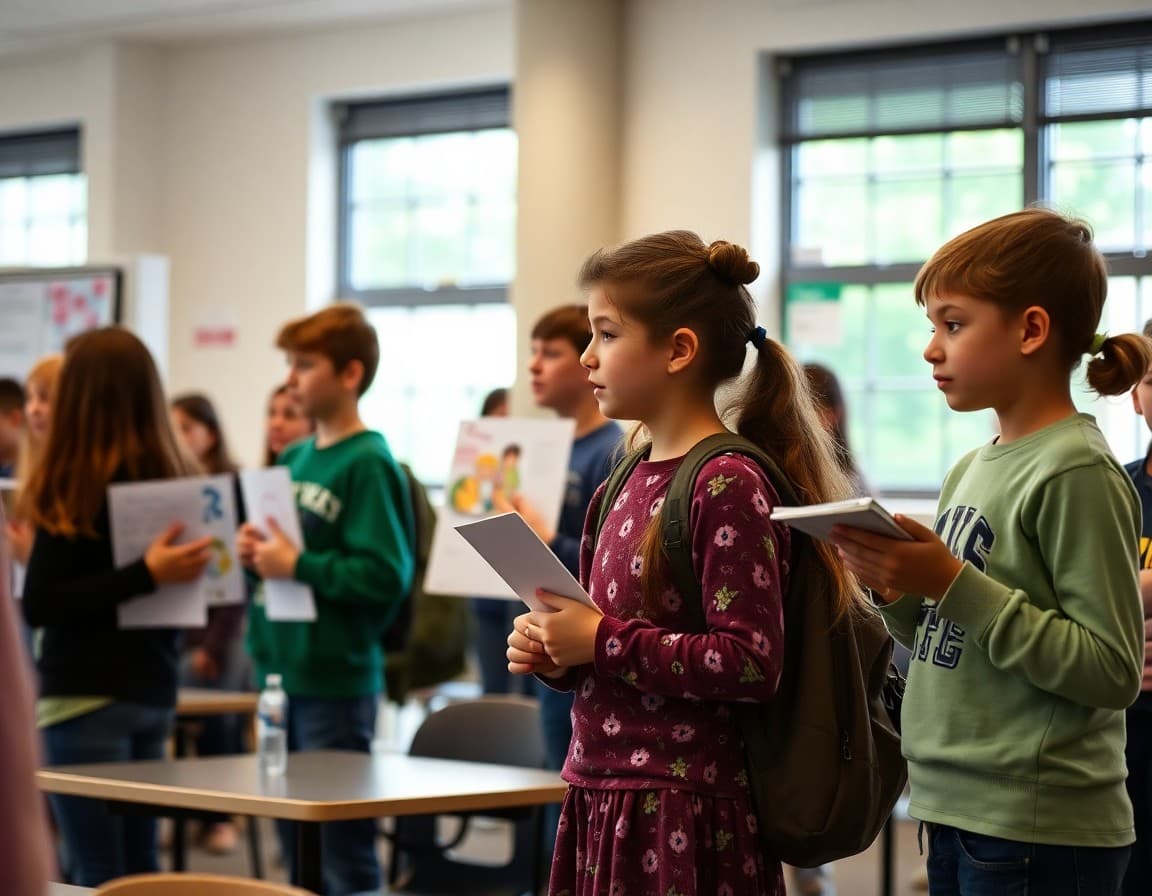
May is a compressed month. Academic competitions are wrapping up, end-of-year testing is either running or just finished, and families are already thinking about summer. As a gifted coordinator, your May newsletter has real work to do: confirm the year's accomplishments, give families actionable information for the summer months, and set the stage for fall transitions.
Start With Acknowledgment of the Year's Work
Open your May newsletter with a brief, specific look back at what the program accomplished. Not a list of every event, but a few moments that capture the depth of what students did. A strong sentence here does more than a paragraph of general praise. Families forwarded your newsletter because they care about what their child built this year, not about institutional milestones.
Competition Results Deserve a Dedicated Section
If your students competed in Science Olympiad, Math Olympiad, Academic Decathlon, or any state academic meet, report those results clearly. Include the level of competition, placement, and what the result means in context. A third-place finish at a regional invitational means something different from a third-place finish at the state championship. Families who were not at the event will read this section closely.
Summer Enrichment Deadlines Are Time-Sensitive
Many gifted families are trying to decide on summer programs in May. University residential programs, local enrichment camps, and online accelerated courses all have application windows that close between May and early July. List the programs you recommend with deadlines and links. If your school or district has a preferred partner program, feature it prominently with any scholarship information available.
Testing and Identification Updates
If spring assessments included any gifted re-evaluation, achievement testing, or IQ screening, May is when families expect an update. You may not have final scores yet, but a brief note on the timeline, when results will be shared, and what the process looks like next year reduces anxiety and phone calls. If testing identified new students for next year, share the welcome timeline.
Transition Communication for Rising Students
Students moving from elementary to middle school, or from middle to high school, need specific information about how the gifted program continues. Will they be in a gifted cluster? Are honors courses available? What is the process for Advanced Placement eligibility? A short transition FAQ section in your May newsletter addresses the questions families will otherwise save for an August email that you cannot answer quickly.
A Sample May Newsletter Opening
Here is a brief excerpt that captures the tone families respond to: "This month we are closing out a year that included 14 Science Olympiad events, 3 state competition qualifiers, and a robotics showcase that drew 200 families. Before we get to summer details, I want to say plainly: this group of students worked hard and it showed." Specific numbers, direct acknowledgment, no filler. Daystage makes it easy to format this kind of intro alongside photos from your end-of-year showcase in a polished send that takes minutes to set up.
Next Year's Program Preview
Close the newsletter with a brief preview of fall. Families who feel informed are less likely to seek reassignment or ask for program exceptions in August. If there are changes to the gifted pull-out schedule, new enrichment options, or a different identification timeline for incoming third graders, say so now. A single paragraph saves you dozens of individual conversations.
Logistics and Contact Information
End with your direct contact and a reminder of the best way to reach you over the summer. Families will have questions. A clear "I check email on Tuesdays through July, and I'll respond within a few days" is more helpful than silence or a vague note about being available. If you have a summer office hour or a scheduled information night for fall, include the date.
Get one newsletter idea every week.
Free. For teachers. No spam.
Frequently asked questions
What should a gifted teacher newsletter cover in May?
May newsletters should address year-end celebrations, competition results, summer enrichment options, and any transitions such as middle school or new course placements. Families want confirmation that their child's progress is being recognized and that next steps are clear. Practical logistics like summer program deadlines round out a useful May send.
When is the best time to send a May gifted newsletter?
Aim for the first week of May so families have enough lead time to act on deadlines for summer programs and competitions. A second send in the final week of May can cover end-of-year event reminders and any late-breaking results from state or national academic competitions.
How do I mention individual student achievements without violating privacy?
Reference achievements by program or team rather than individual names unless you have explicit family permission. For example, write 'our Science Olympiad team placed second' rather than listing students. If families have given permission through your normal communications policy, you can name students on your list.
Should the May newsletter include next year's gifted program information?
Yes. Many families are making scheduling decisions in May. A brief section outlining any changes to the gifted program structure, identification timelines for incoming students, and course options for the following year gives families the lead time they need to ask questions before summer.
What tool works best for sending a polished gifted program newsletter?
Daystage is built specifically for school newsletters and lets you add photos from events, embed competition results, and schedule sends so your May update goes out on the right day without manual effort. Gifted coordinators find it saves real time compared to formatted emails or PDF attachments.

Adi Ackerman
Author
Adi Ackerman is a former classroom teacher and curriculum writer with 8 years in K-8 schools. She writes about school communication, parent engagement, and what actually works in real classrooms.
More for Gifted & Advanced
April Gifted Education Newsletter: Capstone Projects and Year-End Planning
Gifted & Advanced · 6 min read
June Gifted Education Teacher Newsletter: What to Communicate
Gifted & Advanced · 6 min read
Gifted Program End-of-Year Newsletter: Celebrating Advanced Learning and Preparing for Summer
Gifted & Advanced · 5 min read
Ready to send your first newsletter?
3 newsletters free. No credit card. First one ready in under 5 minutes.
Get started free