

Hawaii Gifted Program Newsletter Guide for Coordinators
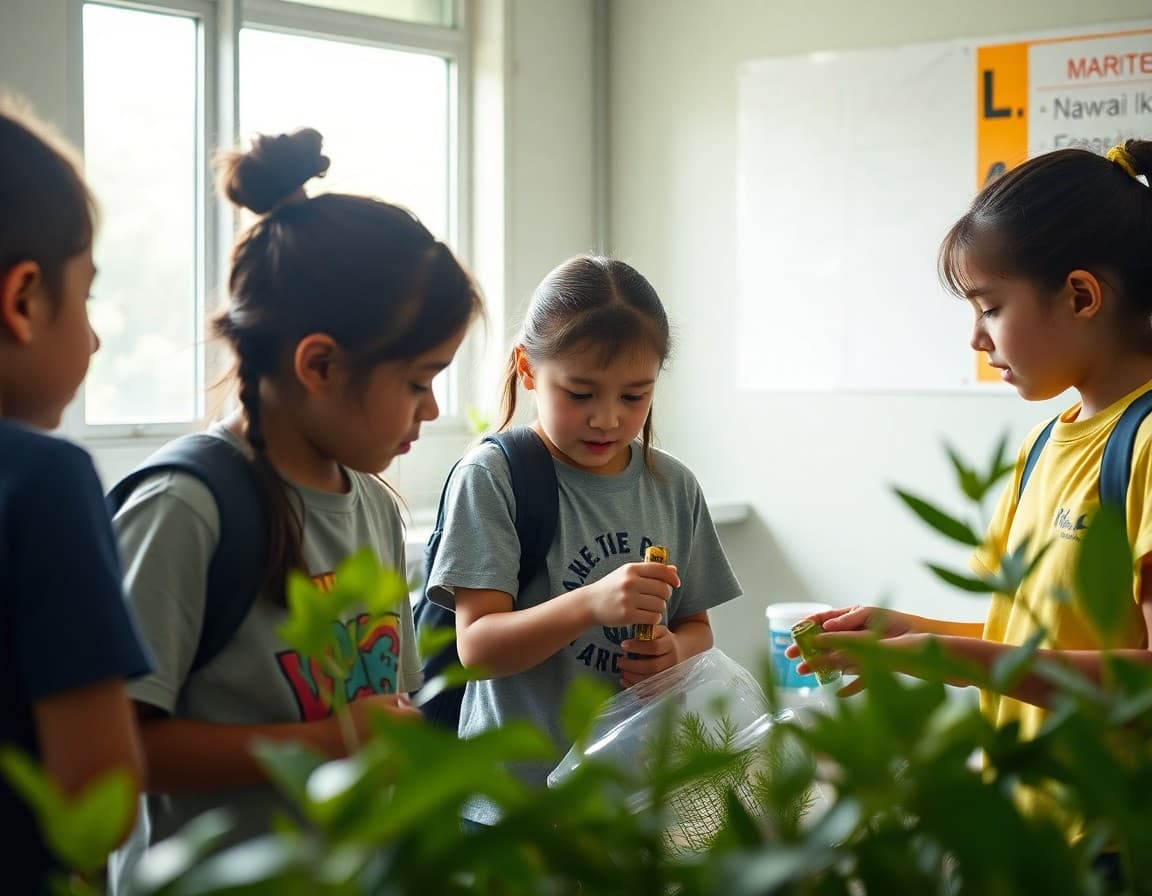
Hawaii's gifted programs operate within a context that no other state shares: a single unified school district covering the entire state, a multicultural community with deep roots in Native Hawaiian and Pacific Islander traditions, and a geographic reality that creates both challenges and opportunities for enrichment. Your newsletter needs to work within that specific context, not import a template designed for a suburban Illinois district. Here is how to do that well.
Hawaii's Unified School District Structure
As the only state with a single unified school district, Hawaii's gifted program is more centralized than almost anywhere in the country. The Hawaii Department of Education sets identification criteria and program standards that apply across all schools. But program delivery varies significantly between school sites, particularly between those on Oahu and those on neighbor islands. Your newsletter should explain what the statewide framework looks like and then be specific about what your particular school offers within that framework.
Gifted Identification in Hawaii
HIDOE uses a multiple-criteria approach to gifted identification that considers cognitive ability, academic performance, and other factors. The process involves teacher nominations, family input, and formal assessment. Walk families through the specific steps in your school's process and the timeline from referral to decision. Hawaii's diverse student population means that equitable identification, including culturally appropriate referral processes that capture gifted students from all communities, is an important story to tell in your newsletter.
Culturally Responsive Enrichment
Hawaii's geographic and cultural context provides enrichment opportunities that few mainland programs can match. Environmental science connected to Hawaii's unique ecosystems, Native Hawaiian studies, Pacific Islander history and navigation, and research opportunities tied to NOAA, University of Hawaii, and the Pacific Tsunami Warning Center give gifted students access to genuinely distinctive learning. Your newsletter should feature these opportunities specifically. A gifted program that ignores Hawaii's context and focuses only on mainland-style enrichment misses what makes education here distinctive.
Academic Competition Opportunities
Hawaii Science Olympiad runs a state tournament, MATHCOUNTS holds chapter and state competition, and Science Bowl has a regional presence. The Hawaii Science and Engineering Fair draws middle and high school entries from across the islands. Online competitions including AMC mathematics, various coding challenges, and virtual academic bowl formats are particularly valuable for Hawaii students given the cost of mainland travel for national events. Your newsletter should list Hawaii-accessible options with registration deadlines and note which competitions your program has historically supported.
University of Hawaii Enrichment Programs
UH Manoa and UH Hilo both offer enrichment programs, summer courses, and research opportunities for advanced high school students. The UH system's connections to NASA, NOAA, and the Pacific Biosciences Research Center create genuine research experiences for gifted students interested in science. Early college options through UH community colleges are available for eligible high school students. Your spring newsletter should describe these pathways with enrollment information and any scholarship or cost assistance available.
Inter-Island Access and Equity
Students on Maui, the Big Island, Kauai, Molokai, and Lanai face different enrichment access than students in Honolulu. Your newsletter should acknowledge this directly and describe what is available to students at your specific school site. If some enrichment requires travel to Oahu, say so and include any funding resources. If online options fill gaps for neighbor island students, feature them prominently. Pretending that geography does not affect access serves no one.
A Sample Hawaii Gifted Newsletter Section
Here is an approach that works: "This quarter our gifted students partnered with the University of Hawaii Sea Grant program on a water quality project. They collected samples from three local waterways, ran tests at the university lab, and are preparing a presentation for the school board next month. The data they found was surprising. I'll share it when they present." Daystage makes sharing that kind of story, with photos from the project, simple and professional regardless of where you are in the state.
Summer Enrichment in Hawaii
Hawaii has summer enrichment options through UH, private programs, and national residential programs that accept Hawaii students. The cost and logistics of mainland travel mean that local summer programs deserve prominent coverage in your spring newsletter. Include UH summer institutes, Punahou and Iolani scholarship opportunities, and any statewide gifted summer programs offered through HIDOE. For families considering mainland residential programs, note scholarship options that make them financially accessible from Hawaii.
Get one newsletter idea every week.
Free. For teachers. No spam.
Frequently asked questions
How is Hawaii's gifted education structured differently from other states?
Hawaii has a single statewide school district, the Hawaii Department of Education, which makes it unique among all 50 states. Gifted programming under HIDOE is more centralized than in states with hundreds of independent districts. The Hawaii Gifted and Talented Program operates statewide, though programs at individual schools vary. Your newsletter should describe what your specific school offers within this unified framework.
What should a Hawaii gifted newsletter cover?
Key topics include the identification process used by HIDOE, what services are available at your specific school site, enrichment opportunities unique to Hawaii's environment and cultural context, competition opportunities, University of Hawaii programs for gifted youth, and any statewide programs or resources your families should know about. Hawaii's multicultural community also means cultural responsiveness in your newsletter language matters.
What academic competitions are available to Hawaii gifted students?
Hawaii gifted students participate in Science Olympiad (Hawaii state tournament), MATHCOUNTS, Science Bowl, and Future Problem Solving. Hawaii Science and Engineering Fair draws strong gifted student participation. The geographic reality means national in-person competitions sometimes involve significant travel, so online competition options are particularly valuable for Hawaii students and deserve mention in your newsletter.
How do I address cultural responsiveness in my Hawaii gifted newsletter?
Hawaii's student population includes Native Hawaiian, Pacific Islander, Asian American, and many other communities. Gifted identification research shows that traditional assessments can underrepresent students from some cultural and linguistic backgrounds. Your newsletter can acknowledge this by explaining how your program ensures equitable referral and identification practices and by featuring enrichment activities that connect to Hawaii's cultural and environmental context.
What newsletter tool works well for Hawaii gifted programs?
Daystage works well for Hawaii coordinators because it handles email delivery reliably and requires no district IT involvement for setup. Coordinators at individual school sites within HIDOE can use it to communicate with their specific school's gifted families independently of the central district communications. The scheduling feature is particularly useful given Hawaii's unique school calendar.

Adi Ackerman
Author
Adi Ackerman is a former classroom teacher and curriculum writer with 8 years in K-8 schools. She writes about school communication, parent engagement, and what actually works in real classrooms.
More for Gifted & Advanced
Ready to send your first newsletter?
3 newsletters free. No credit card. First one ready in under 5 minutes.
Get started free