
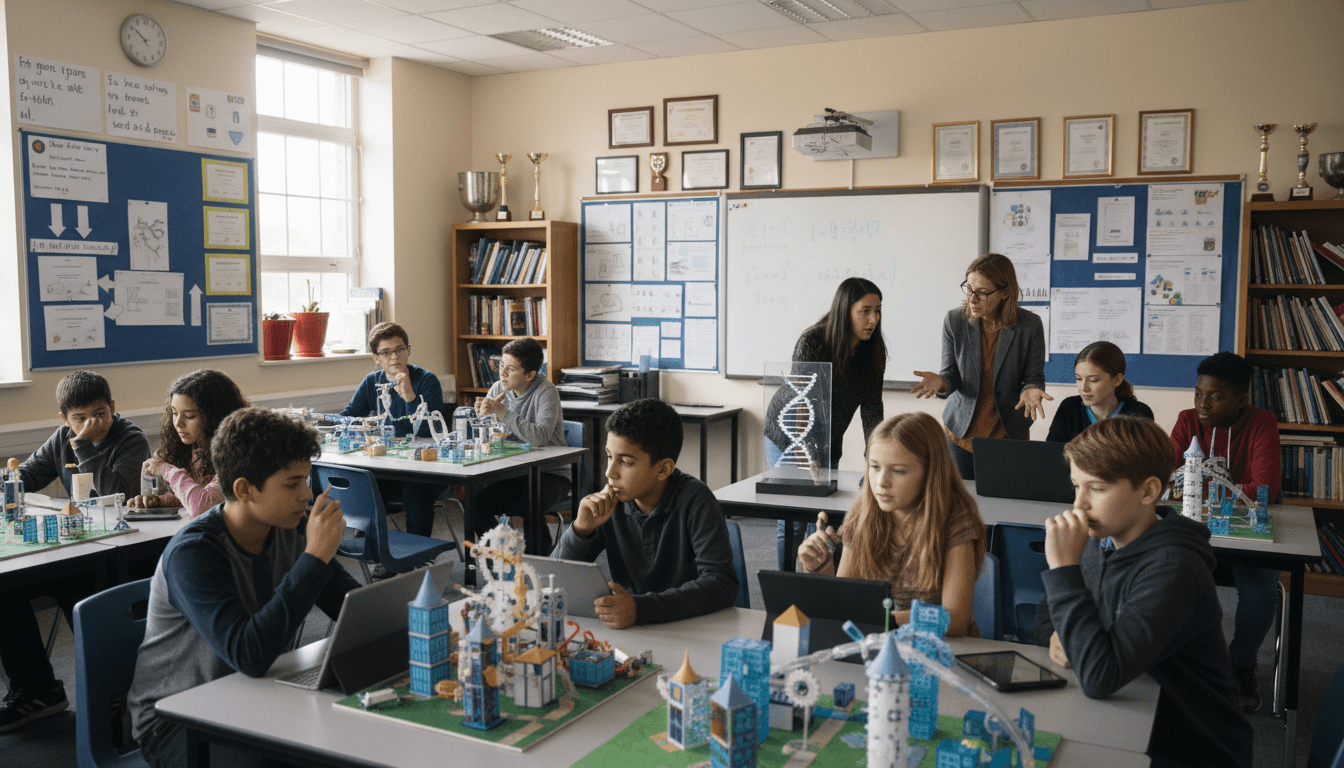
Advanced Learner Social-Emotional Newsletter: Supporting the Whole Gifted Student
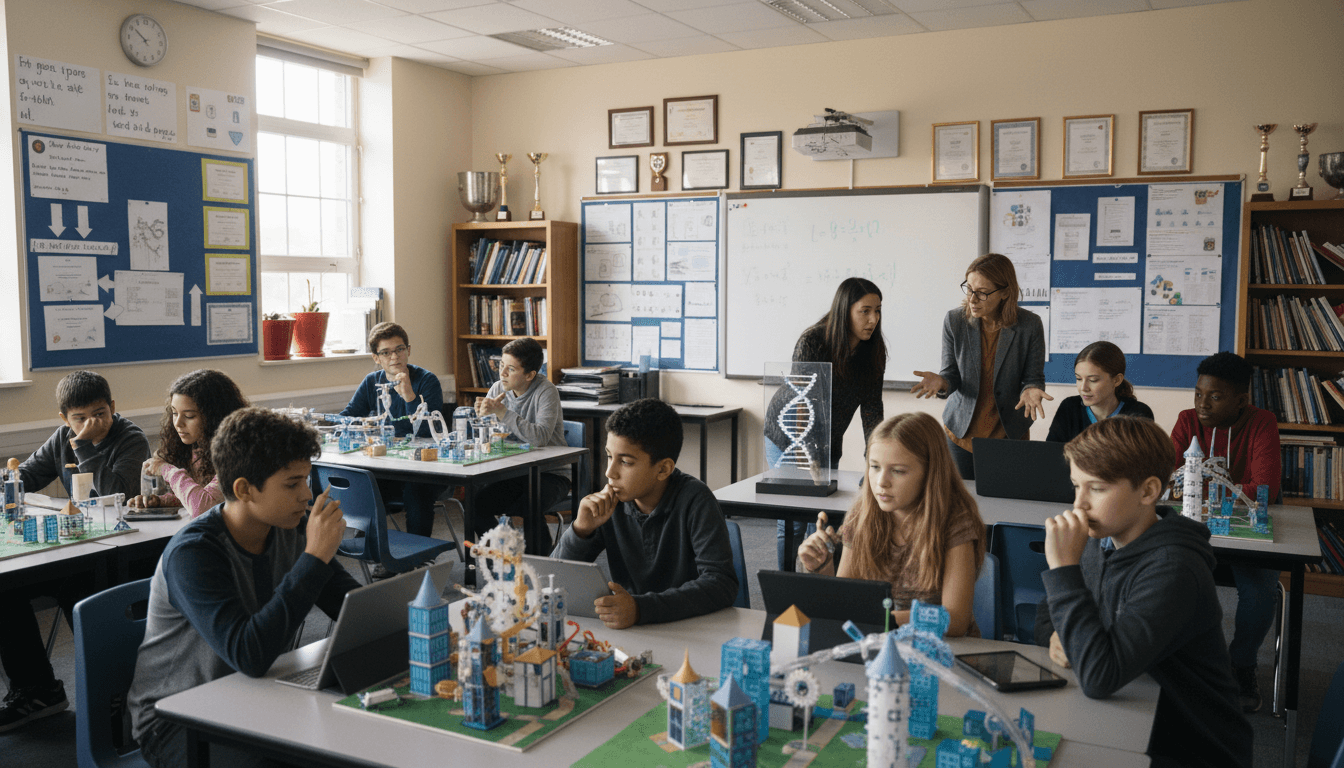
Gifted learners are not just cognitively advanced students. They often experience the world with more intensity, ask harder questions about existence and fairness, feel their emotions more acutely, and struggle in ways that are specific to their profile. A gifted program newsletter that only addresses academic enrichment is missing half the picture.
This guide covers the social-emotional topics most relevant to gifted learners, how to write about them in ways families find useful rather than alarming, and how to provide strategies that work within the gifted experience.
The social-emotional landscape of gifted learners
Gifted learners commonly experience:
- Perfectionism: An internal standard so high that imperfect work feels unacceptable, sometimes leading to avoidance, procrastination, or anxiety.
- Intensity and overexcitabilities: Heightened emotional, intellectual, imaginational, psychomotor, or sensory responsiveness that can feel overwhelming to the student and confusing to the adults around them.
- Asynchronous development: The experience of being significantly advanced in one area while developing typically in others, creating an uneven profile that is hard for the student and their environment to navigate.
- Social isolation: The experience of feeling fundamentally different from peers, not in a superior way but in a lonely one, especially when the depth of the student's interests or the intensity of their thinking goes unmet in social settings.
- Imposter syndrome: In programs with other gifted students, some previously high-performing students experience anxiety about no longer being the strongest in the room.
How to address perfectionism in a newsletter
Perfectionism is the social-emotional challenge families most often raise with gifted coordinators. A newsletter that explains what perfectionism looks like in gifted students, why it develops, and what strategies work is genuinely useful.
Keep the framing strength-positive: perfectionism emerges from high standards and care about quality. The problem is when those standards become paralyzing rather than motivating. Strategies that help include normalizing mistakes explicitly ('what did you try that did not work?'), praising process rather than results, and modeling imperfection as an adult.
Writing about intensity without pathologizing it
Intensity in gifted students is often mistaken for behavioral problems, ADHD, anxiety, or oppositional behavior. Families who understand that their child's overreactions, extreme curiosity, and emotional depth are characteristic of gifted learners are better equipped to respond supportively.
A newsletter section that briefly describes intensity, names it as a common gifted characteristic, and offers one or two strategies for supporting an intense child at home is one of the most-appreciated things a gifted newsletter can offer.
Addressing asynchronous development honestly
Asynchronous development is perhaps the hardest concept for families of gifted students to understand because it contradicts the assumption that giftedness means being advanced in everything. A newsletter that explains why a student can analyze literature at a college level while struggling with organizational skills or emotional regulation at an age-typical level gives families a more accurate model of their child.
Building a supportive community for gifted families
The social-emotional newsletter is also an opportunity to build community among gifted families who share similar experiences. A brief invitation to a parent discussion group, an online forum, or a family connection event signals that the school sees the social-emotional dimension of giftedness as program-worthy, not just student-worthy.
Get one newsletter idea every week.
Free. For teachers. No spam.
Frequently asked questions
How often should a gifted program address social-emotional topics in newsletters?
At least quarterly, with the option to go monthly during high-stress periods like exam season or transitions. Social-emotional content for gifted students is not a luxury topic. The intensity, perfectionism, and asynchronous development characteristic of many gifted learners create real challenges that families need information and strategies to address.
What social-emotional topics are most relevant for gifted learners?
Perfectionism and fear of failure, intensity and overexcitabilities, asynchronous development (high intellectual age combined with typical social or emotional age), the isolation of being different from peers, and imposter syndrome in students who are used to being the strongest in the room but now find themselves with intellectual peers. Each of these has research-backed strategies families can use.
How do you write about gifted social-emotional topics without pathologizing giftedness?
Frame challenges as the flip side of strengths rather than as problems. Perfectionism is often connected to the same high standards that drive excellent work. Intensity is connected to the depth of engagement that makes gifted learners so capable. Acknowledging the challenge while honoring the underlying strength feels accurate and does not make families feel their child's giftedness is a burden.
What is the most common mistake in gifted social-emotional newsletters?
Treating social-emotional content as separate from academic content. For gifted learners, the two are inseparable. A student who is too perfectionistic to submit imperfect work will underperform academically. A student who is socially isolated because of their intensity will disengage from learning. The newsletter should always connect social-emotional insights to academic experience.
What tool helps gifted programs send thoughtful, sensitive newsletters about social-emotional topics?
Daystage delivers newsletters directly to family inboxes, which matters for sensitive content. A newsletter about perfectionism or gifted isolation that arrives directly in the email app is more likely to be read than one requiring a click to an external page.

Adi Ackerman
Author
Adi Ackerman is a former classroom teacher and curriculum writer with 8 years in K-8 schools. She writes about school communication, parent engagement, and what actually works in real classrooms.
More for Gifted & Advanced
Gifted Program Transition to Middle School Newsletter: Preparing Families for the Change
Gifted & Advanced · 5 min read
IB Program Newsletter Guide: Communicating the International Baccalaureate to Families
Gifted & Advanced · 6 min read
Gifted Distance Learning Program Newsletter: Communicating Advanced Online Learning to Families
Gifted & Advanced · 5 min read
Ready to send your first newsletter?
3 newsletters free. No credit card. First one ready in under 5 minutes.
Get started free