
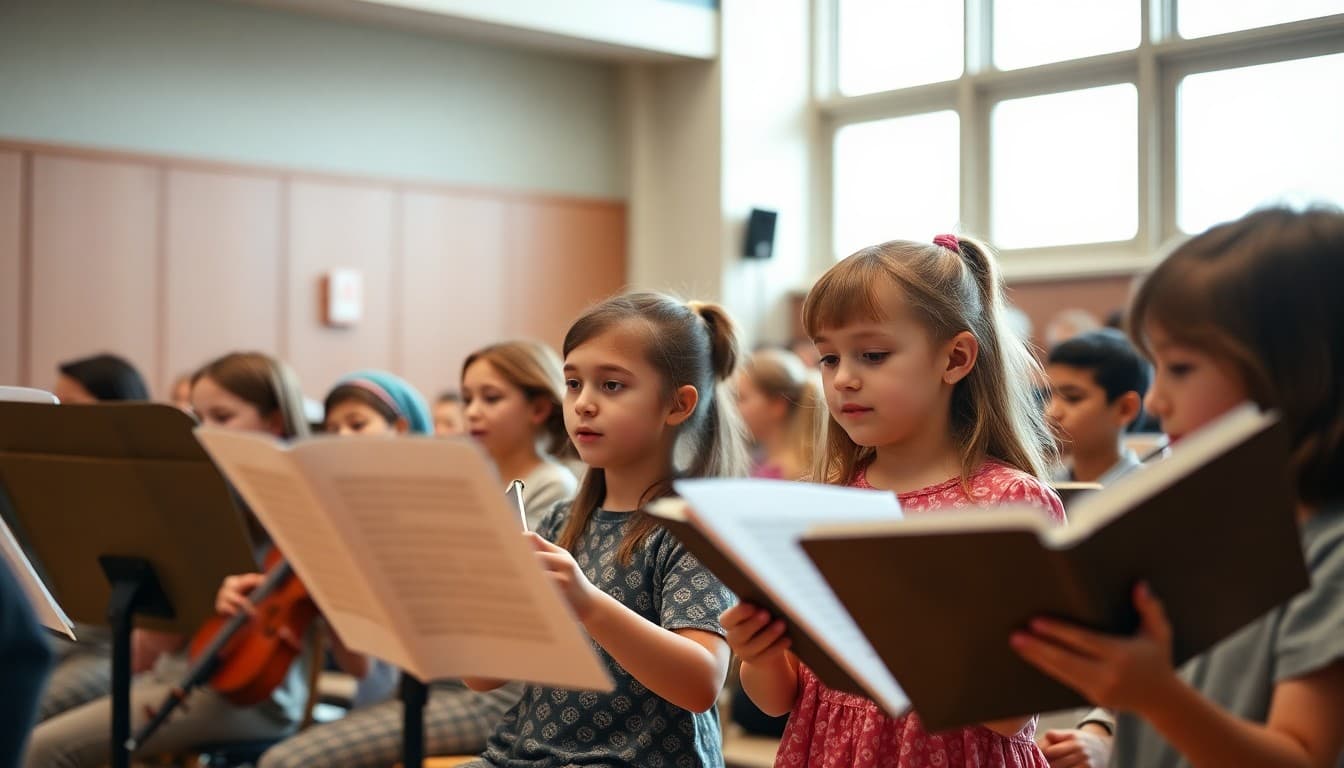
Gifted Music Program Newsletter: Exceptional Young Musicians
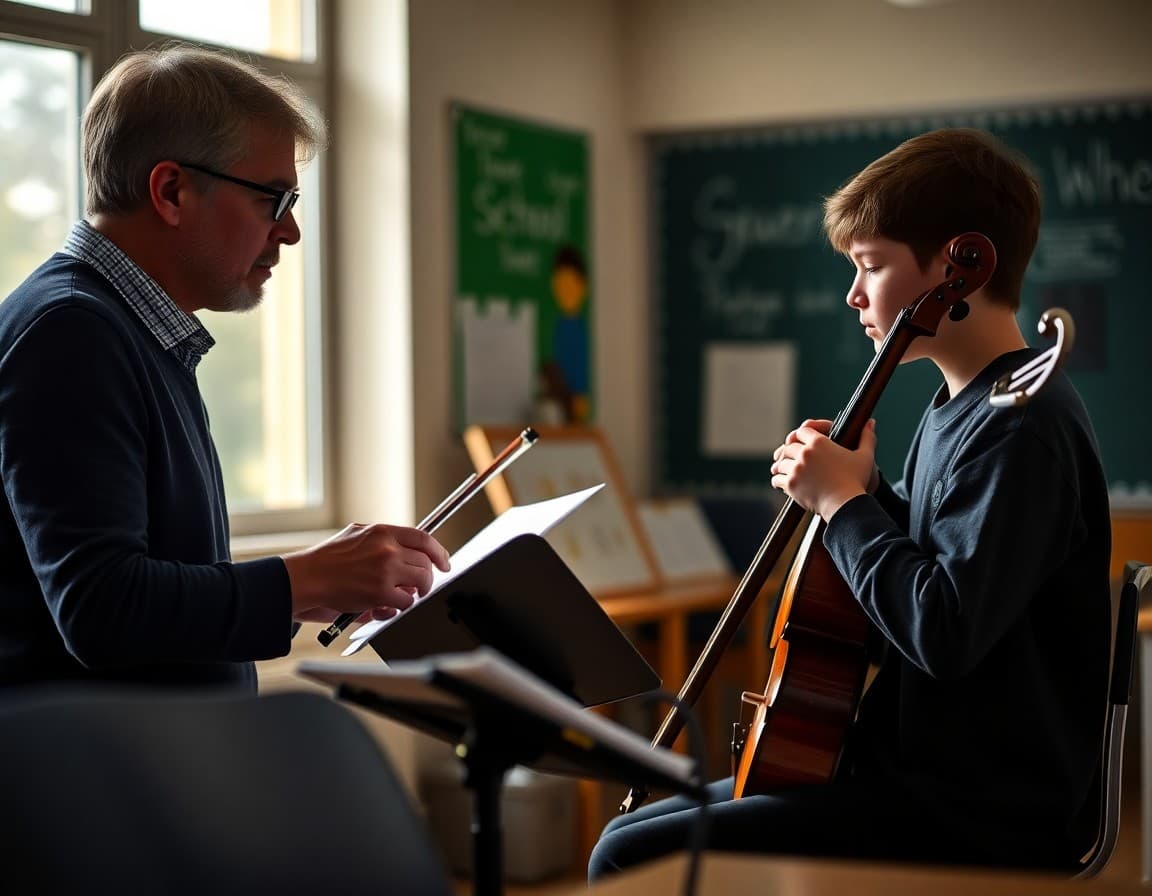
Gifted music students need a different kind of program communication than students in standard ensembles. Their practice requirements are higher, their performance opportunities are more frequent, their audition processes are more demanding, and the path from talented young musician to serious developing artist involves a set of decisions and opportunities that families need to understand well in advance. A gifted music program newsletter gives families that understanding systematically rather than leaving them to piece it together from conversations in the parking lot after concerts.
What Distinguishes Advanced Music Programs
The most important distinction to communicate is not prestige but pedagogy. Advanced music programs work differently from standard ensembles. Chamber music, which typically involves two to five players performing one musician per part, develops independent musicianship in ways that large ensembles cannot because there is no section to hide in. Advanced repertoire requires musicians to solve technical and interpretive problems that take weeks or months rather than days. More frequent performances build a performance mindset that changes how students relate to the material. The newsletter should describe these differences concretely rather than simply telling families that the program is more rigorous.
Practice Expectations and How to Support Them
Practice expectations for gifted music students are substantial, and families who do not understand this are often blindsided by what the program requires. The newsletter should state the expectation directly: for a student in a high school advanced ensemble, daily practice of 45 to 60 minutes is the baseline. Students preparing for All-State auditions, regional youth symphony auditions, or solo competitions may need to practice 90 minutes or more daily in the months leading up to auditions. Families who understand this can protect practice time rather than scheduling activities over it.
Practical home support: consistent, quiet practice space and time, not asking the student to stop in the middle of a passage to do something else, attending performances enthusiastically, and resisting the comparison with non-music family members who use that time differently.
All-State and Honor Ensemble Auditions
Honor ensembles exist at the regional, state, and national level and represent some of the most valuable musical experiences available to advanced student musicians. The newsletter should describe the most relevant opportunities for your students' age level and instrument. Most state All-State processes require students to prepare specific scales, etudes or excerpts, and sight-reading. The required materials are typically released in August or September. Students who begin preparation in September are significantly better prepared by the November or December audition date than students who start in October.
Include the specific audition date, the required repertoire list or a link to it, and the name of the ensemble director who can provide guidance on preparation. If your school has sent students to All-State in recent years, name them in the newsletter. Recognition of past participants motivates current students and demonstrates the program's competitive track record.
Private Instruction and Its Role in Development
Private lessons are often the difference between a talented student and a student who develops into an exceptional musician. The newsletter should address private instruction directly: whether your program recommends it, how to find qualified teachers in your area, and what the cost range looks like. Some students at the advanced level are also candidates for instruction with university faculty or professional musicians who work with pre-college students. If any of your advanced students are studying at a conservatory preparatory division or university community music school, describe that option for families who do not know it exists.
Template Excerpt: All-State Audition Preparation Newsletter
Here is an excerpt for the fall audition preparation newsletter:
"All-State Audition Preparation: This year's All-State auditions are scheduled for December 4-5. Required materials for all instruments are listed below. Students should be working on scales and etudes daily beginning now. The audition includes scales, the listed etude or excerpt, and one sight-reading exercise. Students who auditioned last year should note that the etude has changed. Sheet music is available from [source]. Please contact Mr. Okonkwo at [contact] if you have questions about preparation or to arrange additional coaching."
Summer Programs and Next-Level Opportunities
The most significant development opportunities for gifted musicians often happen in summer programs. Interlochen Arts Camp in Michigan, the National Youth Orchestra of the United States of America, Tanglewood Music Center for older students, and dozens of state and regional summer orchestras and music festivals provide intense, immersive experiences that accelerate musical development significantly. Include a brief list of relevant programs, the age ranges, the general cost range, and scholarship availability. For programs with January or February application deadlines, send this newsletter in December or early January so families have time to complete applications.
Get one newsletter idea every week.
Free. For teachers. No spam.
Frequently asked questions
How are students identified for gifted music programs?
Most gifted music programs identify students through a combination of audition, teacher recommendation, and sometimes a musical aptitude measure. Auditions typically assess pitch discrimination, rhythmic accuracy, sight-reading ability, tone quality, and musicality. Teacher recommendation covers consistent practice, musical growth rate, and performance experience. Some programs also accept students who have demonstrated exceptional relative pitch or composition ability.
What does a gifted music program offer beyond regular band or choir?
Advanced programs offer smaller ensembles where each part is performed by one musician, more challenging repertoire, more frequent performance opportunities, exposure to chamber music and solo literature, opportunities to participate in All-State auditions and honor ensembles, and instruction from performers who bring professional experience into the teaching. The primary distinction is personalized challenge within a peer group of serious musicians.
How much practice is expected from students in advanced music programs?
Expectations vary by program level and instrument. A student in a middle school advanced ensemble might be expected to practice 30 to 45 minutes daily. A high school student working toward All-State auditions might practice 60 to 90 minutes daily in the months leading up to the audition. A student studying privately with a conservatory teacher might practice two or more hours daily. The newsletter should state the specific expectation for your program.
What are All-State and honor ensemble auditions, and when should students start preparing?
All-State auditions are competitive processes managed by state music education associations that place top student musicians into a high-level ensemble performing at the state level. Most states hold auditions in November or December for winter All-State festivals. Students begin learning required scales and etudes in September. Students who want to participate need to know the repertoire requirements months ahead of the audition date.
How does Daystage help music program directors communicate with families?
Music directors use Daystage to send performance schedule newsletters, audition preparation guides, and All-State repertoire information to families of advanced music students. The ability to send targeted newsletters to specific ensemble families, rather than the entire music department, keeps communications relevant and reduces inbox fatigue.

Adi Ackerman
Author
Adi Ackerman is a former classroom teacher and curriculum writer with 8 years in K-8 schools. She writes about school communication, parent engagement, and what actually works in real classrooms.
More for Gifted & Advanced
Ready to send your first newsletter?
3 newsletters free. No credit card. First one ready in under 5 minutes.
Get started free