

Gifted Academic Competition Newsletter: Quiz Bowl and More
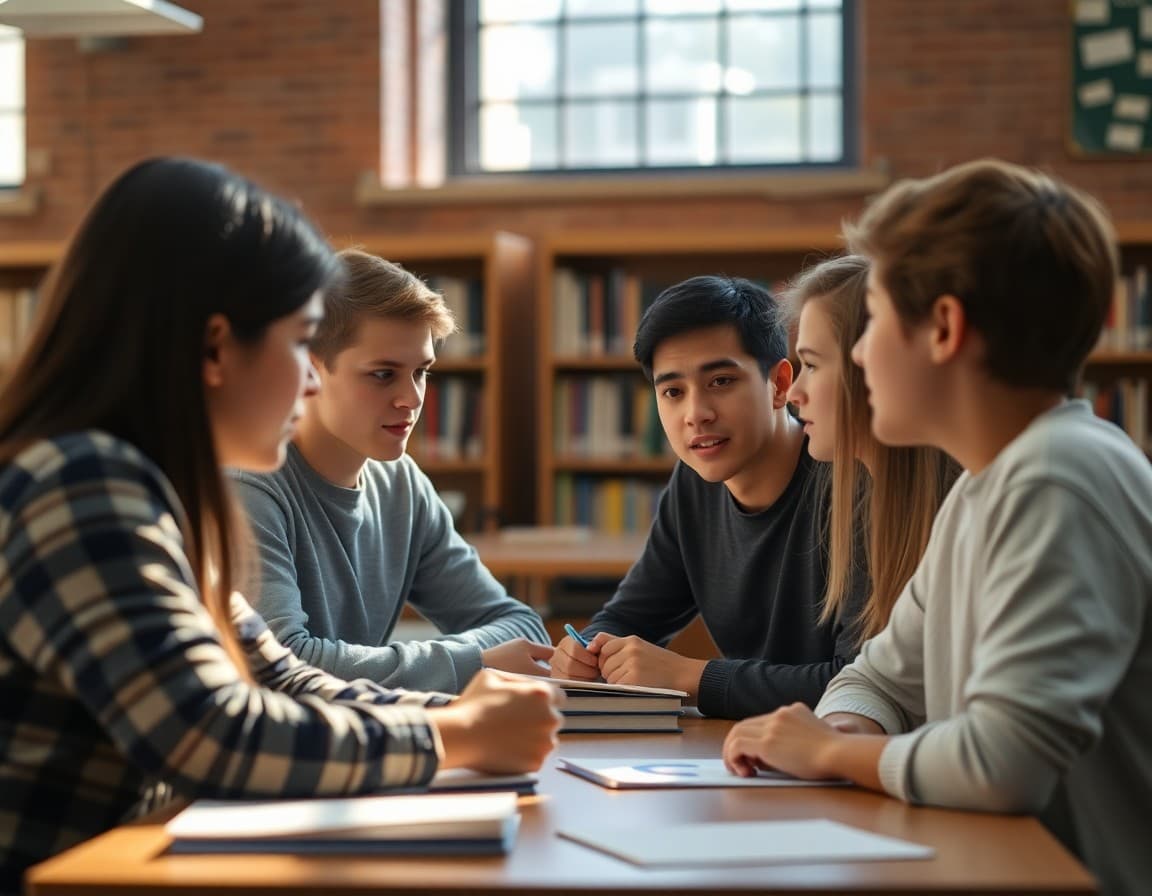
Academic competitions give gifted students something that classroom instruction alone often cannot: an external standard to measure themselves against, a team of intellectual peers, and the experience of performing under pressure. Managing those programs well requires consistent communication with families about practice schedules, competition logistics, results, and next steps. A well-structured gifted academic competition newsletter handles all of that without burying families in email or leaving them to find out about tournament results from their child's backpack three days later.
Introducing the Competition Program at the Start of the Year
Send an overview newsletter at the beginning of the school year that describes every competition your program supports. Include the grade levels eligible, the number of spots available, the general time commitment, and the cost (registration fees, transportation, uniforms). Families cannot make informed decisions about whether their child should try out if they do not have basic information about what they are signing up for. A one-page overview newsletter prevents confusion and reduces the number of individual inquiries the coordinator handles in September.
How to Describe Quiz Bowl Specifically
Quiz Bowl is one of the most accessible and often underexplained competitions. It is a buzzer-based team competition where four to six players answer questions across every subject: history, science, literature, fine arts, geography, and current events. Matches run 20 minutes. Tournaments typically involve five to eight preliminary rounds followed by elimination rounds for top-scoring teams. Students succeed in Quiz Bowl through breadth of knowledge and fast pattern recognition, not just depth in one subject. A student who has read widely and is genuinely curious across many topics is often a better fit than a specialist who knows one subject exceptionally well.
Team Formation and Tryout Communication
When you are ready to form teams, the newsletter should include: the tryout format, the date and location, who is eligible, how many spots are available, and when families will hear the results. If the process involves both academic and interpersonal factors, say so. Competition teams work best when members collaborate well under pressure, and a coordinator who factors that in is doing families a service by explaining the reasoning rather than appearing to make subjective choices without explanation.
Practice Schedule and Parent Expectations
List the full practice schedule as early as possible. Families with multiple children in multiple activities need to see the full calendar to make logistics work. Note whether practices are mandatory, whether students who miss frequently risk losing their spot, and who to contact if a conflict arises. If transportation to tournaments is the family's responsibility, say so clearly and early, not in a reminder sent two days before the event.
Template Excerpt: Competition Results Newsletter
Here is a sample results newsletter you can adapt:
"Dear Quiz Bowl Families, Our team competed at the Regional Tournament on Saturday and finished 2nd out of 14 teams. We won six of our eight preliminary matches and lost in the championship round to Lincoln Middle School by a score of 260 to 230. Individual high scorers were Maya Chen (85 points) and Darius Williams (70 points). We advance to the State Tournament on March 14 in Columbus. Practice resumes Tuesday. More details on state tournament logistics in next week's newsletter."
What to Communicate After a Loss
Academic competition losses hit differently than athletic losses for many gifted students, particularly those who have rarely experienced failure in school. The newsletter after a loss should acknowledge the outcome directly, recognize what the team did well, and frame the experience in terms of long-term development. Avoid hollow reassurances. A sentence like "Losing a close match is hard, and it is also the kind of experience that prepares students for high-stakes environments they will face later" is more useful than "We're so proud of everyone no matter what."
End-of-Season Communication
Send a final newsletter at the end of each competition season that recaps the year: wins, losses, individual highlights, and what the team learned. Invite families to a season-closing celebration if your program holds one. Name the students who will age out and thank them specifically. For continuing students, preview what next season will look like and when recruitment or tryouts begin. A season that ends with a clear, warm summary newsletter builds the program's reputation and makes next year's recruitment significantly easier.
Get one newsletter idea every week.
Free. For teachers. No spam.
Frequently asked questions
What academic competitions are most commonly offered in K-12 schools?
The most widely available competitions include Academic Decathlon (high school), Quiz Bowl (grades 6-12), Science Olympiad (grades 3-12), Mathcounts (grades 6-8), National Science Bowl (grades 4-12), Future Problem Solving (grades 4-12), History Bowl, and Destination Imagination. Many of these have regional, state, and national levels with scholarships at the top tiers.
How do teams typically form for academic competitions?
Most school-based competitions recruit through teacher nomination, open tryouts, or self-selection with a coordinator interview. Team sizes vary by competition: Quiz Bowl typically fields teams of four to six, Science Olympiad requires exactly fifteen members, and Academic Decathlon uses nine-member teams. The newsletter should describe your specific formation process and timeline for families who are new to it.
How much time do academic competitions require from students?
Time commitment varies significantly. Quiz Bowl practice might run one hour per week plus Saturday tournaments. Science Olympiad teams often practice two to four hours per week in the months leading up to regionals. Academic Decathlon requires intensive preparation across ten subjects, with top teams practicing ten or more hours per week. Be direct about the commitment so families can make informed decisions.
How should a school communicate competition results to the community?
Results communication works best as a brief, specific newsletter that names the event, the team's placing, any individual awards, and what comes next (a state competition, a season-ending celebration, or preparation for next year). Keep the tone warm without being over-the-top. A simple 'Our Quiz Bowl team placed second at regionals and advances to the state tournament on March 8' is more useful than vague praise.
Can Daystage help with academic competition communication?
Yes. Daystage lets you send competition-specific newsletters to team families with logistics, practice schedules, and results. You can also share results with the full school community in a separate broadcast, keeping team logistics out of school-wide messages where they would be irrelevant to most families.

Adi Ackerman
Author
Adi Ackerman is a former classroom teacher and curriculum writer with 8 years in K-8 schools. She writes about school communication, parent engagement, and what actually works in real classrooms.
More for Gifted & Advanced
Ready to send your first newsletter?
3 newsletters free. No credit card. First one ready in under 5 minutes.
Get started free