
Gifted Art Program Newsletter: Exceptional Young Artists
Gifted art programs serve students whose visual thinking, creative problem solving, and technical development outpace what a standard art curriculum can address. Communicating with families about what those programs actually involve, what is expected of students, and what opportunities are available beyond the school day is an essential part of running the program well. A gifted art program newsletter that covers these bases clearly saves the art teacher dozens of individual conversations and keeps families genuinely engaged in their child's artistic development.
Describing What Advanced Art Instruction Looks Like
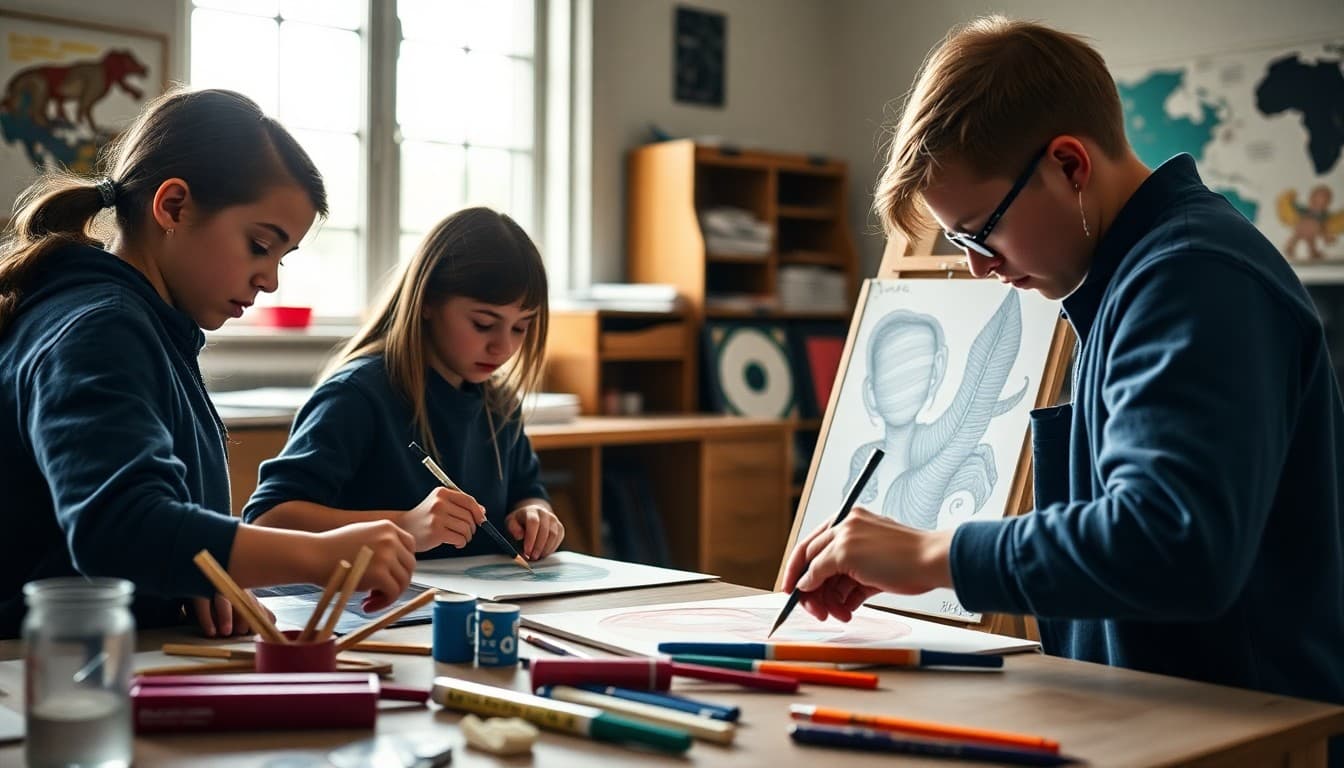
Many families assume art class is art class. A gifted art program newsletter should explain how advanced instruction differs from the standard art curriculum. In a gifted art setting, students work with a much wider range of media, study art history and criticism as tools for developing their own work rather than as separate academic exercises, receive individual critique on their technique and compositional choices, and are expected to develop a coherent body of work over time rather than completing isolated projects. The pace is faster, the expectations are higher, and the student drives more of the direction.
Portfolio Development and Documentation
Portfolio development is the central ongoing expectation of most gifted art programs. The newsletter should describe what a portfolio involves: which pieces are selected and why, how work is photographed or digitized for submission, what the annotation or artist statement process looks like, and what the portfolio will eventually be used for. For high school students, a well-developed portfolio is the primary admission criterion for art school programs and for AP Studio Art. Starting the documentation habit early prevents the panicked scrambling that happens when juniors realize they have no record of their best work from earlier years.
Technique and Media Exploration
Gifted art students benefit from exposure to a much wider range of media than standard art classes provide. Name the media your program covers: drawing, painting with multiple media, printmaking, sculpture, ceramics, digital illustration, photography, video, and mixed media. Describe what advanced technique instruction looks like in one or two of these areas. In drawing, for example, advanced students work through gesture, contour, value, perspective, and figure drawing with consistent critique and structured exercises rather than open free-draw time. Families who understand this are less surprised when their child comes home with challenging specific assignments.
Competition and Exhibition Opportunities
The Scholastic Art Awards are the most prominent national competition for student visual artists in grades 7 through 12. In a typical year, more than 350,000 works are submitted nationwide, with Gold Key, Silver Key, and Honorable Mention designations awarded by regional judges. National Medal winners receive scholarships. The newsletter should give families the submission timeline (typically October through December for spring announcements), the categories available, the portfolio size requirements, and who at the school coordinates submissions. State and regional competitions deserve the same treatment.
Template Excerpt: Gifted Art Program Welcome Newsletter
Here is an opening that works well for a new school year newsletter:
"Dear Art Program Families, Your student has been selected for our advanced visual arts program this year. This program meets [days and times] in the [name] studio. Students will work in drawing, painting, and at least one printmaking medium this semester. Portfolio documentation begins immediately: photograph each finished piece with good lighting before it leaves the studio. Our first Scholastic Art Awards submission deadline is November 15. Students who wish to submit should begin selecting work by October 1. Studio supply list attached."
Visiting Museums and Galleries as Part of Art Education
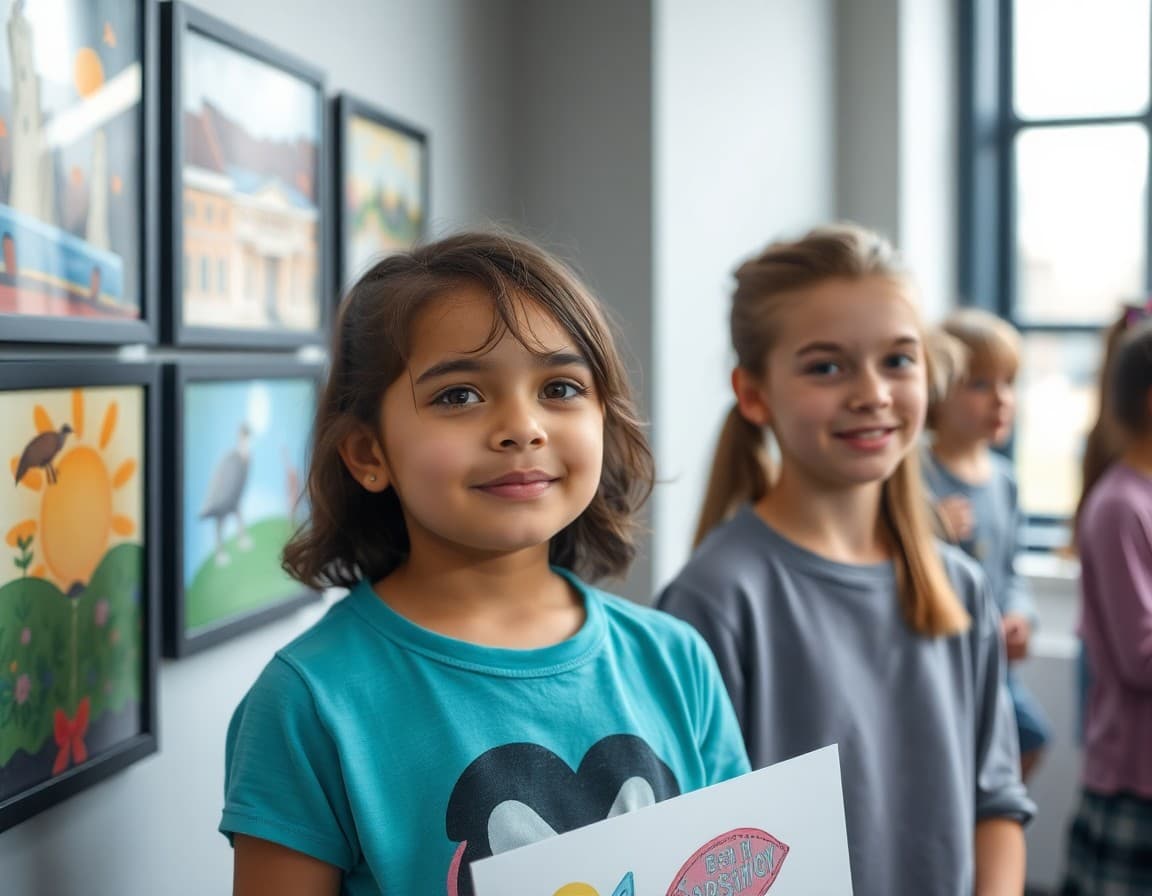
Looking at serious art is part of making serious art, and families who take their child to museums and galleries are supporting their development in a way that studio time alone cannot replicate. Suggest three to four specific institutions or exhibitions worth visiting in your region. If your school organizes field trips to museums, include the dates so families can anticipate them. For families who cannot access museums easily, the Google Arts and Culture platform provides high-resolution access to major collections worldwide and is a legitimate supplement to in-person visits.
When the Student Is Ready to Move Beyond School Programs
Some gifted art students reach a point where the school program can no longer provide sufficient challenge. When that happens, families should know what options exist: Saturday art programs at local art schools and universities, summer residential programs at institutions like Interlochen or RISD, private instruction with a working artist, or concurrent enrollment in community college art courses. The newsletter should name the point at which these outside options become appropriate and describe how the school can support the student's application to those programs.
Get one newsletter idea every week.
Free. For teachers. No spam.
Frequently asked questions
How are students selected for a gifted art program?
Gifted art programs typically select students through portfolio review, teacher recommendation, and sometimes an audition or in-person demonstration of skill. A portfolio review looks at the quality of work, evidence of creative thinking, and technical development across multiple pieces. Teacher recommendation assesses engagement, growth mindset, and ability to take artistic direction. The specific process varies by school and district.
What makes a gifted art program different from a standard art class?
A gifted art program offers more advanced technique instruction, deeper engagement with art history and criticism, portfolio development support, opportunities for exhibition and competition, and instruction paced to the student's actual level of skill. Standard art classes cover broad concepts for all students; gifted programs focus on students who are already demonstrating exceptional visual thinking and creative development.
What competitions are available for gifted visual art students?
Major competitions include the Scholastic Art Awards (grades 7-12), which accepts multiple categories including drawing, painting, photography, and mixed media. The Congressional Art Competition is open to high school students. Many state-level competitions exist through arts education organizations. Several universities also run competitive portfolio programs for high school juniors and seniors exploring visual arts programs.
How should families support a gifted young artist at home?
Families can support gifted artists by providing access to materials, taking the student to museums and galleries, discussing visual art as a serious discipline rather than a hobby, encouraging experimentation and accepting that many art attempts will not succeed, and helping the student build a portfolio documentation habit by photographing finished work consistently.
Can Daystage help art programs communicate with families of talented students?
Gifted art coordinators and advanced art teachers use Daystage to send newsletters about exhibition openings, competition deadlines, portfolio requirements, and studio supply lists to families of advanced art students. The visual-friendly newsletter format also supports image embeds for sharing student work samples.

Adi Ackerman
Author
Adi Ackerman is a former classroom teacher and curriculum writer with 8 years in K-8 schools. She writes about school communication, parent engagement, and what actually works in real classrooms.
More for Gifted & Advanced
Ready to send your first newsletter?
3 newsletters free. No credit card. First one ready in under 5 minutes.
Get started free