
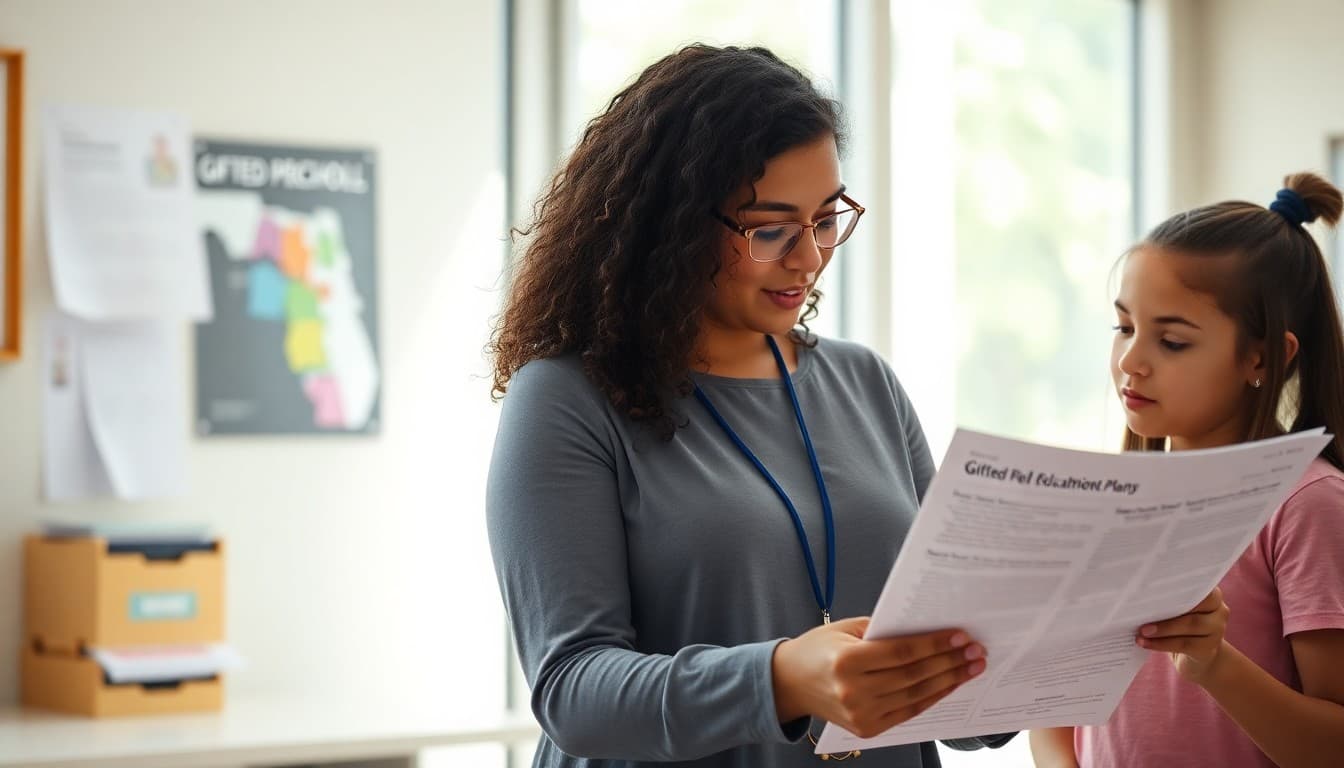
Florida Gifted Program Newsletter Guide for Coordinators
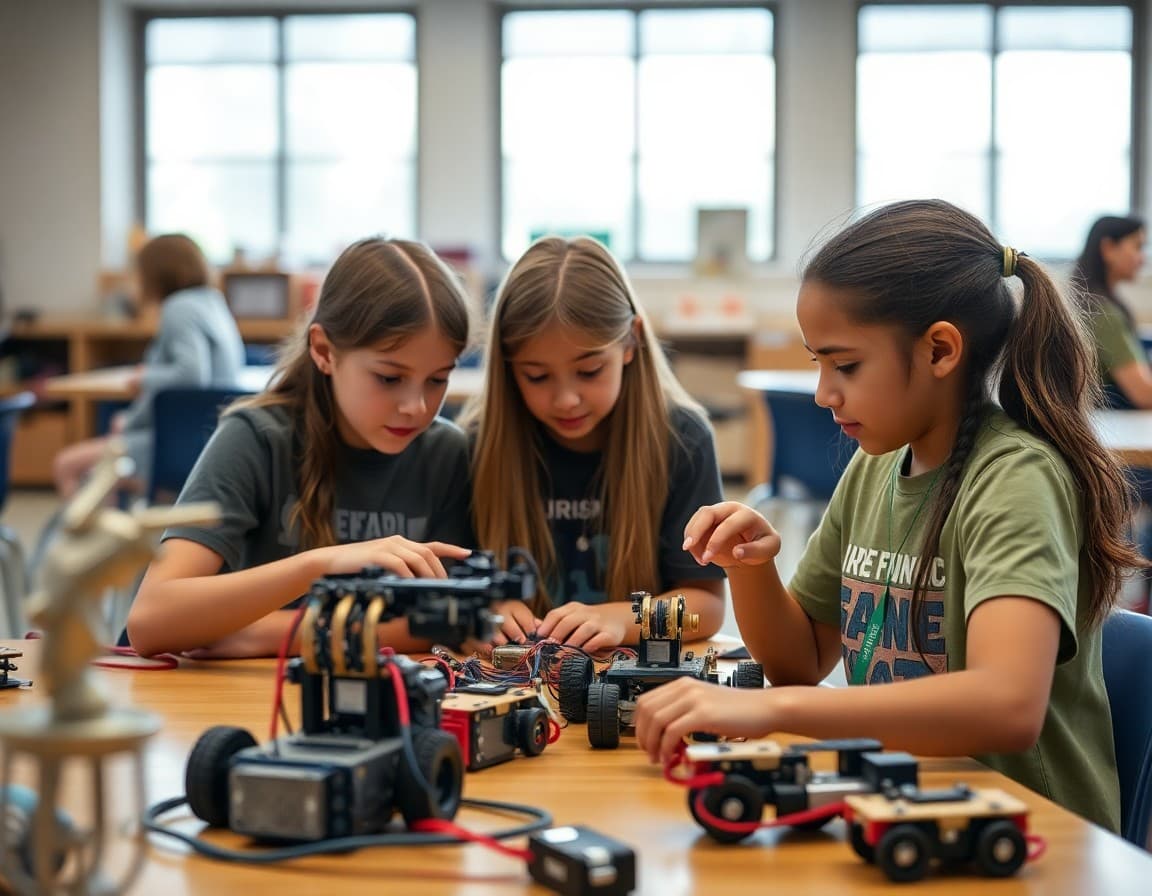
Florida's gifted program operates within the exceptional student education framework, which gives it a more formal structure than gifted programs in most other states. The Educational Plan requirement, combined with procedural safeguards comparable to those in special education, means your families have real rights and real expectations for how the program should work. Meeting those expectations through consistent, transparent newsletter communication is not just good practice. In Florida, it is close to a professional requirement.
Florida's Gifted Students as Exceptional Students
Under Florida law, gifted students are classified as exceptional students, which means they are entitled to an Educational Plan (EP) developed by a team that includes the family. This is a meaningful distinction. Florida gifted families have procedural rights, including the right to participate in EP meetings, receive written notice of placement decisions, and dispute identification or service decisions through the district's exceptional student education process. Your newsletter should explain this framework early in the year so new families understand what they are entitled to.
The Two-Step Identification Process
Florida uses a two-step gifted identification process. The first step is a needs assessment that documents evidence of the student's need for special instruction beyond what the regular classroom provides. The second step is a formal evaluation, which typically includes an intelligence or cognitive ability test along with other measures. Both steps must occur before an identification committee can make an eligibility determination. Walk families through this process in your fall newsletter, including the approximate timeline and what they can expect to be asked to contribute.
Educational Plan Development and Content
The EP is the cornerstone of Florida's gifted program. It documents the student's areas of giftedness, their current levels of performance, annual goals, and the services and accommodations the school will provide. Unlike an IEP, the EP is specifically focused on enrichment and advancement rather than remediation. Your newsletter should explain what the EP meeting involves, how to prepare for it, and what families can do if they believe the plan does not adequately reflect their child's needs. An informed family is an engaged family.
Enrichment Activities and Program Content
Florida gifted programs vary from dedicated pull-out enrichment to full-time gifted center programs to differentiation models within the general classroom. Whatever your model, a monthly description of current enrichment activities, with a photo when possible, keeps families connected to what their child actually does during gifted time. Florida families who are active EP participants often have detailed knowledge of what their child should be receiving, and a newsletter that shows them it is actually happening builds significant trust.
Competition and Enrichment Calendar
Florida Science Olympiad, MATHCOUNTS chapter and state competitions, Florida Academic Decathlon, and Science and Engineering Fair all draw strong gifted student participation. Future Problem Solving has a Florida affiliate with both in-person and online participation options. National History Day state competition is also competitive in Florida. For each event relevant to your students, include grade level eligibility, registration deadline, travel expectations, and any costs. Early notice dramatically increases participation rates.
University and Summer Enrichment Programs
University of Florida's Summer Programs for Students with Outstanding Potential, Florida State University's enrichment programs, and regional summer programs through UCF and Florida universities serve gifted students across the state. National talent search programs including Duke TIP and Johns Hopkins CTY actively recruit Florida students. Include these options in your spring newsletter with application deadlines and scholarship information. Financial assistance is available at most of these programs and should be mentioned explicitly for families who might otherwise assume the programs are out of reach.
A Sample Florida Newsletter Section
Here is a format that works: "EP Meeting Season Begins October 12: If your child was identified as gifted before this school year, you will receive a meeting invitation this month. EP meetings typically take 30 minutes. Come prepared to share what you are observing at home. If you need an interpreter or have questions about the process before we meet, contact me at the email below." Daystage makes sending that kind of specific, procedurally clear communication to your entire family list clean and fast.
Parent Rights Under Florida's ESE Framework
Florida gifted parents have the right to participate in EP development, receive prior written notice of any changes to their child's placement or services, and request an independent educational evaluation if they disagree with the district's assessment. The Florida Department of Education publishes a parent rights document specifically for exceptional students. Include a link to this document in your fall newsletter. Families who know their rights use them more productively, and fewer disputes escalate to formal complaints when communication has been transparent from the start.
Get one newsletter idea every week.
Free. For teachers. No spam.
Frequently asked questions
How does Florida's gifted program differ from other states?
Florida categorizes gifted students as exceptional students under Chapter 1003 of Florida statutes, which means gifted students are entitled to an Educational Plan (EP) similar in structure to an IEP. This is a significant distinction: Florida gifted families have procedural protections and rights comparable to those for students with disabilities. Your newsletter should explain the EP process clearly, since it is one of the more formal gifted frameworks in the country.
What should Florida gifted coordinators include in newsletters?
Core topics include the EP development process and timeline, the two-step identification process required under Florida rules, enrichment activities and programming content, competition opportunities like Science Olympiad and MATHCOUNTS, Florida-specific summer programs through universities and talent programs, and parent rights under Florida's exceptional student education framework.
What is Florida's two-step gifted identification process?
Florida requires a two-step process: first, a needs assessment that documents the student's need for special instruction, and second, a formal evaluation including an IQ or ability test. The identification committee then reviews both components. Your newsletter should explain this process so families understand why a teacher recommendation alone is not sufficient and what the full evaluation involves.
What academic competitions are available to Florida gifted students?
Florida has very active chapters for Science Olympiad, MATHCOUNTS, Academic Decathlon, Future Problem Solving, and Science Fair. The Florida Academic Decathlon and Florida Science Olympiad state competitions are well-organized and competitive. Florida also participates strongly in National History Day state competition. Your newsletter should give registration details and note which competitions your program has historically supported.
What newsletter tool do Florida gifted coordinators use?
Daystage works well for Florida coordinators managing large family lists across multi-site programs. The platform handles EP-season communication spikes, scheduling, and photo inclusion without IT support. Florida gifted programs often have high family engagement, and a consistently professional newsletter signals that the program is run with the same care families see in other parts of exceptional student education.

Adi Ackerman
Author
Adi Ackerman is a former classroom teacher and curriculum writer with 8 years in K-8 schools. She writes about school communication, parent engagement, and what actually works in real classrooms.
More for Gifted & Advanced
Ready to send your first newsletter?
3 newsletters free. No credit card. First one ready in under 5 minutes.
Get started free