
Enrichment Program Newsletter: Communicating Beyond-Grade-Level Learning to Families
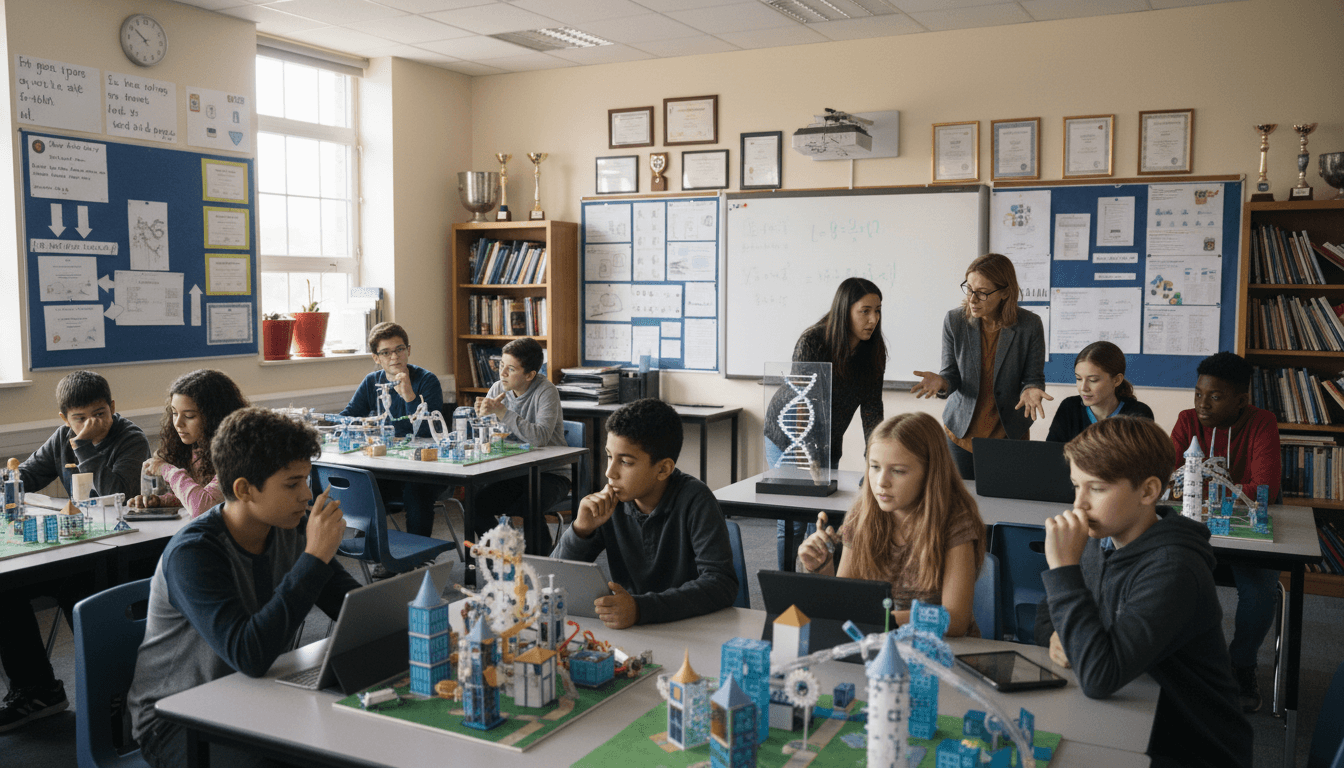
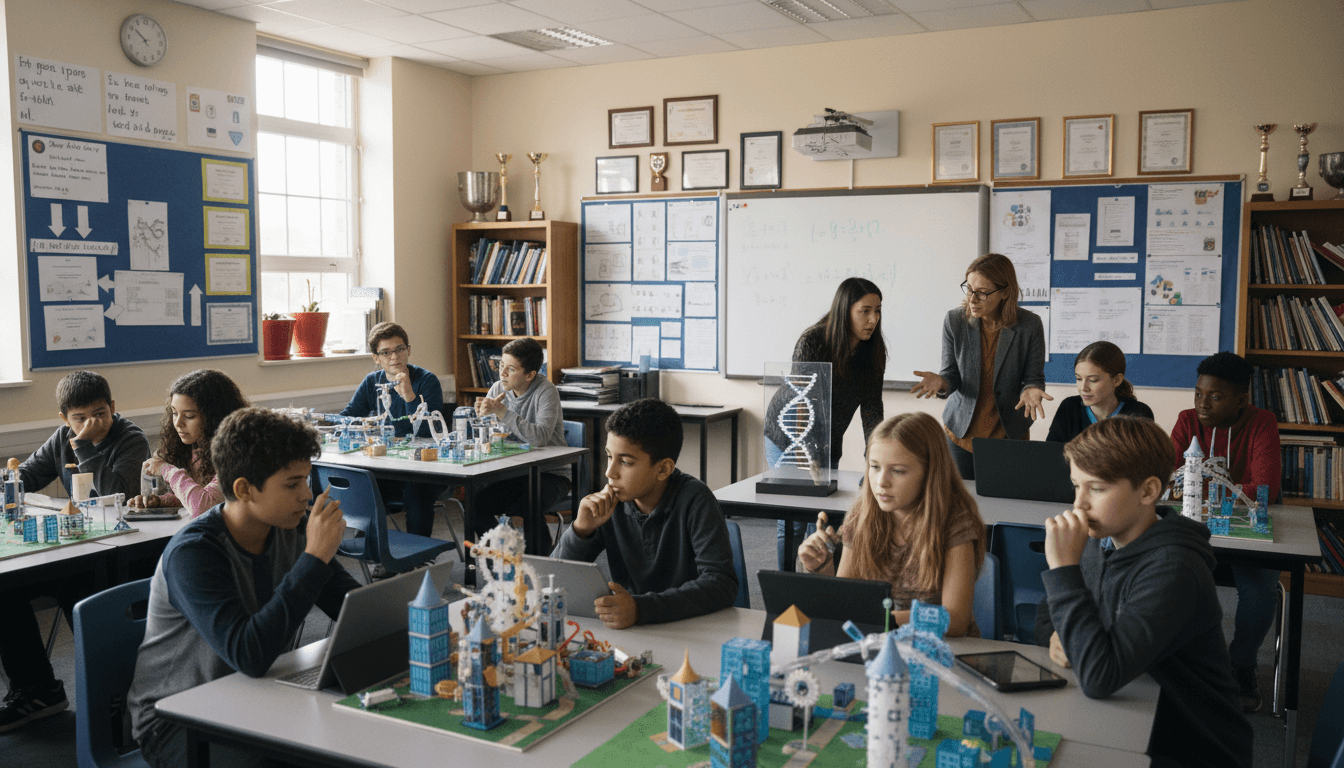
Enrichment programs offer students learning experiences that go beyond what the standard curriculum provides. Communicating what that learning looks like to families, why the challenge level matters, and how families can support it at home is the job of the enrichment newsletter. Done well, it builds family investment in the program and helps students see their enrichment work as a source of pride rather than just extra school.
This guide covers what enrichment newsletters should communicate, how to write about advanced learning accessibly, and how to position the program as part of a child's whole education rather than a separate track.
What makes enrichment newsletters different from regular subject newsletters
Enrichment newsletters serve a program that may not have assigned grades, fixed textbooks, or a traditional curriculum sequence. This makes the communication challenge different from a math or science newsletter. The enrichment newsletter needs to help families understand not just what students are doing but why the design of the program is what it is, and what learning goals are being served by independent research, Socratic seminars, or talent development workshops.
The newsletter is part curriculum communication and part program philosophy communication. Both are important.
What to include in each issue
- What students are exploring: The current unit, project, or talent domain. Describe the work in specific terms that give families a window into the classroom.
- A student thinking spotlight: A brief example of a question a student raised, an observation they made, or a connection they drew between two ideas. This section communicates the intellectual quality of the program without requiring families to take it on faith.
- Upcoming events: Competitions, exhibitions, showcase dates, or application deadlines for additional programs.
- Extend it at home: One suggestion for how families can connect the current topic to home life. Enrichment students are often curious and eager to continue thinking outside of school. A specific conversation starter or a recommended resource gives them an opening.
Writing about enrichment learning without jargon
Enrichment education has its own vocabulary: differentiation, compacting, tiered instruction, above-grade-level curriculum, domain acceleration. Families do not need these terms. They need to know what their child is doing and why it is challenging them appropriately.
Practical translation: instead of 'students are working on curriculum compacting to free time for enrichment activities,' write 'students who have already mastered the regular curriculum spend that time on in-depth exploration of related topics.' That is the same information, written for the parent rather than the practitioner.
Connecting enrichment to long-term learning identity
One of the most powerful things an enrichment newsletter can do is help students and families develop a learning identity around the child's strengths. A student who is regularly told, in a newsletter, that their intellectual curiosity and depth of thinking are being developed and celebrated is more likely to identify as a learner rather than just a student.
Newsletters that celebrate the process of deep learning, not just the products, build this identity over time.
Handling enrollment and eligibility questions
Enrichment programs frequently receive questions from families about how students get in, why some students are included and others are not, and whether there are additional pathways. The newsletter is a good place to briefly explain the enrollment criteria and direct families to the right contact for specific questions.
Get one newsletter idea every week.
Free. For teachers. No spam.
Frequently asked questions
How often should an enrichment program send a newsletter?
Monthly is the right frequency for most enrichment programs. Some programs run in semester blocks, in which case a newsletter at the start of each block plus a monthly update during the block is a workable rhythm. Families of enrichment students tend to be actively engaged and appreciate regular communication more than an annual program update.
What should go in an enrichment program newsletter?
Cover what students are currently exploring and why this challenge level is appropriate for them, any competitions, fairs, or showcases coming up, a spotlight on student work or thinking from the current unit, resources families can use to extend learning at home, and any program changes or upcoming enrollment or application windows.
How do you write about enrichment learning without making it sound elitist or exclusive?
Focus on what students are doing rather than how they differ from peers. 'Students in the enrichment program are working on independent research projects that allow them to go much deeper into a topic of their choice' is descriptive. 'These students are gifted and need more stimulating work than the regular classroom provides' is exclusionary. Write about the work, not the population.
What mistake do enrichment programs make in communication?
Treating the newsletter as a marketing tool for the program rather than a communication to current families. Newsletters that read like recruitment brochures rather than updates about what current students are doing feel hollow to enrolled families and do not serve their actual information needs.
What tool makes enrichment program newsletters easy to produce and send?
Daystage is built for school newsletters and lets enrichment program directors build a clean template and update it monthly without design work. The consistent format across the year also makes it easy for new families to quickly get oriented to the communication.

Adi Ackerman
Author
Adi Ackerman is a former classroom teacher and curriculum writer with 8 years in K-8 schools. She writes about school communication, parent engagement, and what actually works in real classrooms.
More for Gifted & Advanced
Gifted Leadership Development Newsletter: Communicating Leadership Opportunities in the Gifted Program
Gifted & Advanced · 5 min read
Gifted Program End-of-Year Newsletter: Celebrating Advanced Learning and Preparing for Summer
Gifted & Advanced · 5 min read
Gifted Pull-Out Program Newsletter: Communicating the What, When, and Why to Families
Gifted & Advanced · 5 min read
Ready to send your first newsletter?
3 newsletters free. No credit card. First one ready in under 5 minutes.
Get started free