

Alaska Gifted Program Newsletter Guide for Coordinators
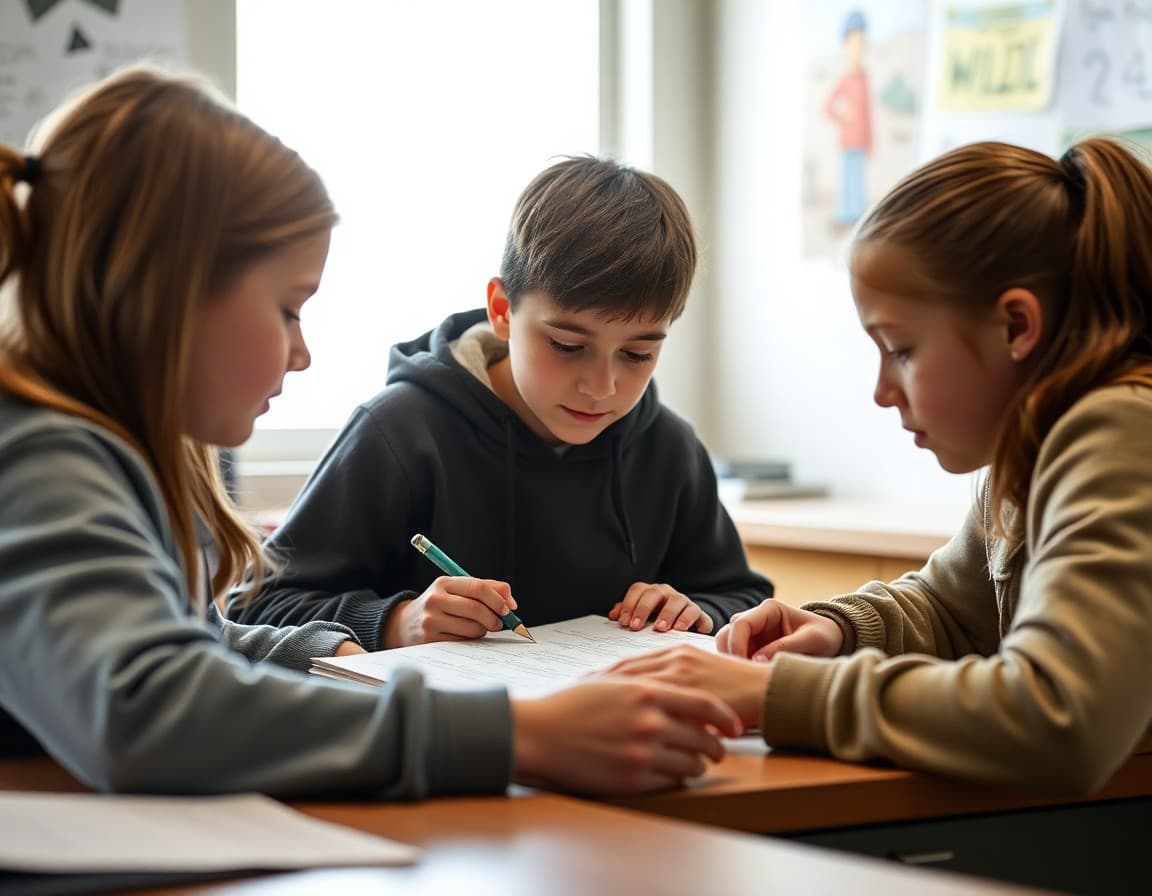
Running a gifted program in Alaska means managing complexity that coordinators in other states rarely face. A gifted student in Anchorage has access to enrichment resources, competitions, and university partnerships that a student in a rural Bush community may not. Your newsletter has to work for both families, which means being honest about what the program looks like in different settings and giving every family the information they need to support their child's learning.
Alaska's Gifted Education Landscape
Alaska does not have a statewide mandate for gifted education in the same way many states do, which means program quality and availability vary substantially by district. Some larger districts in Anchorage and the Matanuska-Susitna Valley have well-developed gifted programs with dedicated staff. Smaller districts often serve gifted students through differentiation in the general classroom, enrichment packets, or itinerant gifted specialist visits. Your newsletter should be honest about what your program offers, because families who understand the scope of services are better equipped to advocate and supplement effectively.
Identification Communication for Alaska Families
Alaska gifted identification typically involves a combination of cognitive ability testing, achievement data, and teacher observation. For remote families, explain the logistics: how testing happens when an evaluator is not on site, what the timeline looks like in your district, and what identification means for service delivery. Families in rural areas sometimes do not pursue gifted referrals because they assume the resulting services will not be available to their child anyway. Addressing that assumption directly in your newsletter matters.
Distance Learning and Remote Enrichment Options
University of Alaska Fairbanks and UAA both offer gifted enrichment options including courses, competitions, and summer programs. The Alaska Native Knowledge Network provides culturally relevant enrichment resources that are particularly valuable for schools serving Indigenous communities. Online competition platforms, virtual science fairs, and distance-based academic programs make it possible for rural gifted students to access challenges that geography would otherwise block. Your newsletter should list these specifically, not just mention that options exist.
Competition Opportunities and Access
Science Olympiad and MATHCOUNTS have Alaska chapters, and state-level competitions do occur. However, travel costs and logistics create real barriers for remote students. In your newsletter, note which competitions are available virtually or regionally, which ones your school has funded travel for in the past, and whether any families have used school district funds or external scholarships to cover competition costs. Families who see a clear path to participation are more likely to encourage their children to compete.
Summer Programs With Residential or Scholarship Options
Summer enrichment programs at UAA and UAF accept Alaska students, and several national residential programs like Johns Hopkins CTY and Northwestern CTD have financial aid available. Alaska's remoteness means that residential programs are often more accessible than local day programs for rural families. Your spring newsletter should list these options with application timelines and any Alaska-specific scholarship information you are aware of.
A Sample Newsletter Excerpt for Alaska Programs
Here is a tone that works: "We know our program looks different depending on where you are in the district. For students at the main campus, pull-out enrichment runs every Tuesday. For families in our satellite sites, we're sending enrichment packets monthly and scheduling video check-ins. Here's what's coming up in each setting." Daystage lets you send that kind of honest, organized update with photos and links in a format families can save and reference throughout the year.
Cultural Responsiveness in Newsletter Language
Alaska's gifted programs increasingly recognize that giftedness expresses itself differently across cultural contexts, and that traditional assessments may underidentify gifted Alaska Native students. If your program uses culturally responsive identification practices or works with community members to nominate students, say so. Families in communities where school and cultural identity have not always been aligned will read that acknowledgment carefully and notice if it is genuine.
Keeping Contact Information Current
High mobility in some Alaska communities means family contact information changes more frequently than in other states. A brief reminder in each newsletter asking families to update their email address, particularly at the start of each school year, protects against missing months of communication. Daystage stores your list and makes updating individual entries straightforward without needing to rebuild your contact list each year.
Get one newsletter idea every week.
Free. For teachers. No spam.
Frequently asked questions
How does gifted education work in Alaska given its geographic challenges?
Alaska's gifted programs face unique challenges due to the state's vast geography and many small, remote schools. Many districts rely on distance learning platforms, itinerant gifted teachers who travel between sites, or enrichment materials sent to remote locations. Your newsletter needs to address this reality directly and explain how your specific program delivers services to students regardless of location.
What should an Alaska gifted program newsletter cover?
Beyond the standard elements like identification updates and enrichment descriptions, Alaska newsletters should address distance learning options, any regional competition opportunities accessible to students in rural areas, summer programs that include residential or scholarship options, and transitions between the often very different educational settings across the state.
Are there Alaska-specific academic competitions for gifted students?
Alaska gifted students participate in Science Olympiad at the regional and national level, MATHCOUNTS, and Future Problem Solving. The Alaska STEM Coalition and university programs at UAA and UAF also provide enrichment pathways. Geography limits in-person competition for many rural students, so online competitions and distance-based enrichment programs deserve extra space in your newsletter.
How do I communicate with families in remote Alaska villages?
Digital newsletters are often more accessible than printed materials in remote Alaska communities. Email delivery through a platform like Daystage reaches families wherever they have connectivity. Being explicit about when and how you send newsletters, and offering a phone call follow-up for families in areas with limited internet, makes communication more equitable across the geographic spread of your district.
What newsletter platform works for Alaska gifted programs?
Daystage works well for Alaska coordinators because it is entirely browser-based, requires no district IT setup, and sends reliably to any email address. For coordinators managing students across multiple sites or large geographic areas, the ability to maintain one master family list and schedule sends in advance is a practical time-saver.

Adi Ackerman
Author
Adi Ackerman is a former classroom teacher and curriculum writer with 8 years in K-8 schools. She writes about school communication, parent engagement, and what actually works in real classrooms.
More for Gifted & Advanced
Gifted Distance Learning Program Newsletter: Communicating Advanced Online Learning to Families
Gifted & Advanced · 5 min read
Gifted Program Parent Newsletter: What Your Child Is Doing
Gifted & Advanced · 6 min read
Gifted Identification Newsletter: How We Find and Serve Students
Gifted & Advanced · 6 min read
Ready to send your first newsletter?
3 newsletters free. No credit card. First one ready in under 5 minutes.
Get started free