
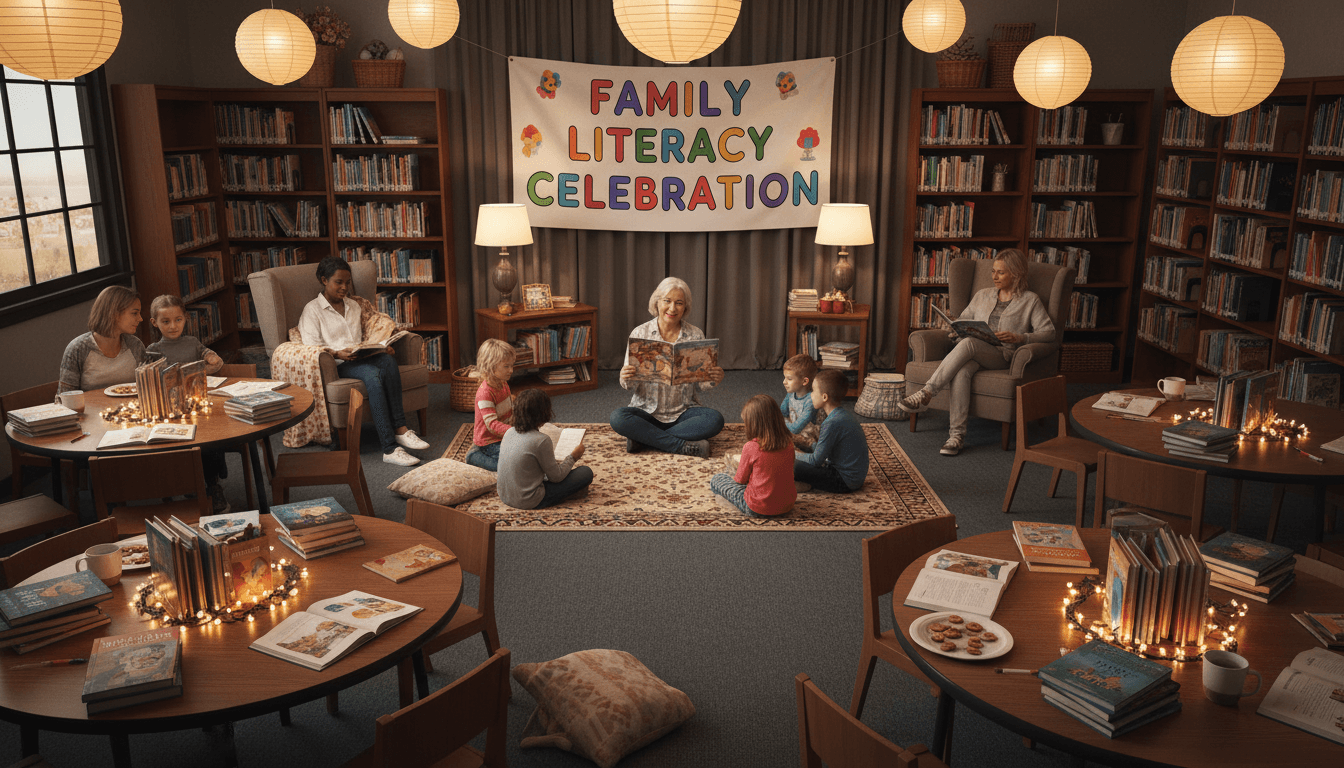
Reading Night Newsletter: Communicating a Family Literacy Event That Actually Gets Attended

Family reading nights have lower attendance than almost any other voluntary school event. The reason is not that families do not care about reading. It is that reading night newsletters rarely give families a specific, compelling reason to show up on a Tuesday evening when they could be home on the couch reading to their child already.
A reading night newsletter that generates real attendance needs to understand what motivates families to leave the house for a school event in the evening. Here is what drives attendance and how to communicate it.
What actually motivates attendance at reading events
Families attend reading nights for three reasons, almost always in this order: their child will be performing or has a specific role, there is something their child will receive (a book, a prize, an experience they cannot get at home), and the event is social and connected to their child's school community.
A newsletter that only says "join us for a night of reading and literacy activities" addresses none of these motivators. A newsletter that says "your child will perform a poem they have been practicing, receive a free book to take home, and join their classmates for a pajama read- aloud with the principal" addresses all three.
If students will perform or present, lead with that
Reading nights that include student performances, poetry readings, book talks, or reader's theater have dramatically higher attendance than events without a student component. If your reading night includes any form of student participation, that is the first thing the newsletter should communicate.
Parents attend things their child is part of. Make it clear from the first paragraph that their child has a role in the evening, not just a seat in the audience.
The core logistics families need
- Date, time, and location: Include where the event takes place within the school (library, gymnasium, multiple rooms) and what the arrival process looks like.
- Schedule: What happens at what time? If there is a structured program, give families the outline. If it is a drop-in format with rotating stations, explain that.
- What to bring: A favorite book from home? Pajamas? Stuffed animals? Reading pillows? If the event has a specific theme (pajama party, favorite character night), include what that means for what students should wear or bring.
- Take-home materials: If students will receive books, reading logs, activity kits, or library bags, mention it in the newsletter. Families who know their child will bring something home are more motivated to attend.
- Sibling policy: Are younger siblings welcome? Is there something for them to do? Families with multiple children need to know this before they can commit to attending.
Prizes and incentives
Reading nights often include incentive components: raffle prizes for families who attend, book giveaways, reading bingo cards with prizes, or completion certificates. If your event has these elements, include them in the newsletter. Not as the primary draw, but as a supporting reason to attend.
The framing matters. "Every student who attends will receive a book to take home" is motivating because it connects directly to the child. "Prizes will be awarded randomly to lucky attendees" creates a lottery feeling that is less compelling than a guaranteed benefit.
The author visit component
Some schools organize reading nights around a visiting author, local librarian, or community reader. If your reading night includes a guest speaker or special reader, feature them in the newsletter. Include who they are, what they will read or present, and why this is a unique experience that students would not get in a typical school day.
An author visit component transforms a reading night from a pleasant school event into a memorable experience. The newsletter should communicate that distinction.
Refreshments
If your reading night includes food or drinks, say so. Families who are trying to decide whether to eat before coming or eat after appreciate knowing whether there will be snacks. If families can bring food, specify that. If there are allergy considerations, note them.
This sounds like a small detail. But the presence or absence of refreshments genuinely factors into attendance decisions for families managing a weeknight dinner-to-school-event transition.
After reading night: extending the momentum
The post-reading-night newsletter should focus on extending the literacy momentum beyond the event. Include: a list of books that were read or featured during the evening, recommendations for what to read next at home, and a few conversation prompts for families and students.
In Daystage, the reading night newsletter can be structured to lead with the student performance announcement, move through the event logistics, and close with the take-home materials preview. That structure maps directly to the reasons families attend: their child is part of it, they know what to expect, and there is something concrete waiting for them at the end of the evening.
Reading nights fail when they sound like every other optional school event
The newsletter is the difference between a reading night that families feel they can skip and one they feel their child would be disappointed to miss. Write the newsletter so that families see their child in it, specifically, from the first sentence.
Get one newsletter idea every week.
Free. For teachers. No spam.
Frequently asked questions
When should schools send a school reading night newsletter?
Send the reading night newsletter two weeks before the event so families can plan attendance and, if students are presenting or performing, so families have time to help with preparation. A three-day reminder reinforces attendance for families who are undecided.
What should a school reading night newsletter include?
Describe what families will do when they arrive, whether students will read aloud or present projects, any prizes or incentives, the activity schedule, and whether an author visit or special guest is included. Include the location within the school building and whether light refreshments will be served.
How far in advance should teachers send reading night communications to parents?
Two weeks is appropriate for reading night. If students are performing or presenting, families need that lead time to help their child prepare. For a simple browsing and activity night without student performances, one week is sufficient.
What are common mistakes in school reading night newsletter communication?
Framing the event as a generic 'literacy evening' without explaining what families will actually do is the most common mistake, and it makes the event sound optional and unexciting. Not mentioning whether students are performing is another problem because that is the primary motivator for many families to attend.
What is the best tool to send a school reading night newsletter?
Daystage makes it easy to schedule the reading night announcement and reminder in advance, so communication goes out on time even during a busy stretch of the school year. The sequencing tools let you add a post-event follow-up newsletter to extend the reading momentum beyond the night itself.

Adi Ackerman
Author
Adi Ackerman is a former classroom teacher and curriculum writer with 8 years in K-8 schools. She writes about school communication, parent engagement, and what actually works in real classrooms.
More for School Events
Pep Rally Newsletter: Building School Spirit Before the Big Event
School Events · 5 min read
School Documentary Screening Newsletter: Turning a Film Into a Community Conversation
School Events · 5 min read
School Retirement and Farewell Ceremony Newsletter: Honoring Dedicated Educators
School Events · 5 min read
Ready to send your first newsletter?
3 newsletters free. No credit card. First one ready in under 5 minutes.
Get started free