
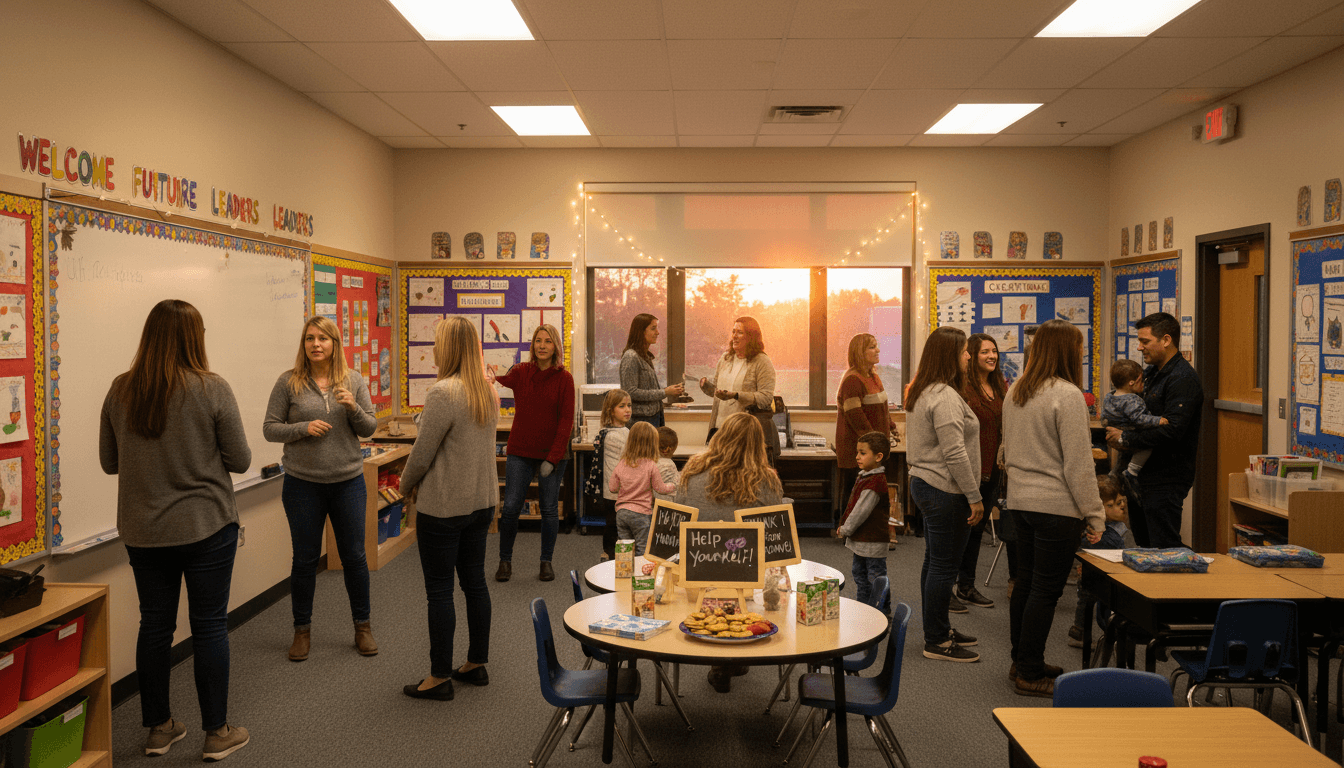
Open House Newsletter: How to Get Maximum Parent Attendance
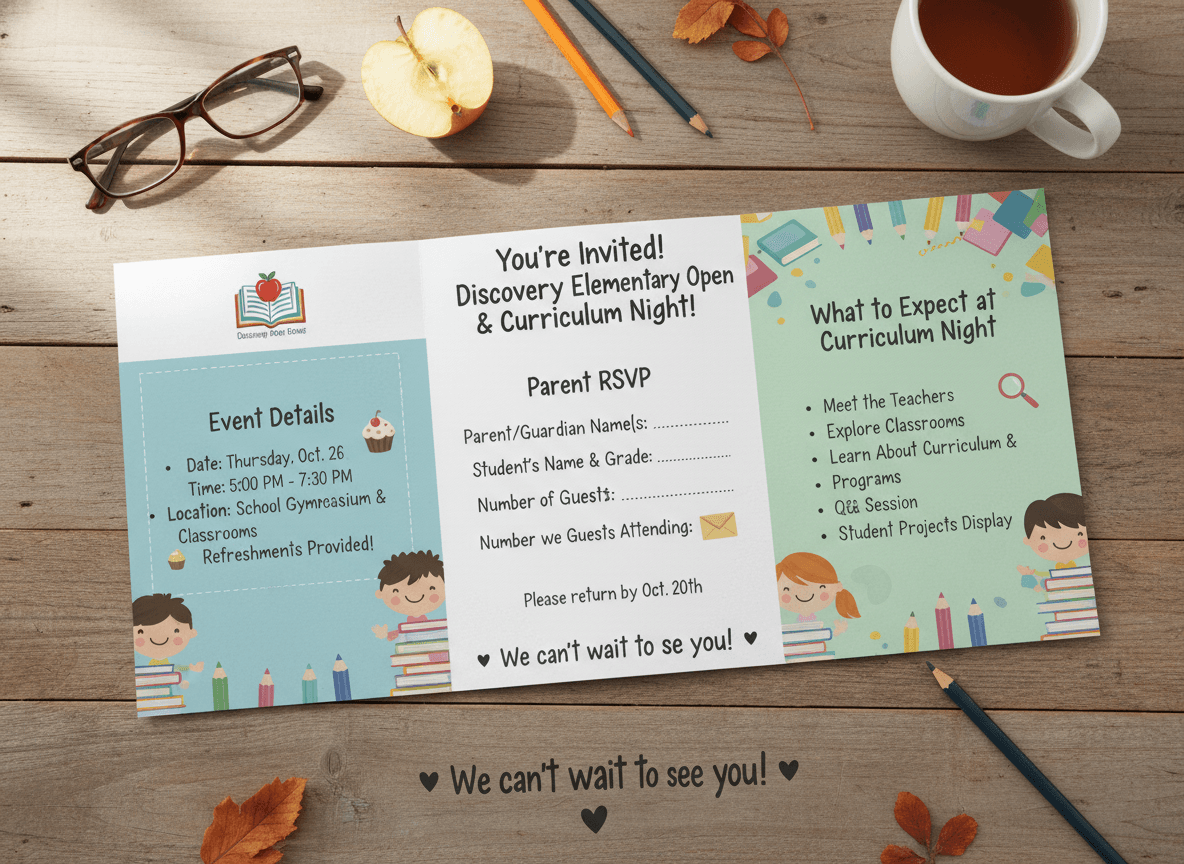
Open house night is one of the most valuable parent engagement opportunities of the school year. It is also one of the most poorly communicated. Most schools send a single flyer home in a folder, wonder why turnout is low, and repeat the cycle the following year.
A well-structured open house newsletter changes that. Not by being longer, but by addressing the specific reasons parents do not show up: uncertainty about what to expect, competing priorities, childcare challenges, and a vague sense that attendance does not matter much. Here is what an open house communication sequence needs to actually move families toward showing up.
Start three weeks out, not one
Most open house newsletters go home one week before the event. That is not enough time for families to arrange childcare, request time off work, or coordinate transportation. Three weeks gives families a realistic planning window. Send a full informational newsletter at three weeks, a shorter reminder at one week, and a brief day-before note with just the date, time, and location.
The three-week newsletter does the heavy lifting. The reminders just keep the event visible. Do not try to cram everything into a single last-minute communication.
What the pre-event newsletter must cover
Families need answers to the questions they will not ask but will use to decide whether to attend. Cover these clearly:
- Format: Is this a structured presentation or a drop-in? How long does it run? What will actually happen during the evening?
- Logistics: Where should families park? Where do they sign in? Is there a specific room or multiple classrooms to visit?
- Childcare: If your school offers childcare on the night of the event, lead with that. It removes the biggest practical barrier for a large portion of your families.
- Who should attend: Parents only, or can students come? Can grandparents or other family members attend?
- What will be covered: A brief agenda preview. Families who know what the evening will address are more motivated to attend than those receiving a generic invitation.
Give families a reason that connects to their child
The most persuasive element of any open house newsletter is a direct statement about why attendance matters for the specific child reading the newsletter at home with their parent. Not generic language about community and partnership. A specific reason.
Something like: families who attend open house night understand the homework expectations, know what the classroom looks like, and have a face-to-face connection with the teacher. That combination makes it easier to support their child throughout the year. That is a concrete, believable reason that connects to something parents already care about.
Address the barriers families will not mention
Work conflicts, transportation limitations, language barriers, and childcare responsibilities keep many families away from open house events even when they want to attend. A newsletter that acknowledges these barriers and offers alternatives demonstrates genuine respect for the real circumstances of the families in your community.
Offer a fallback for families who cannot make it: a phone call, a classroom visit at another time, or a written summary of the key information from the evening. If you plan to record the presentation, say so in the newsletter. Families who know there is a fallback are more likely to use one rather than disengaging entirely.
Day-of communication
On the day of the event, send a short note by mid-morning. Include the time, location, and one sentence on what families will learn. This is not the place for new information. It is a nudge for the families who planned to attend and need a reminder that the evening is today, not tomorrow.
The post-event recap newsletter
The open house communication sequence is not complete when the event ends. Send a recap newsletter within two days. For families who attended, it reinforces what they heard and gives them reference material for the year ahead. For families who could not attend, it delivers the key information so they are not at a disadvantage.
The recap should include: a brief summary of what was covered, any handouts or materials from the evening, how to reach you with follow-up questions, and the next major event families should know about. Keep it short. The goal is a useful reference document, not a full re-run of the presentation.
Building the newsletter in Daystage
An open house newsletter covers more ground than a typical weekly classroom update, so structure matters. In Daystage, you can organize the event logistics, curriculum overview, and follow-up options into clearly separated sections that families can scan quickly on their phone. Your subscriber list is already loaded, your school branding is set, and you can schedule the three-touch sequence in advance so nothing gets missed in a busy pre-event week.
The newsletter is the first impression of the event
Families who arrive at open house night having read a clear, warm, well-organized newsletter are already in a different place than families who showed up to a generic invitation. They know what to expect, they have a reason to be there, and they have already formed a positive first impression of how you communicate. The newsletter does not replace the in-person event. It makes the event better for everyone who walks through the door.
Get one newsletter idea every week.
Free. For teachers. No spam.
Frequently asked questions
When should schools send a school open house newsletter?
Send the first open house newsletter three weeks before the event so families have time to arrange childcare, request time off work, and plan transportation. Follow with a one-week reminder and a brief day-before note covering only the date, time, and location.
What should a school open house newsletter include?
Cover the date, start time, location, and expected duration. Include a schedule of what families will do during the visit, names of teachers they will meet, whether students attend with parents, childcare options for younger siblings, and parking instructions.
How far in advance should teachers send open house communications to parents?
Three weeks is the minimum. Families who need to arrange childcare or take time off work cannot plan around a one-week notice. The three-week newsletter does the persuasive work. The one-week reminder just keeps the event visible for families who have already committed.
What are common mistakes in open house newsletter communication?
Sending a single flyer one week out is the most common mistake, and it consistently produces low turnout. Not explaining what families will actually do during the visit is another frequent problem, because vague invitations do not overcome competing priorities like work, childcare, and evening fatigue.
What is the best tool to send a school open house newsletter?
Daystage is designed for this kind of school event communication sequence. You can draft all three open house newsletters at once, schedule them to go out automatically, and reach families directly without relying on paper folders or a separate email platform.

Adi Ackerman
Author
Adi Ackerman is a former classroom teacher and curriculum writer with 8 years in K-8 schools. She writes about school communication, parent engagement, and what actually works in real classrooms.
More for School Events
Pep Rally Newsletter: Building School Spirit Before the Big Event
School Events · 5 min read
School Documentary Screening Newsletter: Turning a Film Into a Community Conversation
School Events · 5 min read
School Retirement and Farewell Ceremony Newsletter: Honoring Dedicated Educators
School Events · 5 min read
Ready to send your first newsletter?
3 newsletters free. No credit card. First one ready in under 5 minutes.
Get started free