
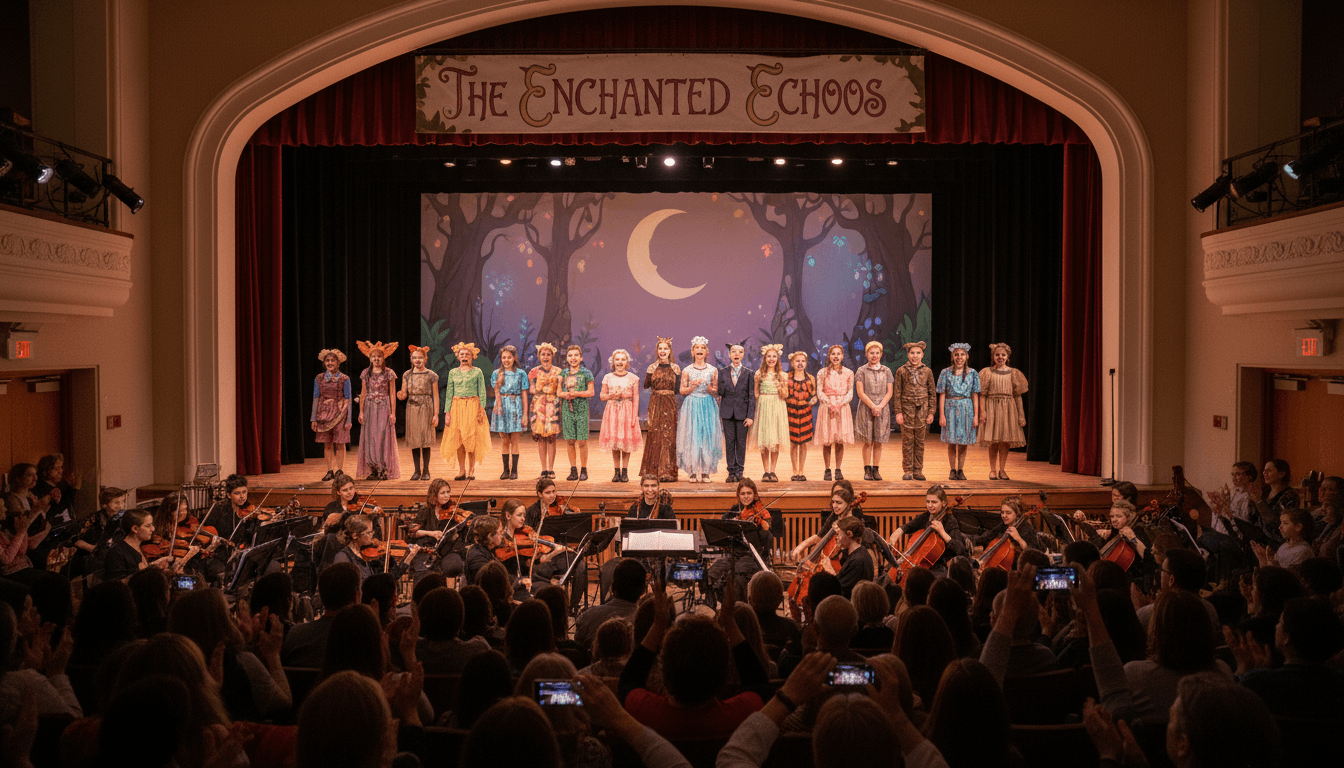
School Musical and Play Newsletter: Before, During, and After the Performance
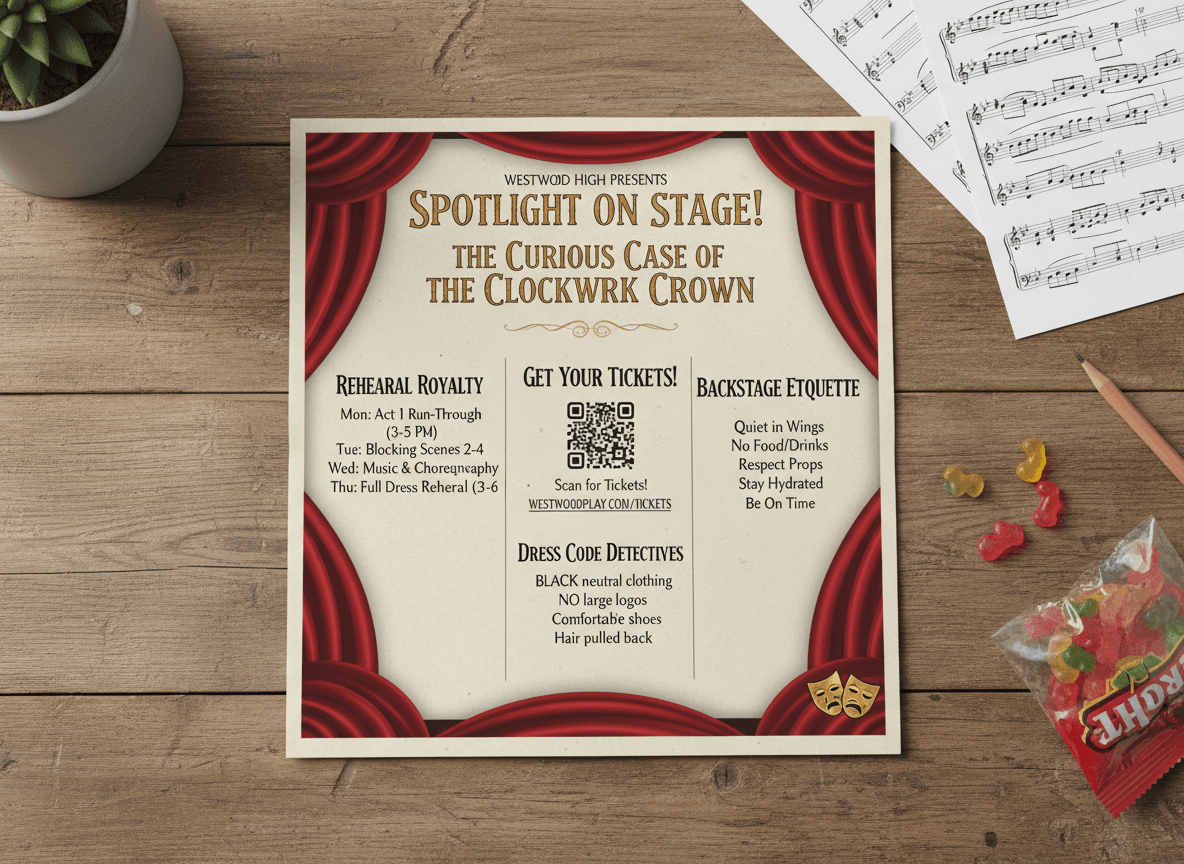
A school musical or play involves weeks of rehearsals, a tech week of its own, multiple performance nights, and two distinct parent audiences: the families of students in the cast and the families of students in the audience. Managing communication across all of that is one of the more complex newsletter challenges in the school year.
The performances themselves usually go well. The backstage and pre-performance communication often does not. Here is what the full school play newsletter sequence needs to cover, and how to keep performer families and audience families correctly informed throughout.
The rehearsal schedule communication
As soon as the cast is set and the rehearsal schedule is finalized, send a dedicated newsletter to performer families. This newsletter does not go to the general school community. It goes specifically to the families whose children are in the production.
Rehearsal newsletter content: the full schedule of all rehearsals from now through the performance, expected duration of each rehearsal, whether students are called for every rehearsal or only when their scene is involved, how to notify the director if a student will miss a rehearsal, and the costume or costume responsibility timeline.
Families with students in the cast are managing an additional time commitment that can span many weeks. The clearer and earlier you communicate the rehearsal schedule, the easier it is for families to plan transportation, childcare, and after-school logistics.
Tech week communication
Tech week is its own logistical event for performer families. Rehearsals are typically longer and may run into the evening. Costume pieces, props, and makeup may be introduced. The schedule is more compressed and more demanding than regular rehearsals.
Send a dedicated tech week newsletter to performer families one week before tech week begins. Include: the full tech week schedule, expected end times for each rehearsal, what students need to bring each day (costume pieces, specific shoes, makeup if applicable), and who to contact if there are last-minute changes to the schedule.
Ticket information for audience families
Two weeks before the first performance, send a newsletter to the full school community about the show. This is the audience newsletter, and it should build excitement while delivering the practical information families need to attend.
Audience newsletter content: performance dates and times, ticket cost and how to purchase, whether tickets can be bought at the door or must be purchased in advance, seating policy (general admission or assigned), whether there is a wait list if shows sell out, and any accessibility information (reserved seating, hearing loops, open captioning).
What performer families need on the night of the show
Performer families need specific information about the performance night that is different from what the audience needs. Send a dedicated performance-night briefing to cast families two days before the first show.
Content: when performers should arrive and where to check in, the policy on backstage access for parents (before the show, after, or not at all), whether cast members are released to their families immediately after the curtain call or whether there is a post-show meeting, and what families should do with flowers or gifts (can they be delivered backstage? is there a lobby collection point?).
Backstage rules in the newsletter
Backstage access rules generate more parent conflict at school performances than almost any other logistical issue. Parents who want to see their child before the show, wish them luck backstage, or deliver flowers mid-performance create real disruption when those expectations have not been communicated in advance.
State the backstage rules clearly and without apology: backstage access before the show is for cast and crew only. Family members can meet performers in the lobby after the performance. This is not a punitive policy. It is how professional theater works, and most parents accept it immediately when it is explained in that framing.
Closing night appreciation
After the final performance, send a closing newsletter to the full school community. Congratulate the cast and crew. Thank directors, music directors, choreographers, costume volunteers, set builders, and anyone else who contributed to the production. Share the number of performances, the number of cast members, and any highlights from the run.
If photos are available and photo releases permit sharing, include a couple from the show. This newsletter is brief and celebratory. Its job is to honor the work that went into the production and close out the communication arc in a way that makes everyone who was involved feel recognized.
Managing the full sequence in Daystage
School musical communication works best when performer-family newsletters and audience-family newsletters are managed as separate subscriber segments. Daystage lets you maintain those segments within the same platform so the rehearsal schedule email goes only to cast families and the ticket sale announcement goes to the full school. The entire sequence from casting through closing night lives in one place and can be drafted and scheduled before rehearsals begin.
The show runs for two nights. The communication runs for months.
A school musical or play is a months-long project. The newsletter sequence that supports it should match that timeline. Families of performers who feel well-informed throughout the rehearsal process show up on performance nights without anxiety. Audience families who received clear ticket and logistics information fill the seats. Both groups celebrate the same show. Clear communication is what makes that possible.
Get one newsletter idea every week.
Free. For teachers. No spam.
Frequently asked questions
When should schools send a school play newsletter?
The communication for a school musical or play spans months. Send the initial rehearsal schedule newsletter when casting is confirmed, a tech week newsletter two weeks before opening night, and ticket information for audience families four weeks before the show.
What should a school play newsletter include?
For performer families, include the full rehearsal schedule, costume requirements and deadlines, tech week dates and extended hours, and backstage rules for opening night. For audience families, cover ticket availability and purchase instructions, show dates and times, arrival recommendations, and the recording policy.
How far in advance should schools send school play communications to families?
Audience families need ticket information at least four weeks before the show, especially if tickets sell out. Performer families need the full rehearsal schedule the week roles are assigned so they can plan around conflicts from the start rather than discovering schedule problems close to opening night.
What are common mistakes in school play newsletter communication?
Sending costume requirements with only one week of lead time is a common problem that stresses performer families unnecessarily. Another mistake is sending identical communications to performer families and audience families, when the two groups need completely different information.
What is the best tool to send a school play newsletter?
Daystage lets you manage separate communication tracks for performer families and audience families throughout a multi-week production cycle. The scheduling feature keeps the sequence on track without requiring you to draft each newsletter mid-rehearsal season.

Adi Ackerman
Author
Adi Ackerman is a former classroom teacher and curriculum writer with 8 years in K-8 schools. She writes about school communication, parent engagement, and what actually works in real classrooms.
More for School Events
New Family Orientation Newsletter: A Guide for Schools Welcoming Incoming Families
School Events · 6 min read
School Dance Newsletter: What to Communicate Before the Big Night
School Events · 6 min read
School Picture Day Newsletter: The Communication Checklist That Eliminates Confusion
School Events · 7 min read
Ready to send your first newsletter?
3 newsletters free. No credit card. First one ready in under 5 minutes.
Get started free