

School Game Night Newsletter: Planning and Promoting a Family Event That Works
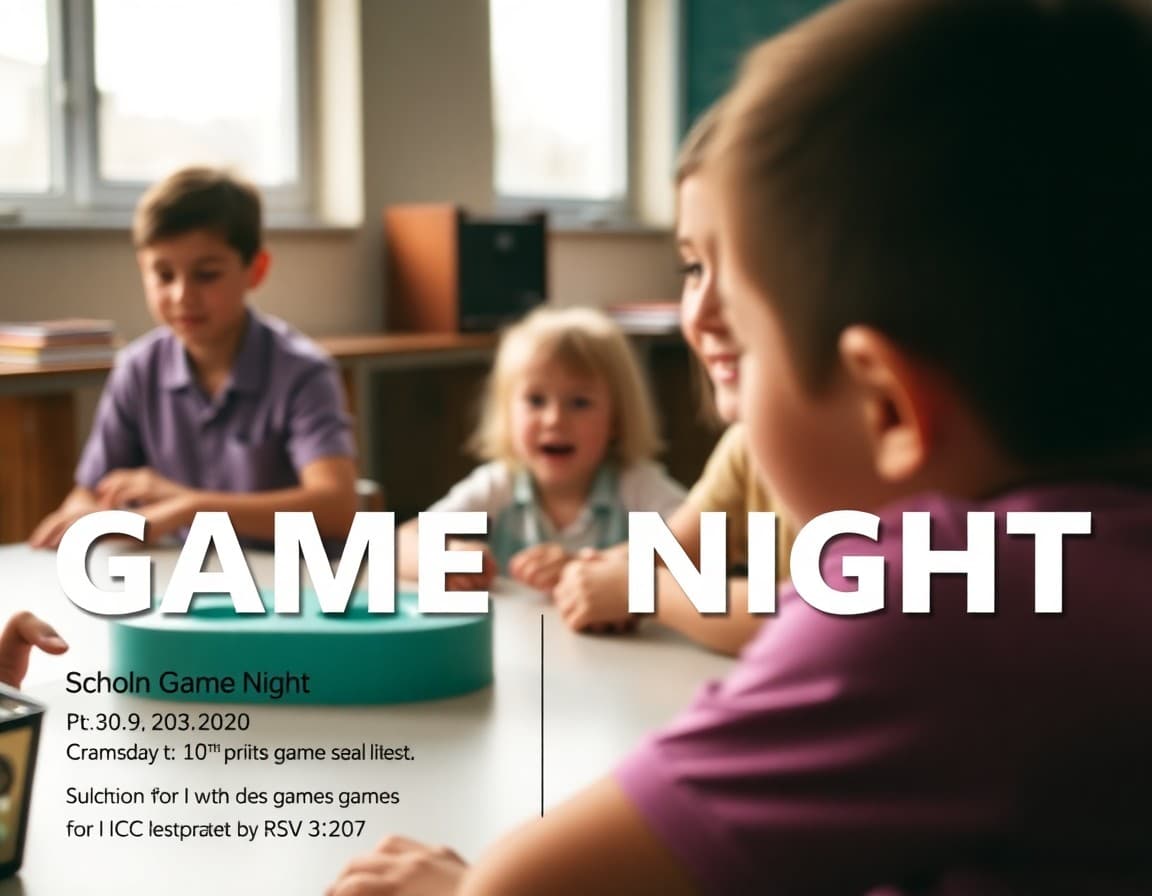
School game nights are one of the most reliable family engagement events in the school calendar. They are low-stakes, genuinely fun, multigenerational, and they create the kind of informal community connections that make a school feel like a genuine community rather than just a building where kids spend the day. Getting families there requires a newsletter that communicates the fun clearly and makes the RSVP process frictionless.
Lead with the Fun
The first sentence of a game night newsletter should make families want to come. Not "Please join us for our annual game night event" but something like: "Trivia, giant Jenga, card games, and prizes, plus snacks and a room full of your neighbors. Come for the games, stay for the community." One sentence that creates a picture of what the evening will actually feel like is worth more than a full paragraph of event information.
The Essential Logistics
After the hook, give families every logistical detail they need: the date, the time (including when it ends, not just when it starts), the location in the building, the cost (free or otherwise), whether to bring anything, parking information if relevant, and whether younger siblings are welcome. The questions families have before deciding to come are almost always logistical. Answer them before they have to ask.
What Games Will Be There
Families decide whether to come partly based on what the evening will look and feel like. A brief list of the types of games available, including something for every age group from young children to competitive adults, helps families picture themselves enjoying the evening. If the school is borrowing games from a local library or asking families to bring favorites, say so. It is also worth noting if there will be a specific tournament, a trivia round, or a team competition that adds structure to the evening.
RSVP and Why It Matters
Include a clear RSVP process, even for a free event. RSVPs help organizers plan for the right amount of seating, snacks, and materials. Make it as easy as possible: a single button click in the newsletter, a short form, or a text reply. Daystage supports RSVP collection directly within the newsletter so families can confirm in one tap without navigating to a separate website. A small action like this dramatically increases follow-through.
Reminders Drive Turnout
A single announcement three weeks out will not produce strong attendance. A three-touch approach works much better: an announcement three weeks out, a reminder one week before with "space is filling up" or a count of families who have already RSVP'd, and a final "see you tomorrow" reminder the evening before. The reminder the night before is consistently the highest-impact message for event attendance because it reaches families when the event is immediately actionable.
Make It All-Ages
Game nights succeed as community events when every family member can participate, including grandparents, young children, and teens who might otherwise think they are too cool for a school event. Explicitly mentioning that the evening is designed for all ages, with games for every level, removes the uncertainty families have about whether they and their specific children and relatives will actually enjoy it.
Follow-Up After the Event
After a successful game night, a brief follow-up newsletter mentioning the number of families who attended, one fun moment from the evening, and a save-the-date for the next event reinforces the community building the evening created. Families who enjoyed the event are primed to come again and to tell their neighbors about it. A short follow-up captures that momentum before it fades.
Get one newsletter idea every week.
Free. For teachers. No spam.
Frequently asked questions
What should a school game night newsletter include?
Date, time, location, what kinds of games will be available, cost (if any), RSVP information, what families should bring, and a brief pitch for why this is worth coming to. Add a photo from a previous event if you have one.
How far in advance should you send a game night newsletter?
Three weeks is ideal: far enough that families can plan around it, close enough that they remember it. A reminder one week before significantly increases turnout, and a final reminder two days before catches people who meant to come and forgot.
How do you get strong turnout for a school game night?
Make the RSVP frictionless (one click or a simple form), send multiple reminders through different channels, involve student leaders in the promotion, and make the event feel genuinely fun rather than like a school obligation. People come to things they expect to enjoy.
What games work best for a school game night?
A mix of quick games (Uno, Spot It, Jenga) and longer strategy games (Ticket to Ride, Settlers of Catan), plus classics (chess, checkers, Connect Four) for all ages. Include some non-competitive games for families who are less game-oriented.
What tool works best for school game night newsletters?
Daystage is ideal for event newsletters because it includes built-in RSVP collection. Families can confirm attendance directly from the newsletter, and the organizer can track RSVPs in real time without managing a separate form.

Adi Ackerman
Author
Adi Ackerman is a former classroom teacher and curriculum writer with 8 years in K-8 schools. She writes about school communication, parent engagement, and what actually works in real classrooms.
More for School Events
Ready to send your first newsletter?
3 newsletters free. No credit card. First one ready in under 5 minutes.
Get started free